
Globular Springtails
Order Entomobryomorpha
The Globular Springtails (Order Entomobryomorpha) includes 130 species across 5 families and 50 genera in our directory.
About Globular Springtails
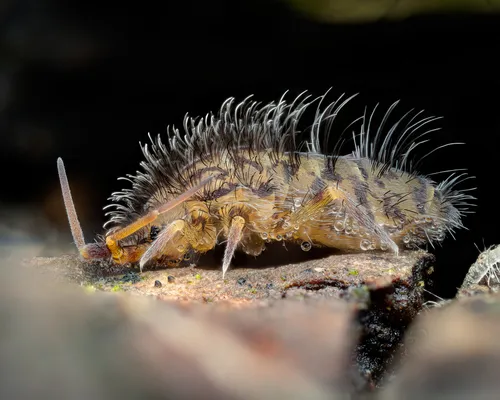
Entomobryomorpha is a major order of springtails (Collembola) with ~4,000 described species. Springtails are among the most abundant land arthropods - a single square meter of soil can contain 100,000 individuals.
Economic Impact
Springtails are mostly beneficial, playing essential roles in soil health and decomposition. Some species are minor pests in greenhouses and mushroom farms. They are increasingly used as bioindicators for soil contamination and pesticide impacts.
Ecological Role
Springtails are critical to soil food webs - they break down decaying organic matter, disperse fungal spores, and regulate soil microbial communities. They can jump up to 100× their body length using a fork-like structure (furcula) held under tension.
Families in Entomobryomorpha (5)
Species in Entomobryomorpha (130)
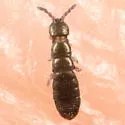
Anurophorus near-septentrionalis
Anurophorus near-septentrionalis
Identification: See comment by Frans Janssens here .
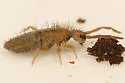
Cotton Springtail
Entomobrya unostrigata
Identification: Note the typical fine middorsal line and the thick transversal band in the middle of its trunk.
Entomobrya arula
Entomobrya arula
"A unique littoral species of Entomobrya . So far only 3 specimens have been recorded from beach gravel in Corona del Mar, Orange Co, CA." ―Frans Janssens
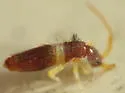
Entomobrya bicolor
Entomobrya bicolor
Identification: Note the uniform waxy yellowish-brownish colour on body except for a pale band on the first 2 (sometimes also on the last 2) abdominal segments. ( comment by Frans Janssens)
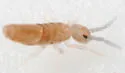
Entomobrya griseoolivata
Entomobrya griseoolivata
Identification: from by Frans Janssens' comment: dark posterior segment margins • white scale-like patches at the anterior edge of the 4th abdominal segment (the longest one) • V-mark on the head just behind and in between the eye patches
Entomobrya katzi
Entomobrya katzi
Identification: "...typically pigmented with a W-shape at the anterior part of the 4th abdominal segment (in front of the the 2 parallel lines). In some specimens the inner part of the W-shape (the inverted V) is more faint. This is common in juvenil
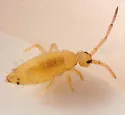
Entomobrya nicoleti
Entomobrya nicoleti
Identification: Typical pattern = 2 bilateral spots at posterior part of 4th abdominal segment. This form has never been recorded from the USA. Therefore the cf. (=confer, 'like') in the name. US taxonomists consider such specimens as light colour fo
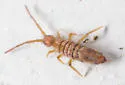
Entomobrya nivalis
Entomobrya nivalis
Identification: "Note the characteristic dorsal U-shaped marking on the posterior part of the abdomen." ( comment by Frans Janssens) "...nice illustration of the complications of identification based on macrophotographs. The typical U-shaped pigment
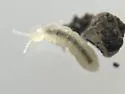
Folsomia candida
Folsomia candida
"...a common and widespread arthropod that occurs in soils throughout the world. The species is parthenogenetic and is easy to maintain in the laboratory on a diet of granulated dry yeast. F. candida has been used as a "standard" test organism for mo
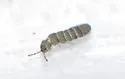
Folsomia prima
Folsomia prima
Identification: "...has a very characteristic white and black banding: each segment has an anterior white band and posterior black band at the segment margins." ―Frans Janssens
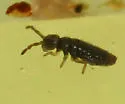
Hydroisotoma schaefferi
Hydroisotoma schaefferi
sexually dimorphic (quite rare in entomobryomorph Collembola): thickening of the outer side of the 2nd antennal segments is typical of males ( Wray 1978 ) • adapted to life on water surface: head hypognathous (mouth directed to watersurface, typical
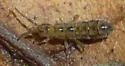
Isotoma delta
Isotoma delta
Identification: triangular pigmented patch middorsally on every segment, hence 'delta' [ comment by Frans Janssens]
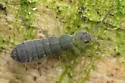
Isotoma viridis
Isotoma viridis
Identification: variable in colour; the most common colour = greenish, hence its name; yellowish, brownish, reddish, even blackish forms exist; juveniles usually lighter than adults and most winter populations are darker than summer ones (Frans Janss
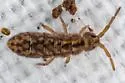
Isotomurus palustris
Isotomurus palustris
Identification: Similar to I. tricolor . per Frans Janssens, in I. palustris , in addition to the median stripe, two lateral stripes present (but only in well-pigmented adult specimens and only partly distinct as stripes: only on the abdominal segmen
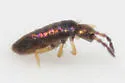
Lepidocyrtus cyaneus
Lepidocyrtus cyaneus
Identification: covered with scales as in Tomoceridae, but note the short antennae; 3rd antennal segment is a bit shorter than the second. --F. Janssens comments
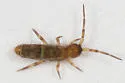
Orchesella cincta
Orchesella cincta
Identification: white band on body and basal part of antennae. The easiest character to distinguish celsa from cincta is the thin black middorsal line running from the metathoracic segment to the 3rd abdominal segment (present in celsa , absent in ci
Orchesella villosa
Orchesella villosa
Identification: note the two typically subsequent pigment 'bows' on abdominal segments 2 & 3 One of the larger collembolans in the US
Willowsia nigromaculata
Willowsia nigromaculata
Identification: "Note the metallic iridescent body, indicating the presence of translucent scales. Scales + Entomobrya lookalike body form point to Willowsia . Given the black dorsal pigmentation on the abdomen (the markings clustered bilaterally in
Agrenia bidenticulata
Agrenia bidenticulata
Agrenia parkeri
Agrenia parkeri
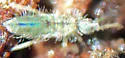
Americabrya arida
Americabrya arida
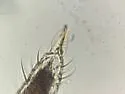
Ballistura schoetti
Ballistura schoetti
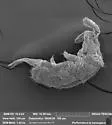
Ballistura tuberculata
Ballistura tuberculata
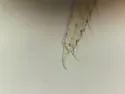
Cheirotoma spatulata
Cheirotoma spatulata
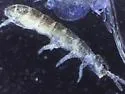
Cryptopygus benhami
Cryptopygus benhami
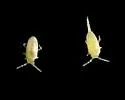
Cyphoderus similis
Cyphoderus similis
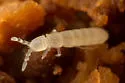
Dagamaea tenuis
Dagamaea tenuis
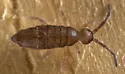
Damp Grain Springtail
Willowsia buski
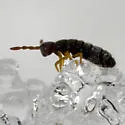
Desoria canadensis
Desoria canadensis
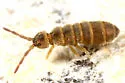
Desoria gelida
Desoria gelida
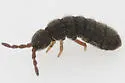
Desoria hiemalis
Desoria hiemalis
Desoria hoodensis
Desoria hoodensis
Desoria tigrina
Desoria tigrina
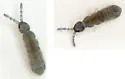
Desoria trispinata
Desoria trispinata
Drepanura californica
Drepanura californica
Entomobrya assuta
Entomobrya assuta
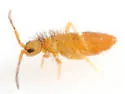
Entomobrya atrocincta
Entomobrya atrocincta
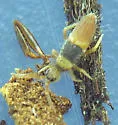
Entomobrya clitellaria
Entomobrya clitellaria
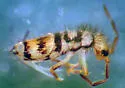
Entomobrya comparata
Entomobrya comparata
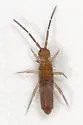
Entomobrya confusa
Entomobrya confusa
Entomobrya decemfasciata
Entomobrya decemfasciata
Entomobrya lanuginosa
Entomobrya lanuginosa
Entomobrya ligata
Entomobrya ligata
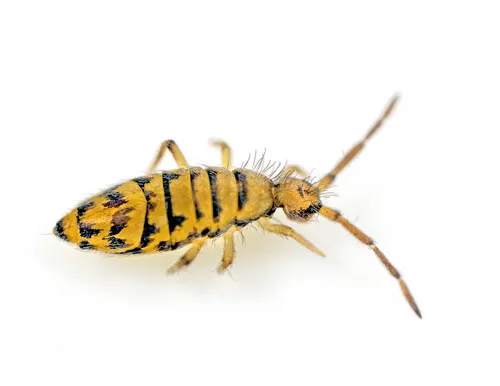
Entomobrya multifasciata
Entomobrya multifasciata
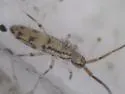
Entomobrya quadrilineata
Entomobrya quadrilineata
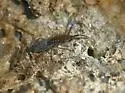
Entomobrya sinelloides
Entomobrya sinelloides
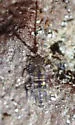
Entomobrya suzannae
Entomobrya suzannae
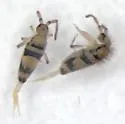
Entomobrya triangularis
Entomobrya triangularis
Entomobrya washingtonia
Entomobrya washingtonia
Entomobrya zona
Entomobrya zona
Entomobryoides dissimilis
Entomobryoides dissimilis
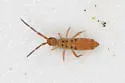
Entomobryoides mineola
Entomobryoides mineola
Entomobryoides purpurascens
Entomobryoides purpurascens
Folsomia regularis
Folsomia regularis
Folsomia stella
Folsomia stella
Folsomides parvulus
Folsomides parvulus
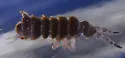
Guthriella muskegis
Guthriella muskegis
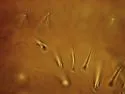
Hemisotoma aquae
Hemisotoma aquae
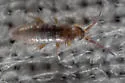
Heteromurus major
Heteromurus major
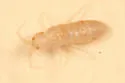
Heteromurus nitidus
Heteromurus nitidus
Homidia sauteri
Homidia sauteri
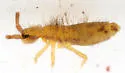
Homidia socia
Homidia socia
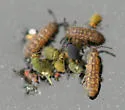
Isotoma arctica
Isotoma arctica
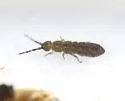
Isotoma riparia
Isotoma riparia
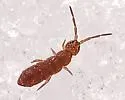
Isotoma subviridis
Isotoma subviridis
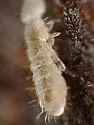
Isotomiella minor
Isotomiella minor
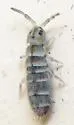
Isotomurus bimus
Isotomurus bimus
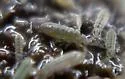
Isotomurus retardatus
Isotomurus retardatus
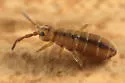
Isotomurus tricolor
Isotomurus tricolor
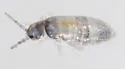
Lepidocyrtus cinereus
Lepidocyrtus cinereus
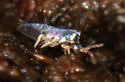
Lepidocyrtus curvicollis
Lepidocyrtus curvicollis
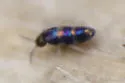
Lepidocyrtus fimicolus
Lepidocyrtus fimicolus
Lepidocyrtus finus
Lepidocyrtus finus
Lepidocyrtus floridensis
Lepidocyrtus floridensis
Lepidocyrtus helenae
Lepidocyrtus helenae
Lepidocyrtus neofasciatus
Lepidocyrtus neofasciatus
Lepidocyrtus paradoxus
Lepidocyrtus paradoxus
Lepidocyrtus prope-fimicolus
Lepidocyrtus prope-fimicolus
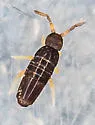
Lepidocyrtus violaceus
Lepidocyrtus violaceus
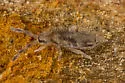
Mesentotoma near-dollfusi
Mesentotoma near-dollfusi
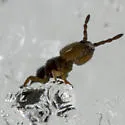
Metisotoma grandiceps
Metisotoma grandiceps
Micrisotoma achromata 0
Micrisotoma achromata
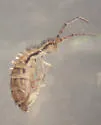
Orchesella ainsliei
Orchesella ainsliei
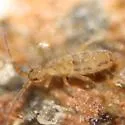
Orchesella alpa
Orchesella alpa
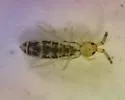
Orchesella bulba
Orchesella bulba
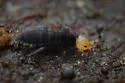
Orchesella carneiceps
Orchesella carneiceps
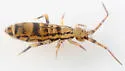
Orchesella celsa
Orchesella celsa
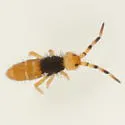
Orchesella flora
Orchesella flora
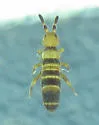
Orchesella hexfasciata
Orchesella hexfasciata
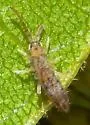
Orchesella texensis
Orchesella texensis
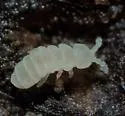
Paranurophorus simplex
Paranurophorus simplex
Parisotoma notabilis
Parisotoma notabilis
Plutomurus wilkeyi
Plutomurus wilkeyi
Pogonognathellus bidentatus
Pogonognathellus bidentatus
Pogonognathellus dubius
Pogonognathellus dubius
Identification: antennae about as long as the body
Pogonognathellus elongatus
Pogonognathellus elongatus
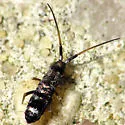
Pogonognathellus mystax
Pogonognathellus mystax
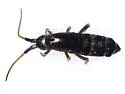
Pogonognathellus nigritus
Pogonognathellus nigritus
Proisotoma minuta
Proisotoma minuta
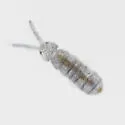
Pseudisotoma sensibilis
Pseudisotoma sensibilis