
THE INSECTLIBRARY FIELD GUIDES
EarwigIdentification, facts & practical guidance
Earwigs are insects in Dermaptera, easily recognized by the pair of forceps at the end of the abdomen.
Compiled by the InsectLibrary Team · Updated · Editorial policy
Identification and lookalikes
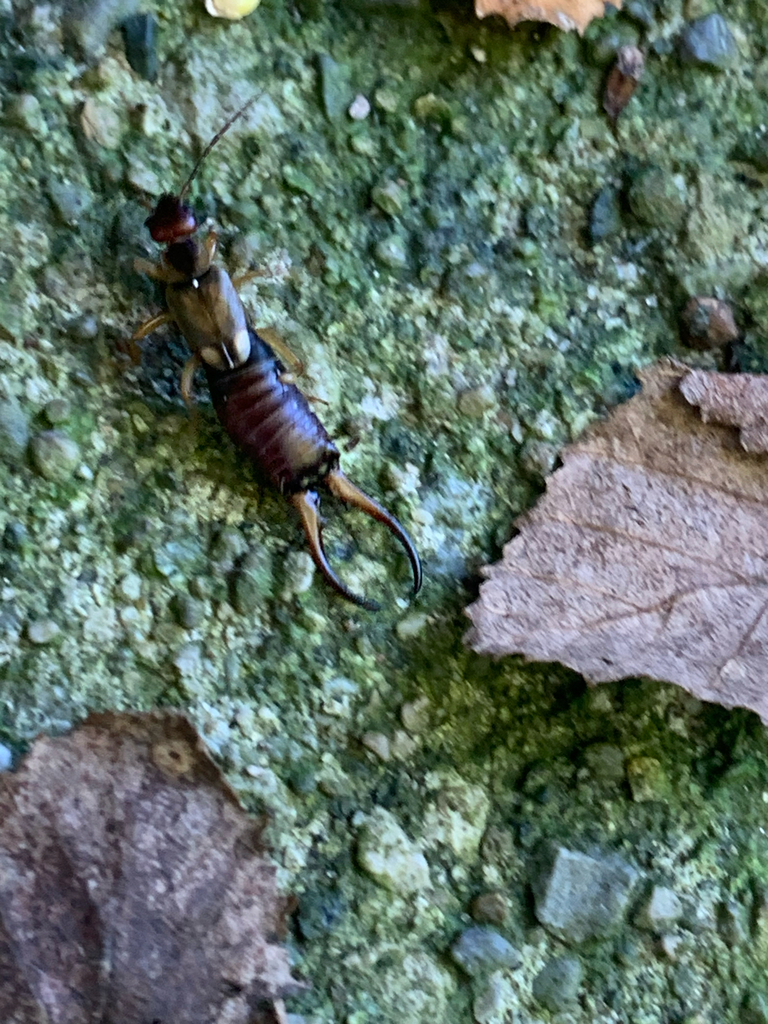
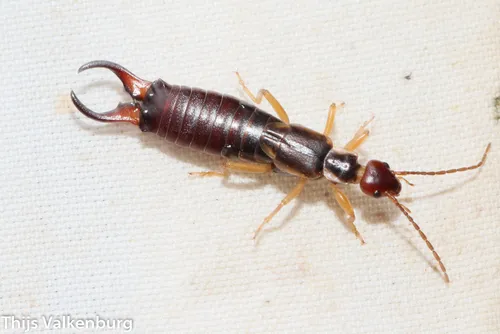
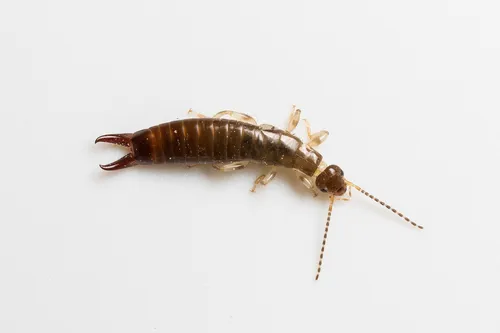
The forceps vary with species, sex and age. Young earwigs resemble smaller adults but lack mature wings. The rear forceps distinguish them from many rove beetles with exposed abdominal segments.
Helpful predator or plant pest?
Earwigs can eat small insects and also damage tender plants or soft fruit. They shelter in cool, moist places during the day. Their presence alone does not establish the cause of leaf damage.
What to do next
Check damaged plants at night and reduce excessive hiding places near vulnerable seedlings. Indoors, remove occasional visitors and address entry gaps or moisture. Routine indoor pesticide use does not prevent new arrivals.
Earwig: species profiles
Explore 34 species profiles covered by this guide, with recorded names and available photos.
European Earwig
Forficula auricularia
no rights reservedForficula dentata
Forficula dentata
Ring-legged Earwig
Euborellia annulipes
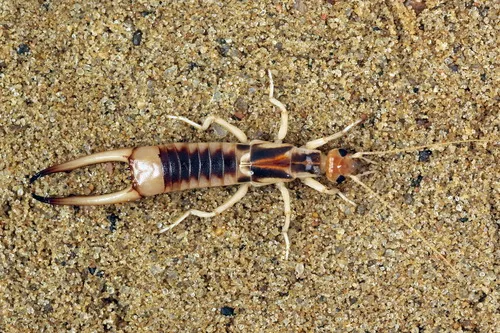
Shore Earwig
Labidura riparia
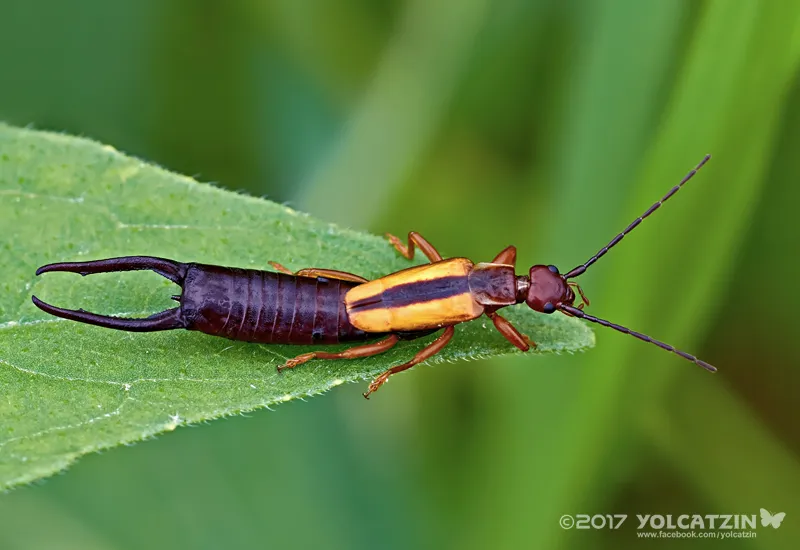
Lined Earwig
Doru taeniatum
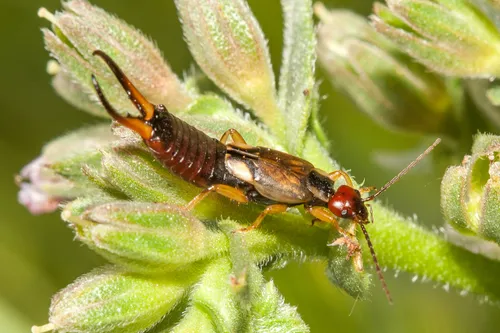
Forficula mediterranea
Forficula mediterranea
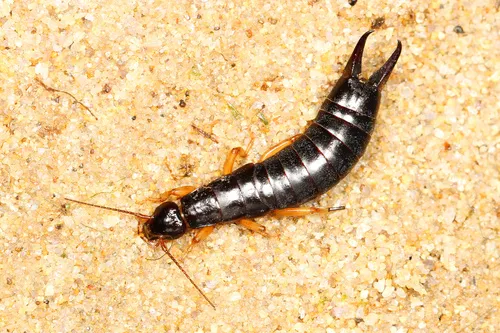
Maritime Earwig
Anisolabis maritima
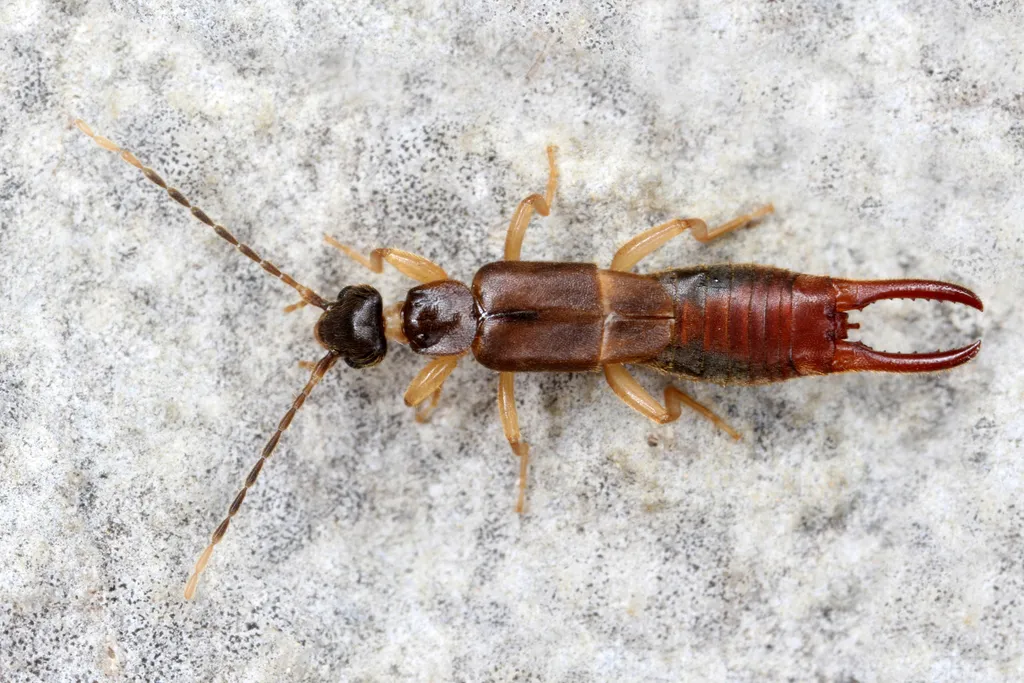
Lesser Earwig
Labia minor
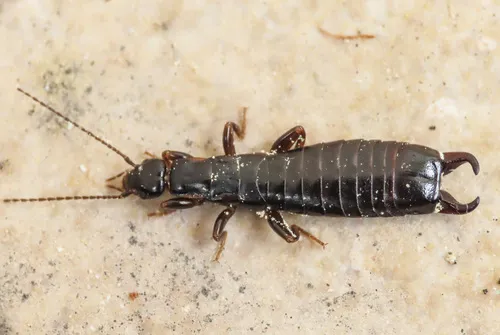
Euborellia moesta
Euborellia moesta
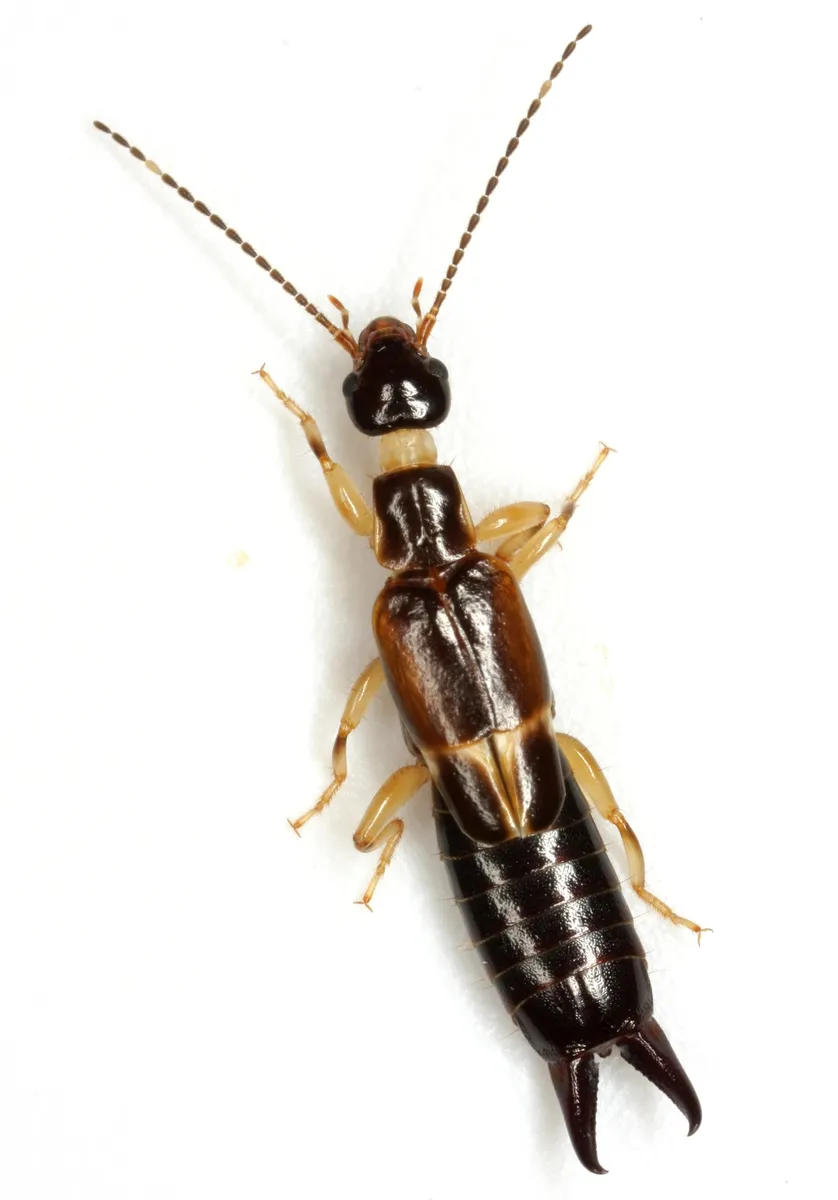
African Earwig
Euborellia cincticollis
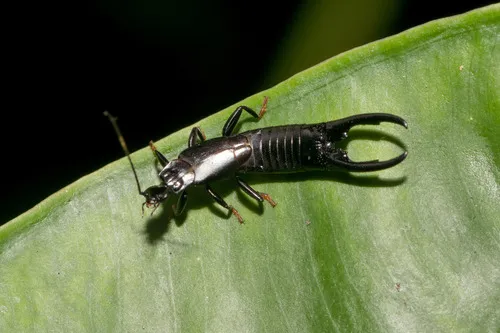
Black Earwig
Chelisoches morio
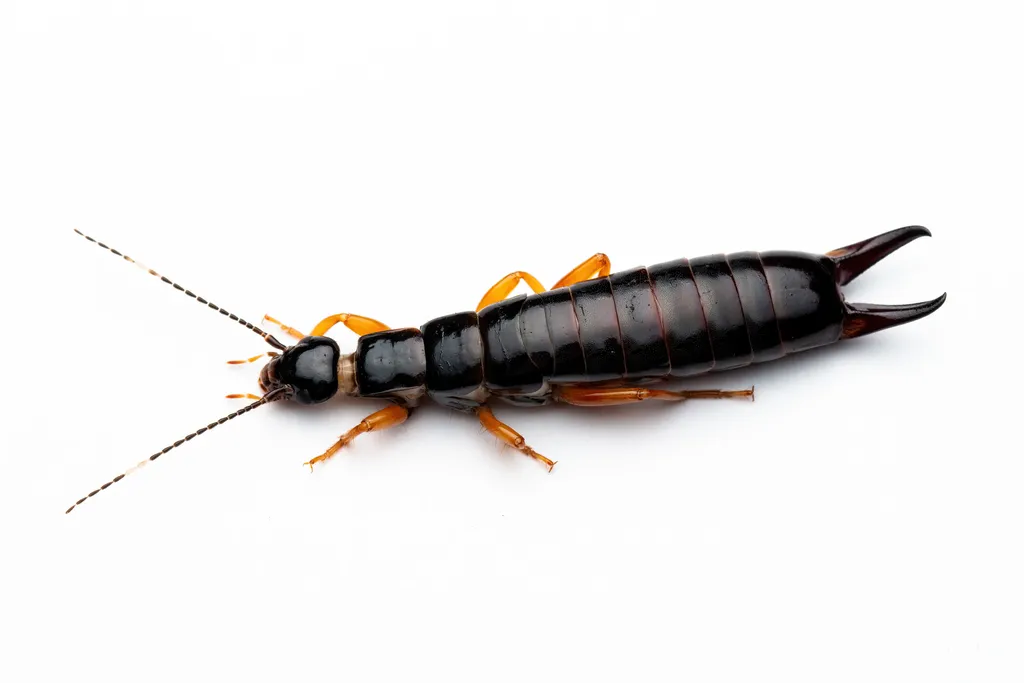
Euborellia arcanum
Euborellia arcanum
Sources and further reading
- ipm.ucanr.edu - earwigshttps://ipm.ucanr.edu/home-and-landscape/earwigs/
References support the subject discussed here; they do not certify every imported directory record. Regional sources describe their own locations. Read our source and correction policy.