
African Earwig
Euborellia cincticollis
This record describes Euborellia cincticollis (species). Recorded family: Anisolabididae. Recorded order: Dermaptera.
Identification and Appearance
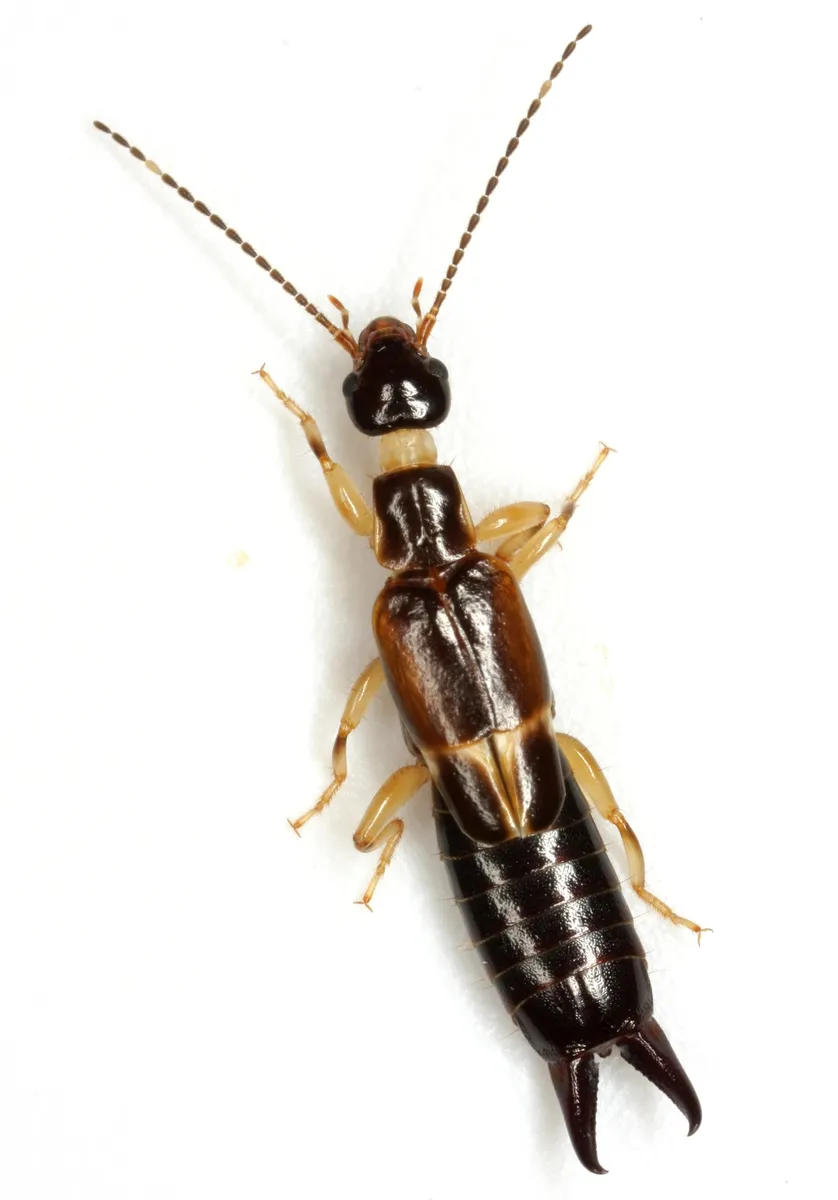
There are mentions of winged E. annulipes in older literature (but no known specimen), likely based on misidentifications; annulipes is assumed to be always wingless. Images of wingless cincticollis can be hard to separate from annulipes , especially when the specimen doesn't have pale rings in the antennae (which occurs frequently in both species) but adult annulipes have 15-16 antennal segments (rarely 14 or 17), whereas cincticollis has 17-20 segments. If there is a pale ring, in cincticollis it will often be a single pale segment, sometimes two around segment 15-16. In annulipes it would usually be 2-3 pale segments (sometimes 1) located further down around segs. 11-13. NB: nymphs have different antennomere counts, depending on instar. (Arp, BG comment, 2019 ), see also Langston & Powell
Wikipedia reference for Euborellia cincticollis: http://en.wikipedia.org/wiki/Euborellia_cincticollis.
Classification
- Kingdom
- Animalia
- Phylum
- Arthropoda
- Class
- Insecta
- Order
- Dermaptera (Earwigs)
- Family
- Anisolabididae
- Genus
- Euborellia
Imported taxonomy record. Source availability varies; see the source references and editorial policy below.
Habitat and Range
Habitat
arid to semi-arid areas (BG data)
Geographic Range
Native to w. and equatorial Africa; established in AZ, CA , and TX (BG data)
Seasonal Activity
mid-July to late September at Davis, CA per light trap data
Additional species information
Species notes from the sources
Etymology: Euborellia cincticollis ( Gerstäcker 1883)
About Earwigs: the wider group
Order-level background for Dermaptera, the group containing Euborellia cincticollis. Species-specific details appear above.
Group overview
Dermaptera (earwigs) includes ~2,000 described species. Despite their fearsome-looking pincers (cerci), earwigs are harmless to humans. The name 'earwig' comes from the Old English 'earwicga' meaning 'ear creature' - an old superstition that they crawl into ears.
Ecological role of the group
Earwigs are among the few insect orders where mothers actively care for their eggs and young - female earwigs guard their eggs, clean them to prevent mold, and protect nymphs until their second molt.
Economic and practical significance of the group
Earwigs can be minor garden pests, feeding on seedlings and soft fruits, but they also consume large numbers of aphids and other pest insects, providing natural pest control.
Recorded sources for this group: Entomological research, University extension services. Imported estimates may describe particular regions or reporting periods.
Photos of African Earwig (3)
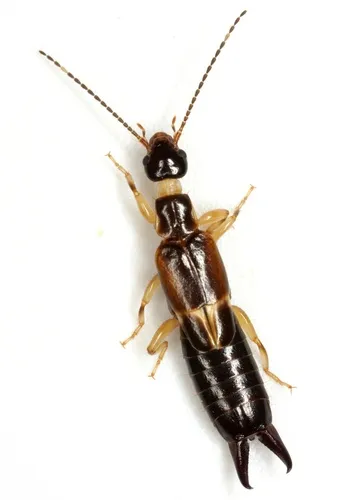
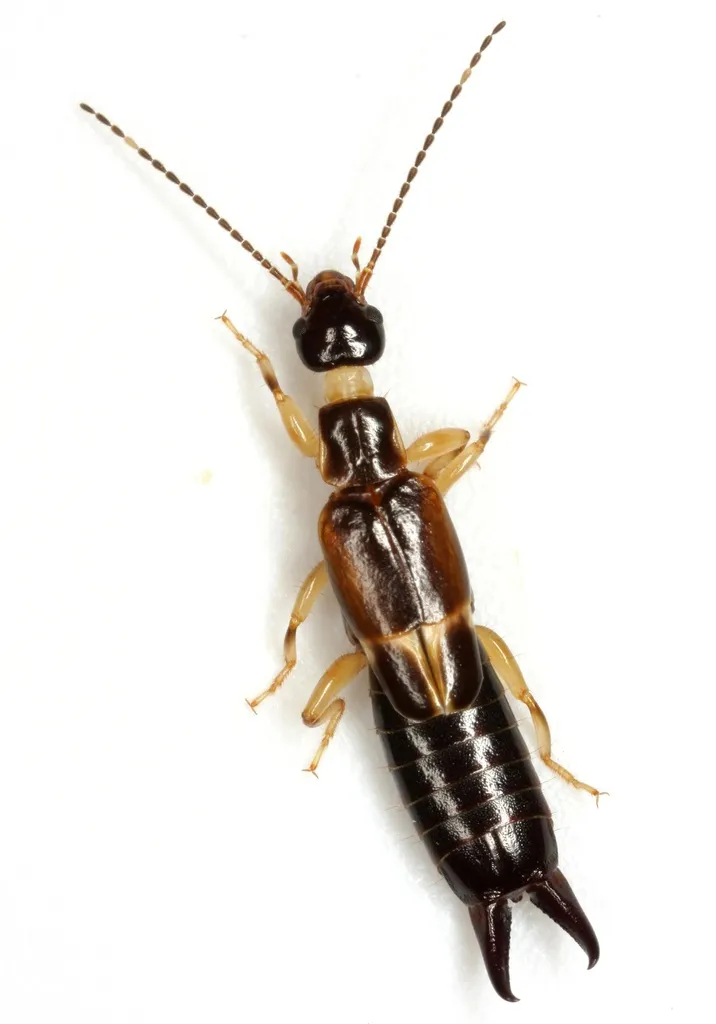
Photo credits: Contributed by Jim McClarin; Additional contributions by Beatriz Moisset , Chuck Entz , Mike Quinn , v belov
Frequently Asked Questions About African Earwig
What is African Earwig?
African Earwig (Euborellia cincticollis) is a species in the family Anisolabididae, within the order Dermaptera.
How big is African Earwig?
length including forceps rarely over 10-15 mm
How do you identify African Earwig?
There are mentions of winged E. annulipes in older literature (but no known specimen), likely based on misidentifications; annulipes is assumed to be always wingless. Images of wingless cincticollis can be hard to separate from annulipes , especially when the specimen doesn't have pale rings in the antennae (which occurs frequently in both species) but adult annulipes have 15-16 antennal segments (rarely 14 or 17), whereas cincticollis has 17-20 segments. If there is a pale ring, in cincticollis it will often be a single pale segment, sometimes two around segment 15-16. In annulipes it would usually be 2-3 pale segments (sometimes 1) located further down around segs. 11-13. NB: nymphs have different antennomere counts, depending on instar. (Arp, BG comment, 2019 ), see also Langston & Powell
Where is African Earwig found?
| Feature | Details |
|---|---|
| Habitat | arid to semi-arid areas (BG data) |
| Range | Native to w. and equatorial Africa; established in AZ, CA , and TX (BG data) |
When is African Earwig active?
African Earwig: seasonal activity - mid-July to late September at Davis, CA per light trap data.