
Lesser Earwig
Labia minor
This record describes Labia minor (species). Recorded family: Spongiphoridae. Recorded order: Dermaptera.
Identification and Appearance
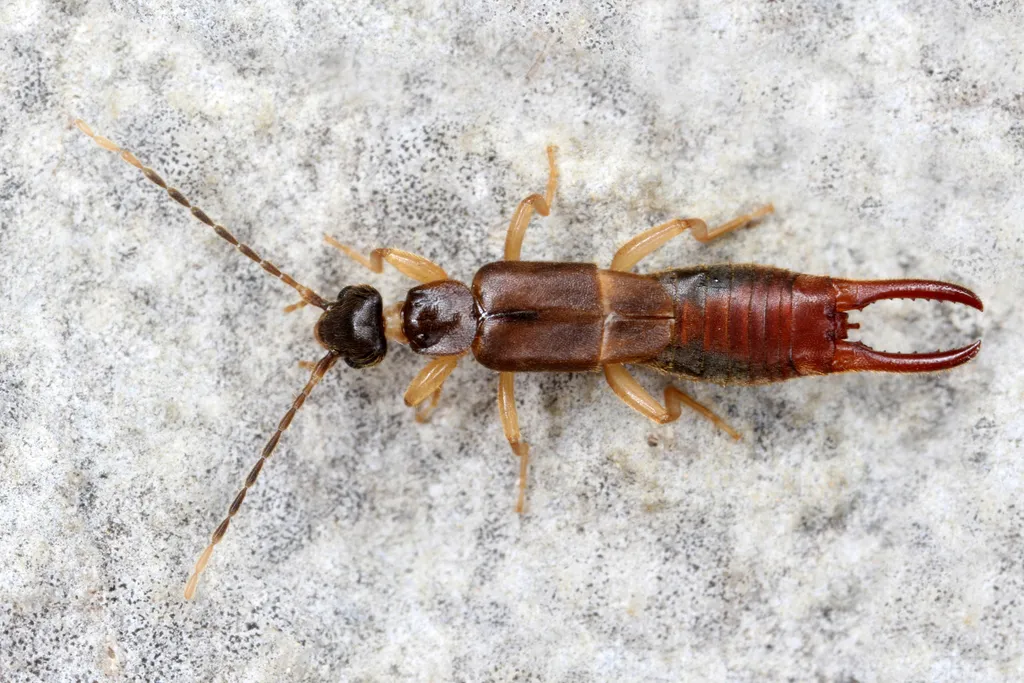
Small, pubescent all over the body & appendages, tan-colored, easily flying; female with forceps closed may look like a rove beetle (Staphylinidae) Male forceps symmetrical, with several small teeth internally: Female: Uses its forceps to comb out the wings ( video ) NB: searching for Labia minor is possibly NSFO (not safe for office), so add the word 'Dermaptera' to your search...
Wikipedia reference for Labia minor: http://en.wikipedia.org/wiki/Labia_minor.
Classification
- Kingdom
- Animalia
- Phylum
- Arthropoda
- Class
- Insecta
- Order
- Dermaptera (Earwigs)
- Family
- Spongiphoridae (Little Earwigs)
- Subfamily
- Labiinae
- Genus
- Labia
Imported taxonomy record. Source availability varies; see the source references and editorial policy below.
Habitat and Range
Habitat
Around manure and on flowers; often numerous under debris and manure taken in flight or at lights
Geographic Range
North and south temperate zones around the world; widespread in NA and ranges farther north (into BC & QC) than any other earwig
Diet and Behavior
Diet: Manure maggots , decaying plant material
Additional species information
Species notes from the sources
Etymology: Labia minor (Linnaeus 1758)
About Earwigs: the wider group
Order-level background for Dermaptera, the group containing Labia minor. Species-specific details appear above.
Group overview
Dermaptera (earwigs) includes ~2,000 described species. Despite their fearsome-looking pincers (cerci), earwigs are harmless to humans. The name 'earwig' comes from the Old English 'earwicga' meaning 'ear creature' - an old superstition that they crawl into ears.
Ecological role of the group
Earwigs are among the few insect orders where mothers actively care for their eggs and young - female earwigs guard their eggs, clean them to prevent mold, and protect nymphs until their second molt.
Economic and practical significance of the group
Earwigs can be minor garden pests, feeding on seedlings and soft fruits, but they also consume large numbers of aphids and other pest insects, providing natural pest control.
Recorded sources for this group: Entomological research, University extension services. Imported estimates may describe particular regions or reporting periods.
Photos of Lesser Earwig (3)
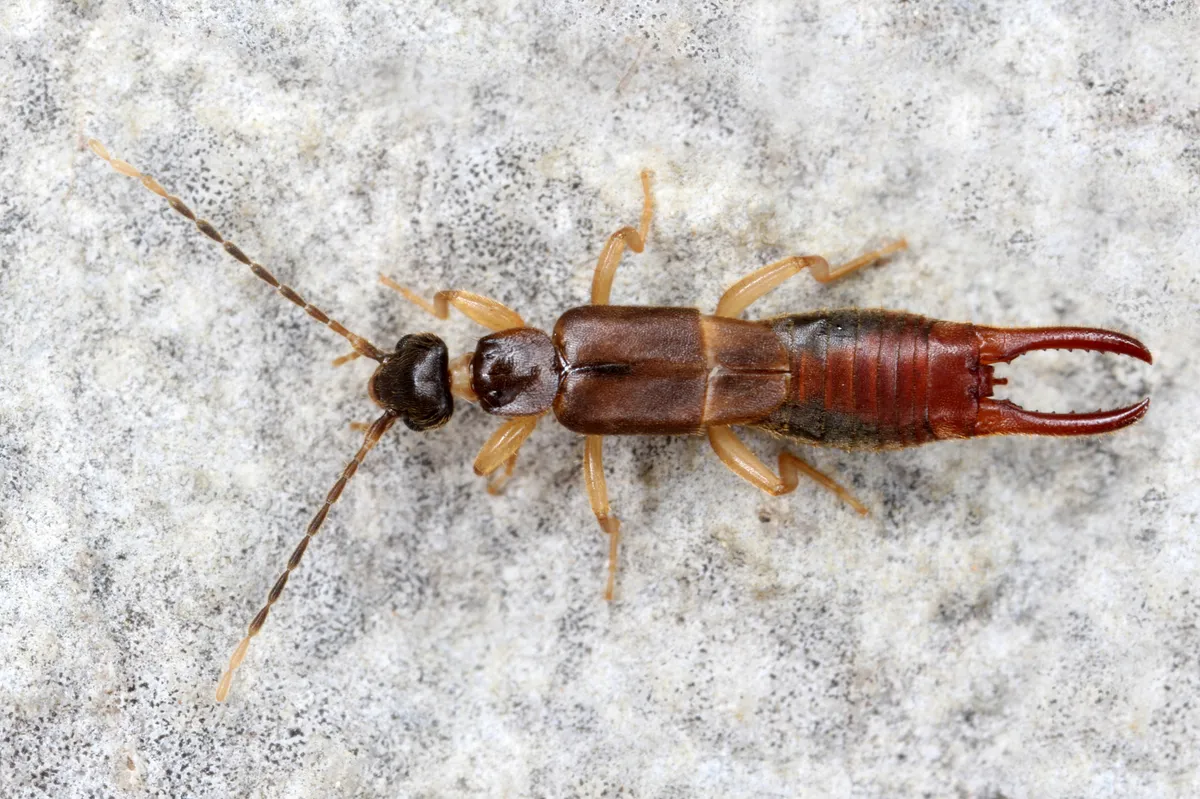
Photo credits: Contributed by Brad Barnd; Additional contributions by Beatriz Moisset , Robin McLeod , Chuck Entz , Mike Quinn , v belov
Frequently Asked Questions About Lesser Earwig
What is Lesser Earwig?
Lesser Earwig (Labia minor) is a species in the family Spongiphoridae, within the order Dermaptera.
How big is Lesser Earwig?
BL including forceps rarely exceeds 7 mm ; 4-7 mm
How do you identify Lesser Earwig?
Small, pubescent all over the body & appendages, tan-colored, easily flying; female with forceps closed may look like a rove beetle (Staphylinidae) Male forceps symmetrical, with several small teeth internally: Female:
Where is Lesser Earwig found?
| Feature | Details |
|---|---|
| Habitat | Around manure and on flowers; often numerous under debris and manure taken in flight or at lights |
| Range | North and south temperate zones around the world; widespread in NA and ranges farther north (into BC & QC) than any other earwig |
What does Lesser Earwig eat?
The diet of the Lesser Earwig includes Manure maggots , decaying plant material.