
Euborellia arcanum
This record describes Euborellia arcanum (species). Recorded family: Anisolabididae. Recorded order: Dermaptera.
Identification and Appearance
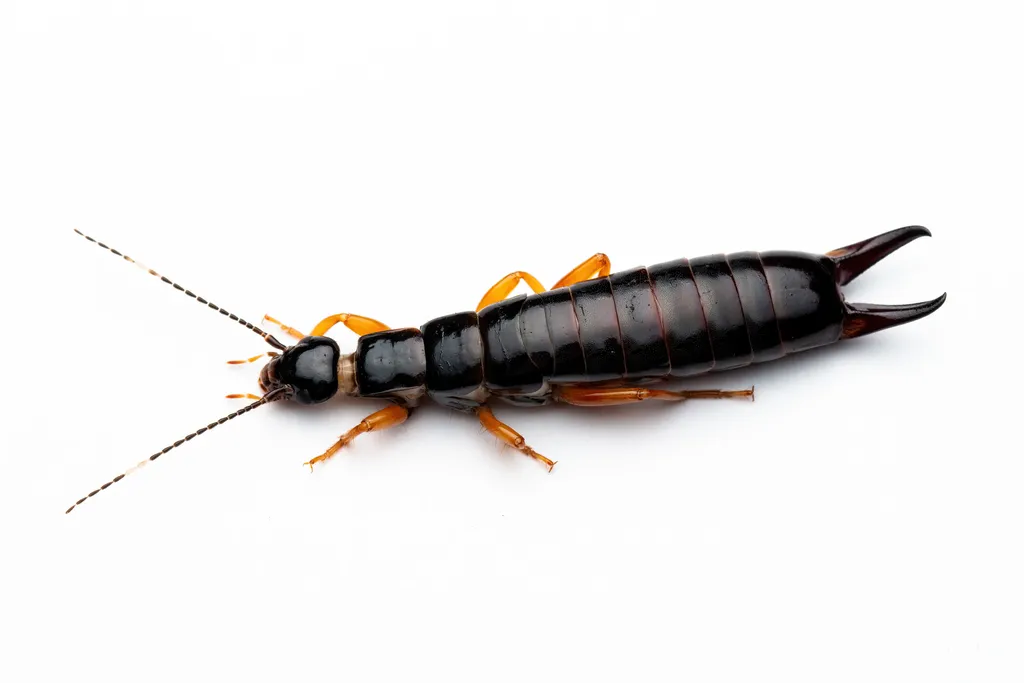
from : E. peregrina & E. antoni are similar, but with pronotum widening posterad (also differs in male genitalia and forceps) Creates burrows and chambers in soil and emerges at night, retracting food into burrows for consumption. First described in 2015 from specimens in greenhouses/exhibits in Leipzig, Germany, then subsequently found in greenhouses Potsdam, Germany & Vienna, Austria. These individuals may have come from soil/plants from Florida
Classification
- Kingdom
- Animalia
- Phylum
- Arthropoda
- Class
- Insecta
- Order
- Dermaptera (Earwigs)
- Family
- Anisolabididae
- Genus
- Euborellia
Imported taxonomy record. Source availability varies; see the source references and editorial policy below.
Habitat and Range
Habitat
Dark moist places in greenhouses & urban areas, perhaps elsewhere ; in TX found under potted plants
Geographic Range
FL, likely other southern states. Seems to be introduced, perhaps from the Neotropics
Diet and Behavior
Diet: Has been raised on banana pieces and dried Gammarus
Life History
Eggs are smooth and white, ~1x1 mm; 5 instars total
Additional species information
Species notes from the sources
Etymology: Euborellia arcanum Matzke & Kocarek 2015
About Earwigs: the wider group
Order-level background for Dermaptera, the group containing Euborellia arcanum. Species-specific details appear above.
Group overview
Dermaptera (earwigs) includes ~2,000 described species. Despite their fearsome-looking pincers (cerci), earwigs are harmless to humans. The name 'earwig' comes from the Old English 'earwicga' meaning 'ear creature' - an old superstition that they crawl into ears.
Ecological role of the group
Earwigs are among the few insect orders where mothers actively care for their eggs and young - female earwigs guard their eggs, clean them to prevent mold, and protect nymphs until their second molt.
Economic and practical significance of the group
Earwigs can be minor garden pests, feeding on seedlings and soft fruits, but they also consume large numbers of aphids and other pest insects, providing natural pest control.
Recorded sources for this group: Entomological research, University extension services. Imported estimates may describe particular regions or reporting periods.
Photos of Euborellia arcanum (3)
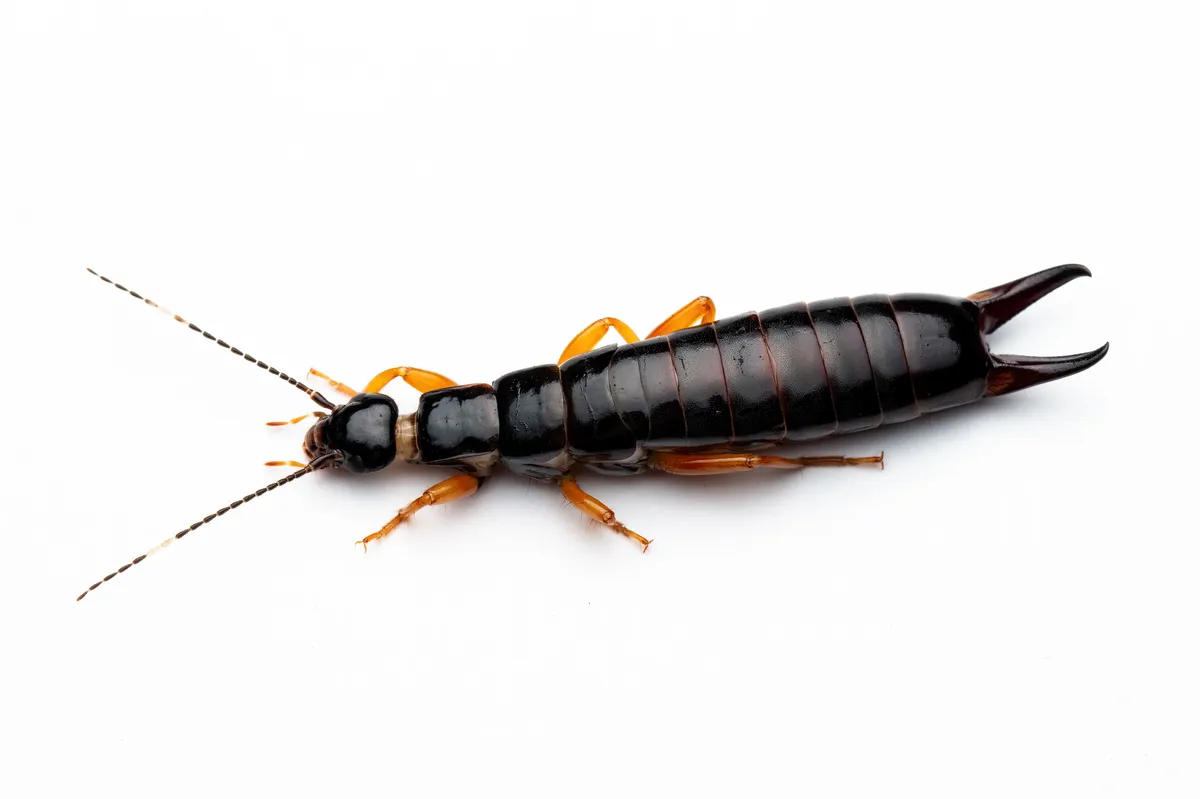
Photo credits: Contributed by Graham Montgomery; Additional contributions by v belov
Frequently Asked Questions About Euborellia arcanum
What is Euborellia arcanum?
Euborellia arcanum is a species in the family Anisolabididae, within the order Dermaptera.
How big is Euborellia arcanum?
Adults 20-26 mm
How do you identify Euborellia arcanum?
from : E. peregrina & E. antoni are similar, but with pronotum widening posterad (also differs in male genitalia and forceps)
Where is Euborellia arcanum found?
| Feature | Details |
|---|---|
| Habitat | Dark moist places in greenhouses & urban areas, perhaps elsewhere ; in TX found under potted plants |
| Range | FL, likely other southern states. Seems to be introduced, perhaps from the Neotropics |
What does Euborellia arcanum eat?
The diet of the Euborellia arcanum includes Has been raised on banana pieces and dried Gammarus.
What is the life cycle of a Euborellia arcanum?
Eggs are smooth and white, ~1x1 mm; 5 instars total