
Family Sheetweb and Dwarf Spiders (Linyphiidae)
Linyphiidae is a family in the order Araneae. Browse 287 named species recorded in this family, or open an individual profile for its available identification and natural-history information.
Species in Linyphiidae (287)
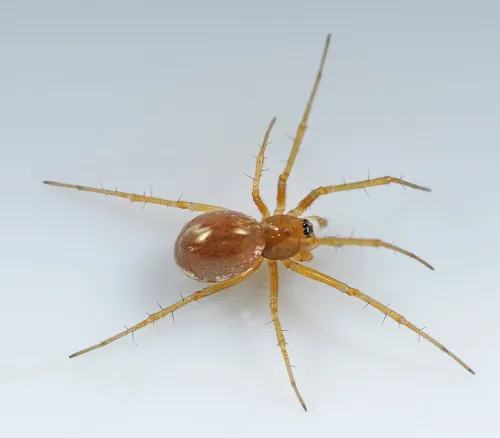
Linyphia hortensis
Linyphia hortensis
Size about 4 mm. The male has a dark brown rather cylindrical abdomen that usually has two pale patches at the top. The female is broader bodied and more strongly marked. The spider is found on low vegetation, especially dog's-mercury, mostly but not
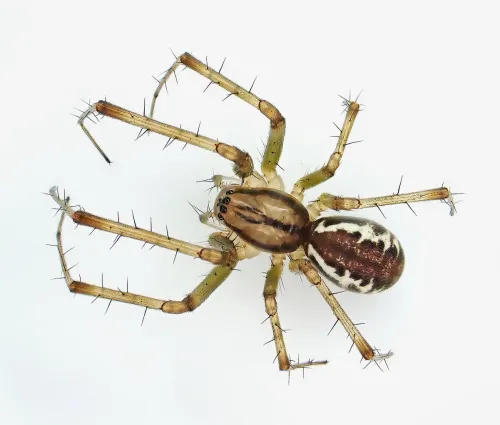
Linyphia triangularis
Linyphia triangularis
The female is about 6 mm and the male slightly smaller at 5 mm. A small but well-marked spider with a tuning fork shaped mark on the carapace behind the eyes. It can be found in bushes and vegetation. It is abundant and widespread in Britain.
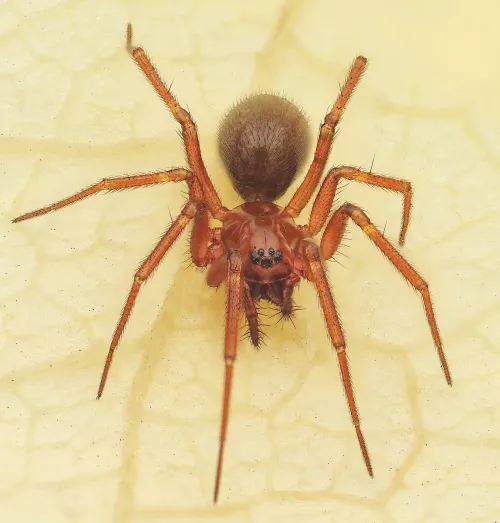
Macrargus rufus
Macrargus rufus
A small spider with a length of little more than 3.5mm. Unless identified by a recognised expert, a photo is required and the specimen should be examined with a microscope. In the comments box, state the key or ID method used and describe the size an
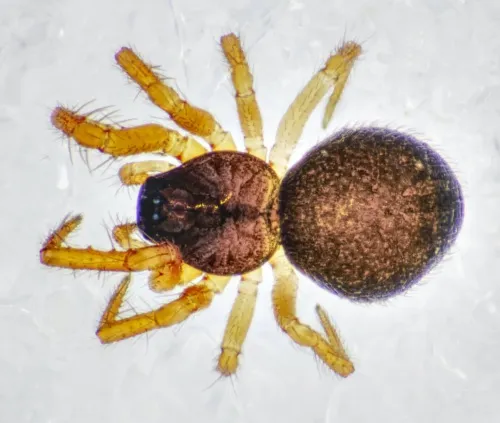
Maso gallicus
Maso gallicus
Length 1.4 to 2.2 mm. Grey-brown, 3 large spines on femur I & II. Identification of this species requires examination of the genitalia. http://srs.britishspiders.org.uk/portal.php/p/Summary/s/Maso+gallicus No additional images available for this spec
Maso sundevalli
Maso sundevalli
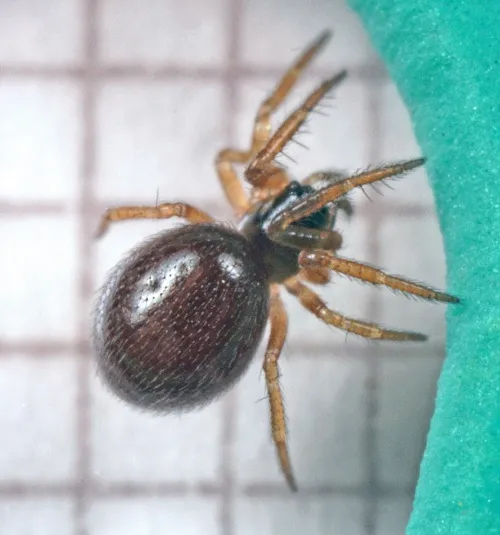
Microscopic examination of genitalia is required to confirm identity. Females year round but peak time is in summer. http://srs.britishspiders.org.uk/portal.php/p/Summary/s/Maso+sundevalli
Mermessus fradeorum
Mermessus fradeorum
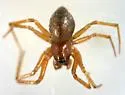
Identification: Small differences in epigynum and by the different shape of the dorsal plate. In males differences in the shape of the embolic division and the papal tibia. There is also a trichobothria on metatarsus IV. Male:
Mermessus maculatus
Mermessus maculatus
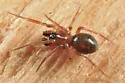
In the 1940s, when Kaston wrote that it was "our commonest species of the genus" in Spiders of Connecticut, the genus he was referring to was Eperigone, named by Crosby & Bishop in 1928. Much later, according to the World Spider Catalog, it was deter
Mermessus tridentatus
Mermessus tridentatus
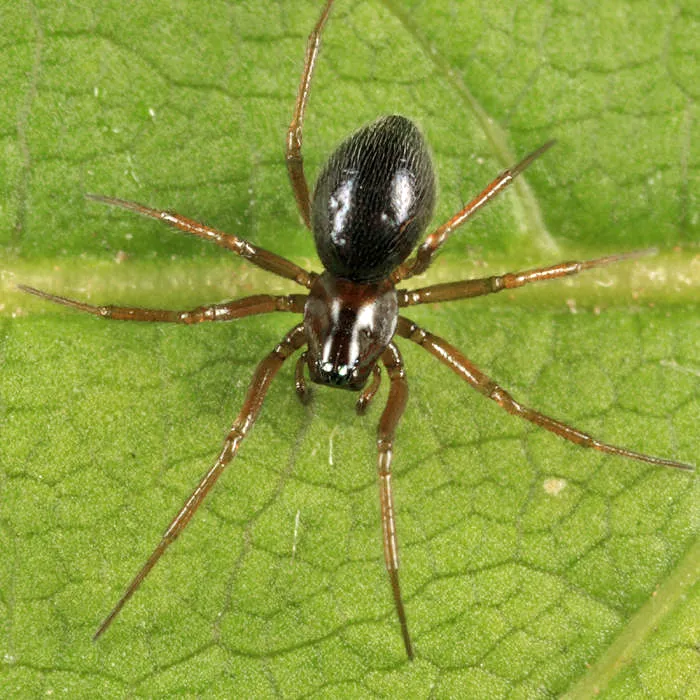
Mermessus tridentatus is a species of dwarf spider in the family Linyphiidae. It is found in the United States, Canada, and Puerto Rico. It was described by America arachnologist James Henry Emerton in 1882.

Metopobactrus prominulus
Metopobactrus prominulus
This is one of the 'money spiders' in the Linyphidae family - which has more UK species than any other. Most are small and need microscopic examination to identify. No additional images available for this species.
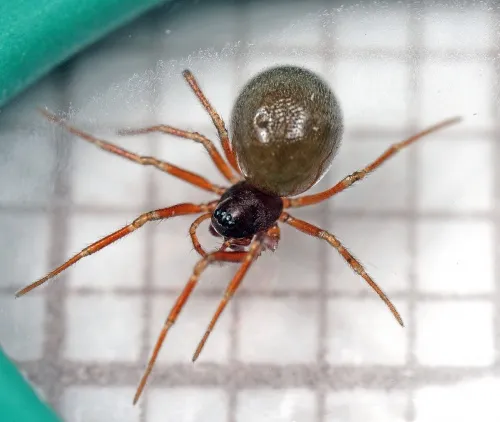
Micrargus herbigradus
Micrargus herbigradus
Unless identified by a recognised expert, a photo is required and the specimen should be examined with a microscope. In the comments box, state the key or ID method used and describe the size and identifying characters. Usually found in moss, leaf li
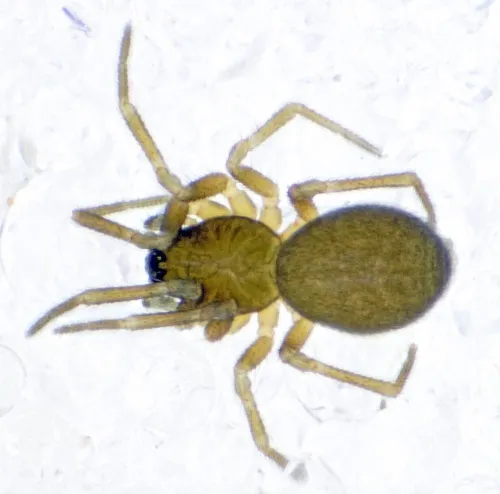
Micrargus subaequalis
Micrargus subaequalis
Males 1.6 to 2 mm, females 1.5 to 2.2mm. Prosoma light to dark brown. Opisthosoma grey. This species can only be confirmed by examination of the genitalia of mature specimens. Grassland, gardens and damp places such as marshland grass, woodland leaf
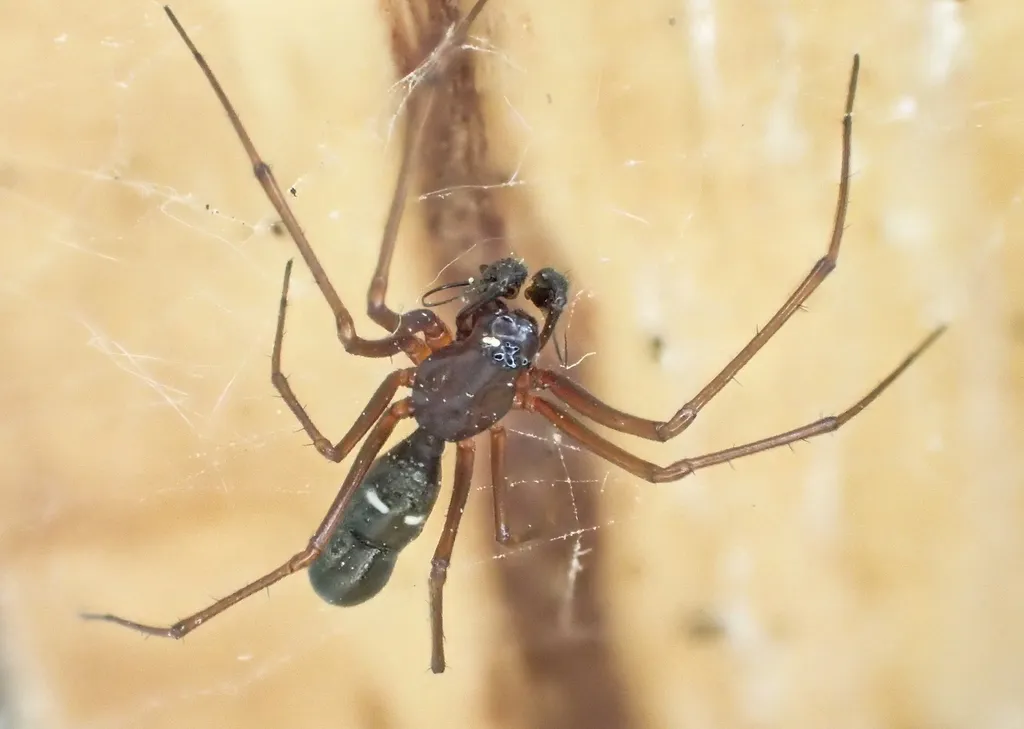
Common Threaded Sheetweaver
Microlinyphia mandibulata
Microlinyphia mandibulata is a species of sheetweb spider in the family Linyphiidae. It is found in the United States.
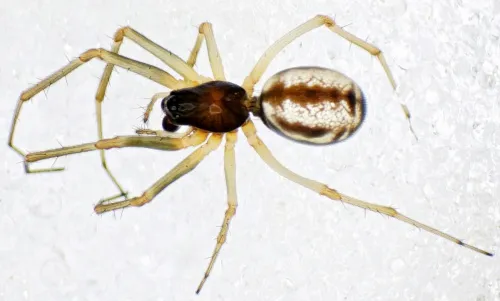
Microlinyphia pusilla
Microlinyphia pusilla
This species displays strong sexual dimorphism: The male is black and shiny with a narrow abdomen that often has two white spots, and with a body length (excluding legs) of around 5 mm; The female is slightly larger with a much plumper, slivery abdom
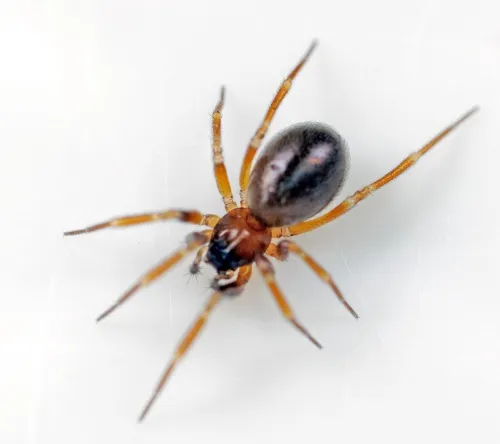
Microneta viaria
Microneta viaria
A small (2 to 3mm) sheetweb spider. Positive identification requires careful examination of male palps (4-5 long spines on patella) or female epigyne. Usually found in woodland litter and leaf litter under scrub and in hedgerows. Sometimes found in g
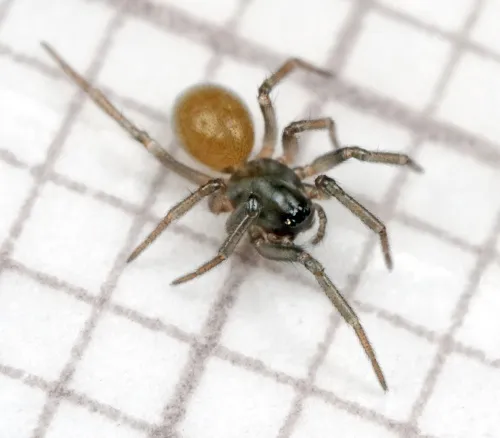
Monocephalus fuscipes
Monocephalus fuscipes
This is a very small (2 mm) spider. The colouring is variable, but the abdomen is usually brown or black. Confirmation of this species requires examination of the genitals of mature specimens. Confirmation of this species requires examination of the
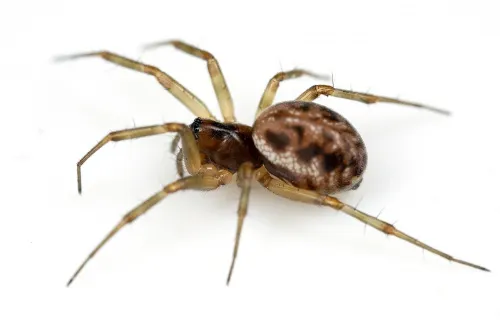
Neriene clathrata
Neriene clathrata
The abdominal markings often vary in intensity, but usually show some mottling and often a whitish area towards the head. The species is found in a wide range of habitats including grassland, heathland, marshes, scrub, woodland and gardens where it o
Neriene digna
Neriene digna
Identification: Palp Epigynum In this case it's the side view that's most diagnostic. The profile shape of the protruding epigynum that is the giveaway - not seen in either of the 2 other species found in the region. The dorsal and ventral abdomen co
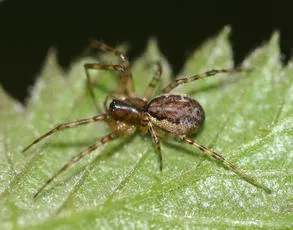
Neriene montana
Neriene montana
It is recognised by the dark brown radiating lines on the carapace, a dark-edged brown abdomen with pale mottled sides and annulated legs. It builds a horizontal web in bushes, etc.
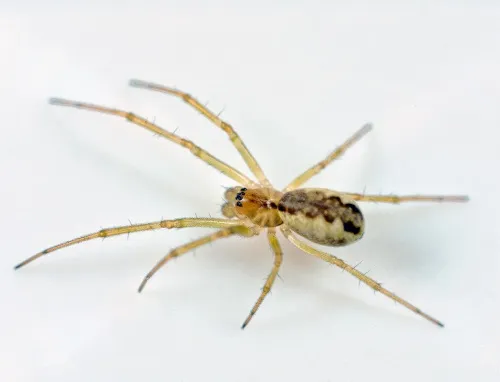
Neriene peltata
Neriene peltata
The carapace has a dark medial band which broadens to cover the head. The abdomen has a brown band with zig-zag edges. The legs are unmarked. This is a common and widespread species in Britain.
Neriene variabilis
Neriene variabilis
Identification: Profile of abdomen on male: Palp Epigynum
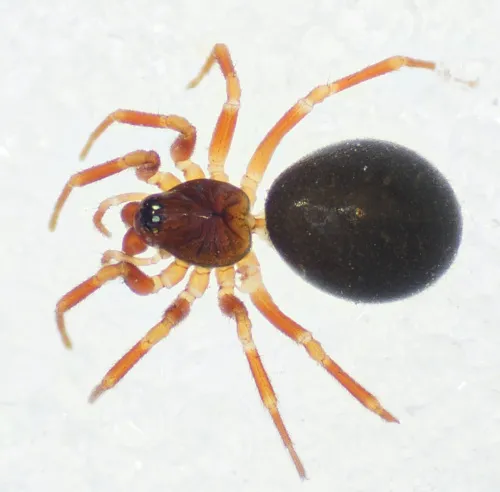
Oedothorax agrestis
Oedothorax agrestis
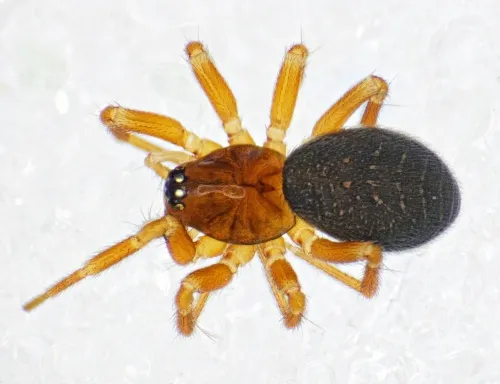
Body length 2 to 3 mm. Prosoma brown to dark brown, distinctly darker radial stripes. Legs yellow-orange. Opisthosoma blackish. Males distinguishable from the palps, particular the tibia. Females can be difficult to determine. Confirmation of this sp
Oedothorax apicatus
Oedothorax apicatus
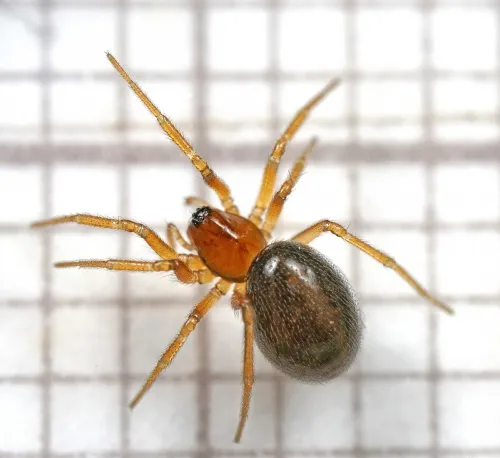
This is a very small, dark bodied spider with red/brown legs. The species is a frequent aeronaut that occurs in most habitats. It is characteristic of open disturbed habitats such as disturbed grasslands, agricultural fields and river shingles. All y
Oedothorax fuscus
Oedothorax fuscus
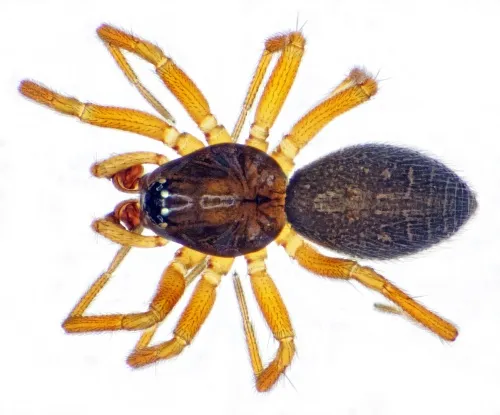
Females 2.1 to 3.0 mm, males 2.0 to 2.3 mm. Prosoma (cephalothorax) brown-orange-brown, male: with a crown. Opisthosoma (abdomen) grey dorsally with lighter longitudinal stripes. Female epigyne and male pedipalps are characteristic. Unless identified
Oedothorax gibbosus
Oedothorax gibbosus
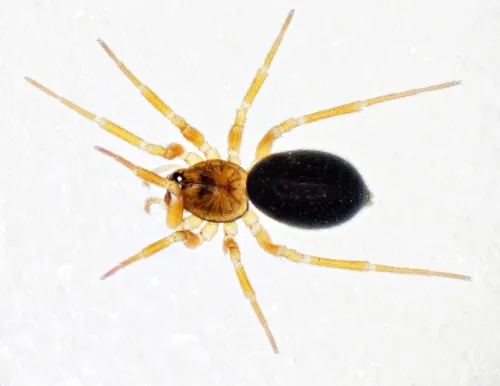
Males: 2.0 to 2.3 mm. Females: 2.4 to 3.2 mm. Prosoma brown, radial stripes and margin darker. Male: with high, rounded hump, anteriorly with bipartite, densely bristled groove (gibbosus-form) or with broad-conical hump (tuberosus-form). Legs yellow-
Oedothorax retusus
Oedothorax retusus
Males 2 mm, females 2.5 to 3 mm. Prosoma light to dark brown, margin and radial stripes darker, steeply ascending behind eyes. Legs yellow-orange. Opisthosoma grey. Tibial spines: 2-2-2-2 / TmIV: no / TmI: 0.34-0.44 Confirmation of this species requi
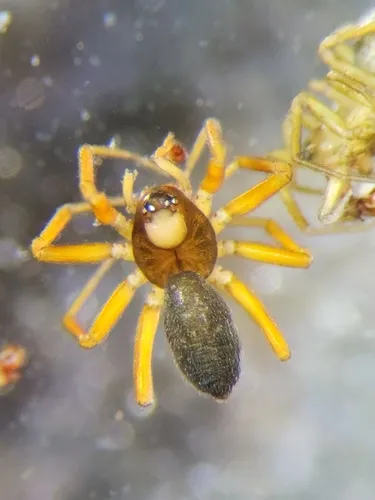
Tricorn Dwarf Weaver
Oedothorax trilobatus
Oedothorax trilobatus is a species of dwarf spider in the family Linyphiidae. It is found in the United States, Canada, and Russia.
Oreophantes recurvatus
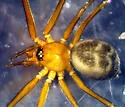
Oreophantes recurvatus
Identification: Not meant to be diagnostic by itself, but this species has unusually long, slender legs; femur I is nearly twice as long as the length of the cephalothorax, and tibia I is longer than femur I. The male's pedipalp or female's epigynum
Origanates rostratus
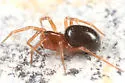
Origanates rostratus
Identification: Palp Epigynum One identifying character: the large oval cephalic pits just behind the posterior lateral eyes (Kaston, 1948). The male has a very distinctive raised cephalic lobe (fig. 35.152 on page 138 of SONA, for those who have it)
Ostearius melanopygius
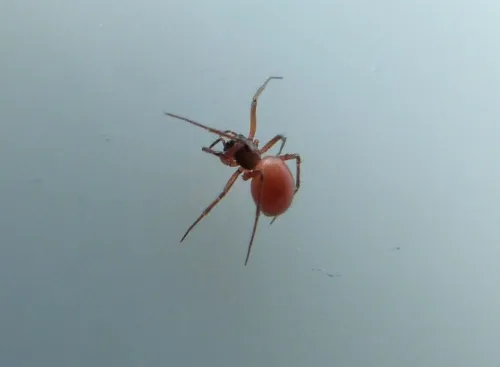
Ostearius melanopygius
This is a very small spider. The male has a 2 mm body length and is smaller than the female which has a 3 mm body length. The uniformly orange-red abdomen is most distinctive, whilst the head is darker almost back. There is also a blackish patch at t
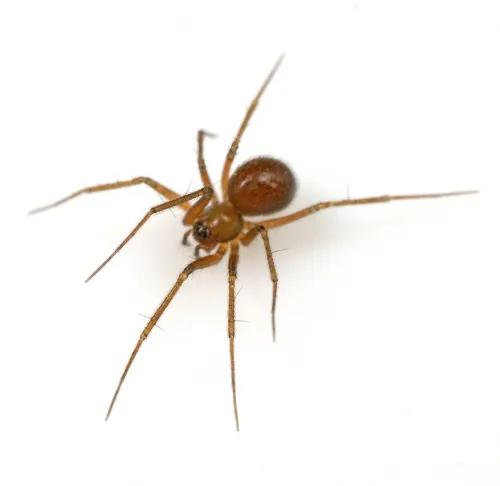
Palliduphantes ericaeus
Palliduphantes ericaeus
Male body length: 1.3 to 1.9 mm, Female body length: 1.3 to 2.4 mm. Prosoma yellow-brown, with dark margin. Legs yellowish. Opisthosoma yellow-grey. Male palp with slightly serrated end of lamella. Epigyne with flat scapus, hardly protruding. Lateral

Palliduphantes pallidus
Palliduphantes pallidus
This is one of the 'money spiders' in the Linyphidae family - which has more UK species than any other. Most are small and need microscopic examination to identify. No additional images available for this species.
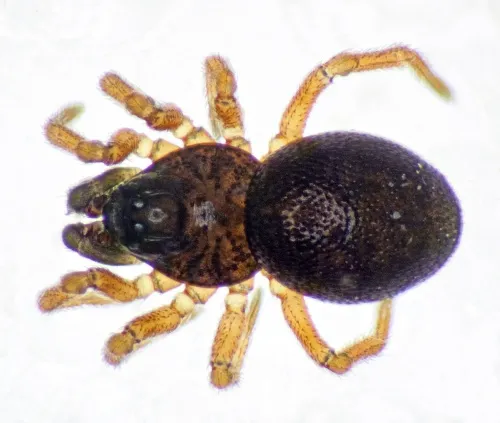
Pelecopsis parallela
Pelecopsis parallela
Confirmation of this species requires examination of the genitals of mature specimens. Occurs in a variety of habitats including moss, detritus in woods, under stones and grasslands. Crocker & Daws (1996) recorded the species in disused quarries, on
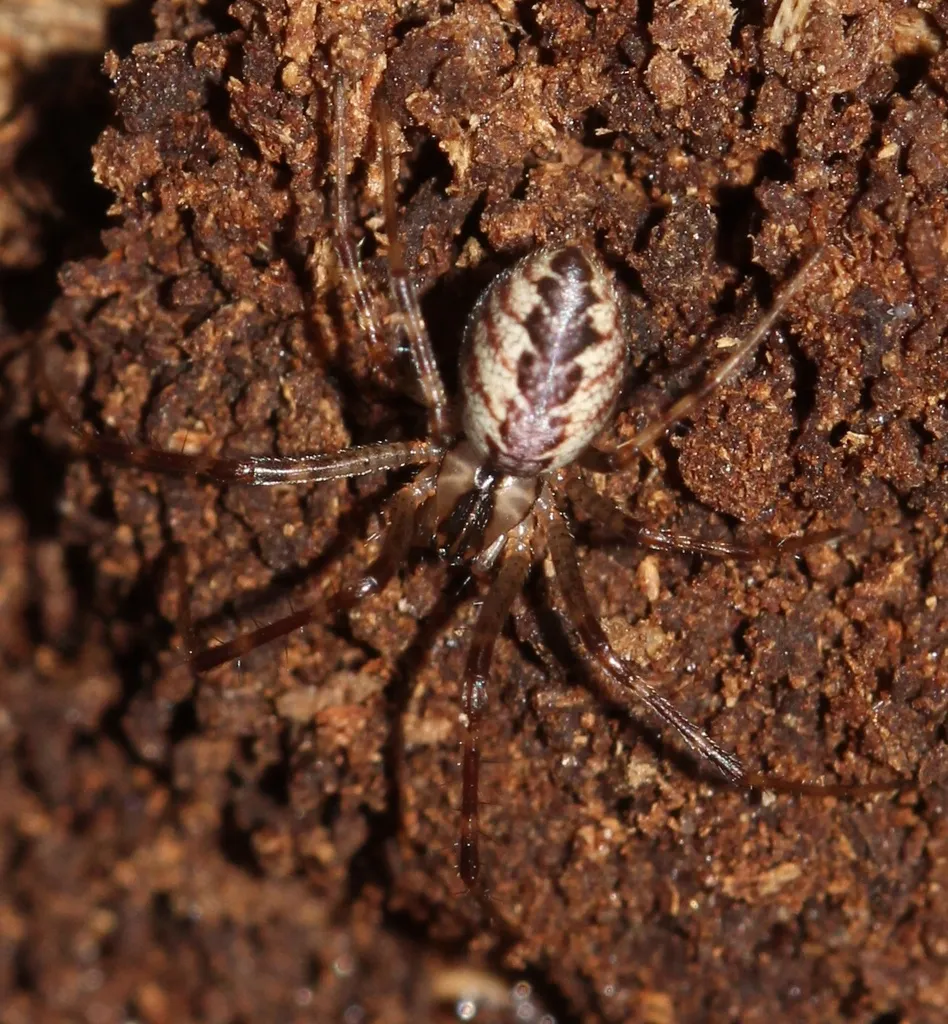
Pityohyphantes subarcticus
Pityohyphantes subarcticus
Identification: Very similar in appearance to P. costatus . Palp Epigynum
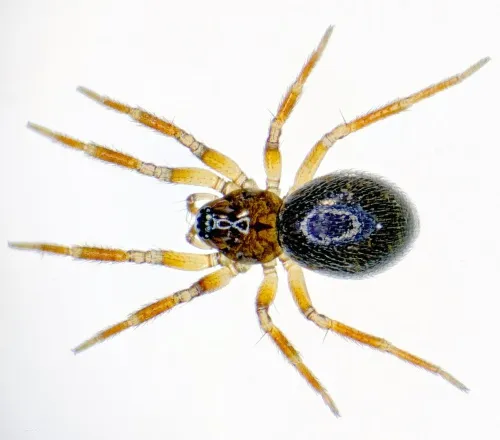
Pocadicnemis juncea
Pocadicnemis juncea
Males: 1.7 to 1.8 mm, females: 1.9 to 2 mm. Prosoma yellow-brown, often blackish. Legs yellowish-brown. Opisthosoma dark grey-black. Confirmation requires microscopic examination of the genitalia of adult specimens. Vegetation, gardens, grassland, ar
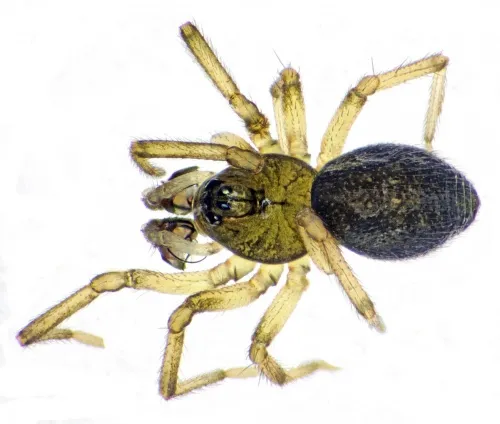
Pocadicnemis pumila
Pocadicnemis pumila sensu stricta
Length 1.8 to 2.3mm. Prosoma yellow-brown to brown, often also blackish. Legs yellowish-brown. Opisthosoma dark grey to black. Examination of the genitalia is required to confirm this species. Occurs in a range of habitats including grasslands, moorl
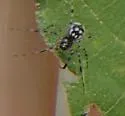
Pocobletus coroniger
Pocobletus coroniger
Identification: Very uniquely marked; a very small, dark spider with white spots and banded legs. See figure 14 in Gertsch & Archer 1942 ( 6 ) . Page created based on this specimen:
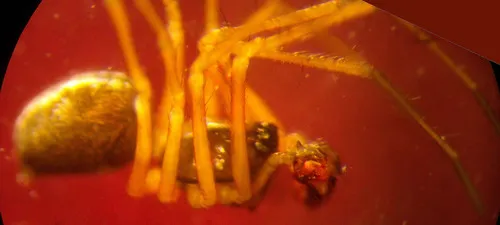
Poeciloneta lyrica
Poeciloneta lyrica
Poeciloneta lyrica is a species of sheetweb spider in the family Linyphiidae. It is found in North America.

Porrhomma convexum
Porrhomma convexum
This is one of the 'money spiders' in the Linyphidae family - which has more UK species than any other. Most are small and need microscopic examination to identify. No additional images available for this species.
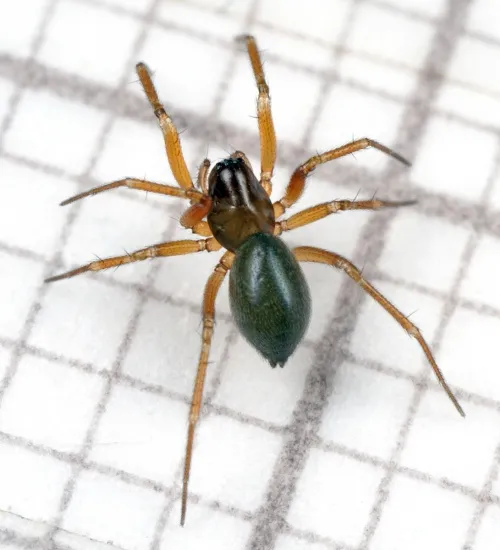
Porrhomma microphthalmum
Porrhomma microphthalmum
Unless identified by a recognised expert, the specimen should be examined with a microscope and photos showing details of genitals should be provided. In the comments box, state the key or ID method used and describe the size and identifying characte
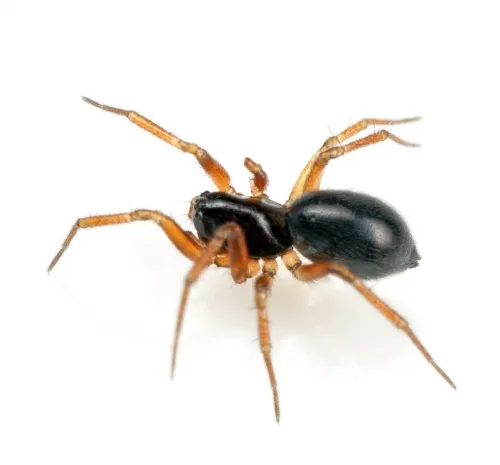
Porrhomma pygmaeum
Porrhomma pygmaeum
Length 2 or 3 mm. This is a small dark blackish spider with paler legs. The main habitat for this species is in damp marshy places. However it is a common aeronaut and can be found in many habitats at all levels, from woodland leaf litter, through gr
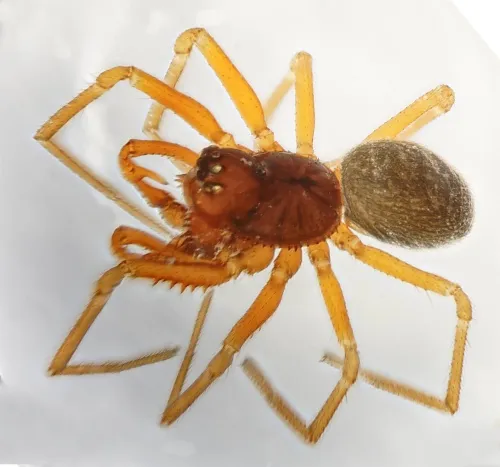
Prinerigone vagans
Prinerigone vagans
Identification of this species "Requires examination at high magnification in good lighting, typically examination of the genitalia." Bee, L., Oxford, G., & Smith, H. (2020). Britain's Spiders: A Field Guide. Second Edition. Princeton University Pres
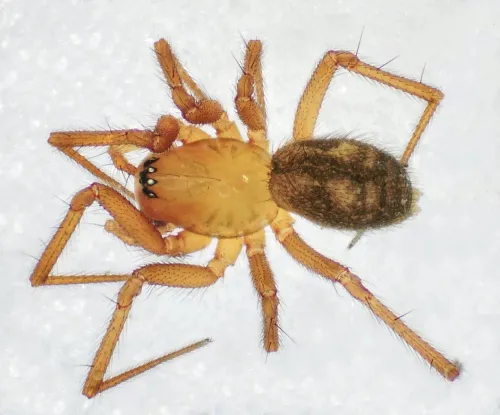
Saaristoa abnormis
Saaristoa abnormis
Length 3-4mm. Prosoma red-brown with dark margin. Sternum red-brown, with black margin. Chelicerae dark brown, robust. Legs yellowish-brown, robust. Opisthosoma dark grey, almost black. Microscopic examination of the genitalia is required to confirm
Saaristoa sammamish
Saaristoa sammamish
Saaristoa sammamish is a species of sheetweb spider in the family Linyphiidae. It is found in the United States.
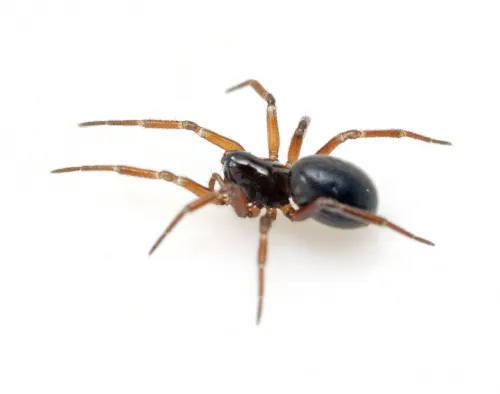
Savignia frontata
Savignia frontata
Length 1.5 to 2 mm. Brownish-black with yellow-brown legs. Male carapace raised in a highly characteristic projection bearing a tuft of hairs. Tibial spines 2-2-1-1; TmIV no; TmI 0.47-0.53. Structure of adult genitalia characteristic. Confirmation of
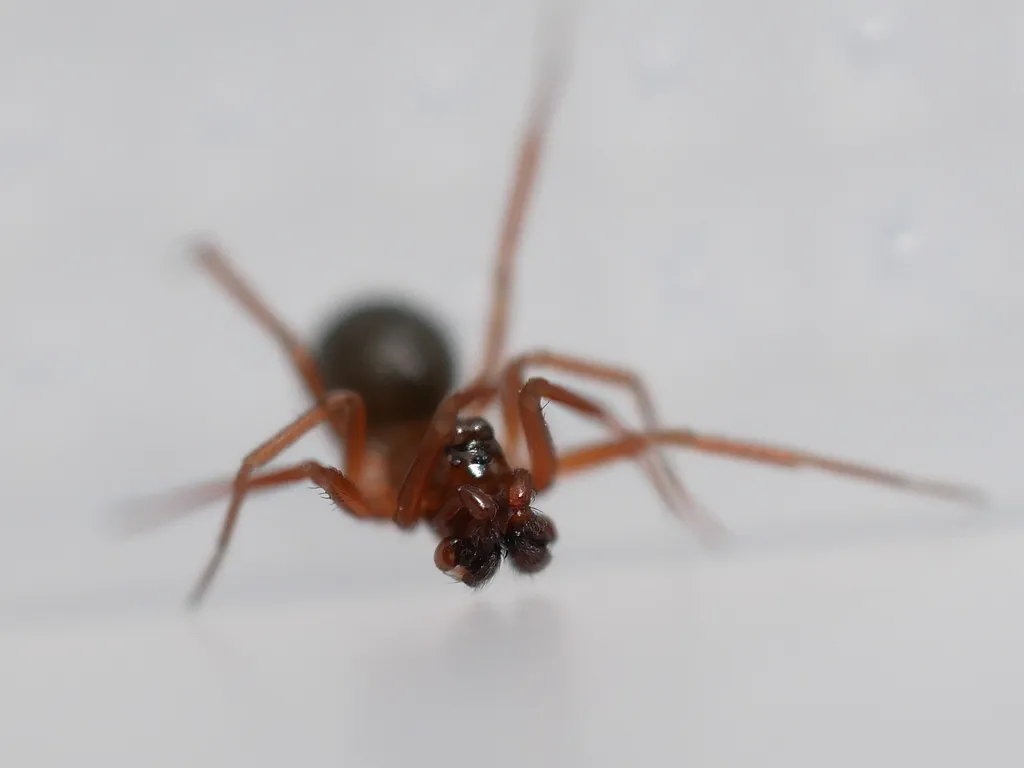
Scotinotylus formicarius
Scotinotylus formicarius
Scotinotylus formicarius is a species of sheet weaver found in the United States. It was described by Dondale & Redner in 1972.
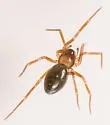
Scotinotylus vernalis
Scotinotylus vernalis
Identification: Epigynum (undissected, ventral, dorsal)
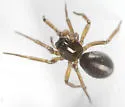
Sisicottus quoylei
Sisicottus quoylei
Sisicottus quoylei is a species of dwarf spider in the family Linyphiidae. It is found in the United States and Canada.
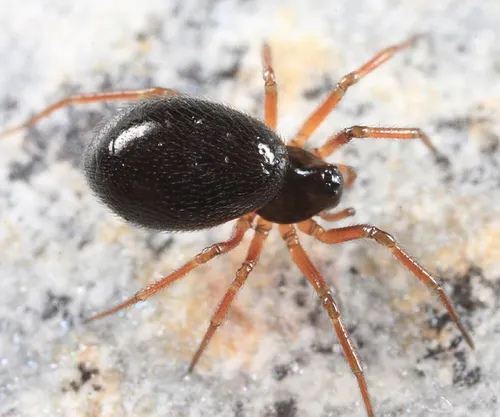
Souessa spinifera
Souessa spinifera
Souessa is a monotypic genus of North American sheet weavers containing the single species, Souessa spinifera. It was first described by C. R. Crosby & S. C. Bishop in 1936, and has only been found in the United States.
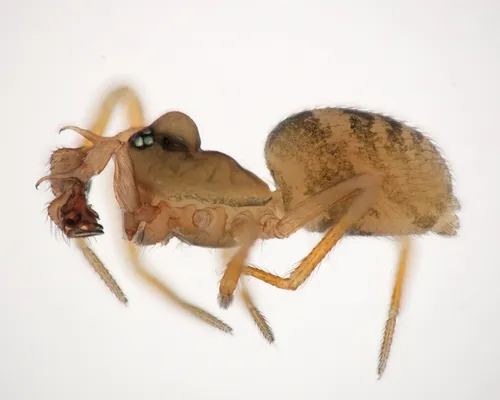
Spirembolus novellus
Spirembolus novellus
Spirembolus novellus is a species of sheet weaver found in the United States. It was described by Millidge in 1980.
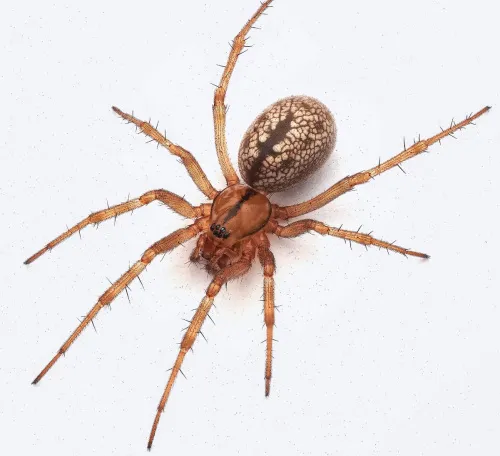
Horse-head spider
Stemonyphantes lineatus
Relatively easy to identify, this is a stunningly marked and colourful spider. The pinkish mottled body has a darker central band of varying strength. The head is light brown and also has a darker central line. Usually found at or near ground level i
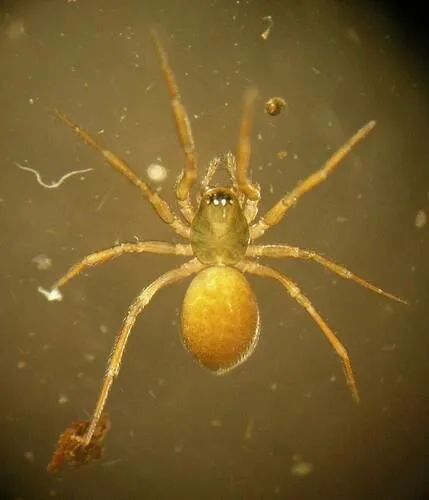
Tachygyna vancouverana
Tachygyna vancouverana
Tachygyna vancouverana is a species of dwarf spider in the family Linyphiidae. It is found in the United States and Canada.
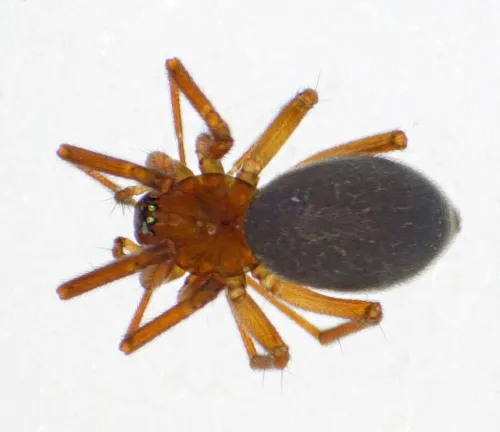
Tallusia experta
Tallusia experta
2.5 to 3.5 mm, prosoma reddish brown, legs red-brown, opisthosoma grey-black. Tibial spines: 2-2-2-2 / TmIV: no / TmI: 0.34-0.44 Confirmation of this species requires examination of the genitalia of mature specimens. Widespread, particularly in damp

Tapinocyba praecox
Tapinocyba praecox
This is one of the 'money spiders' in the Linyphidae family - which has more UK species than any other. Most are small and need microscopic examination to identify. No additional images available for this species.
Tennesseellum formica
Tennesseellum formica
Identification: "Carapace elongated-oval, light yellow-orange, shiny, strongly granulate (Fig. 16); suffused with dark gray along margin and radiating lines; fovea present. Legs light yellow-orange, femur a shade darker Abdomen in males cylindrical,
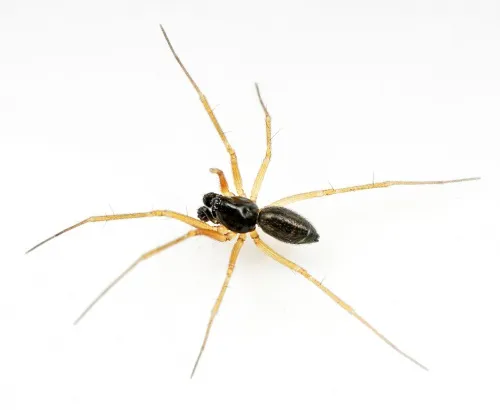
Tenuiphantes flavipes
Tenuiphantes flavipes
A small, black bodied spider with pale yellowy-brown legs. Predominantly a woodland species occurring in leaf litter and undergrowth. It may also be found in a variety of other situations including grasslands, heaths and marshes, generally at ground
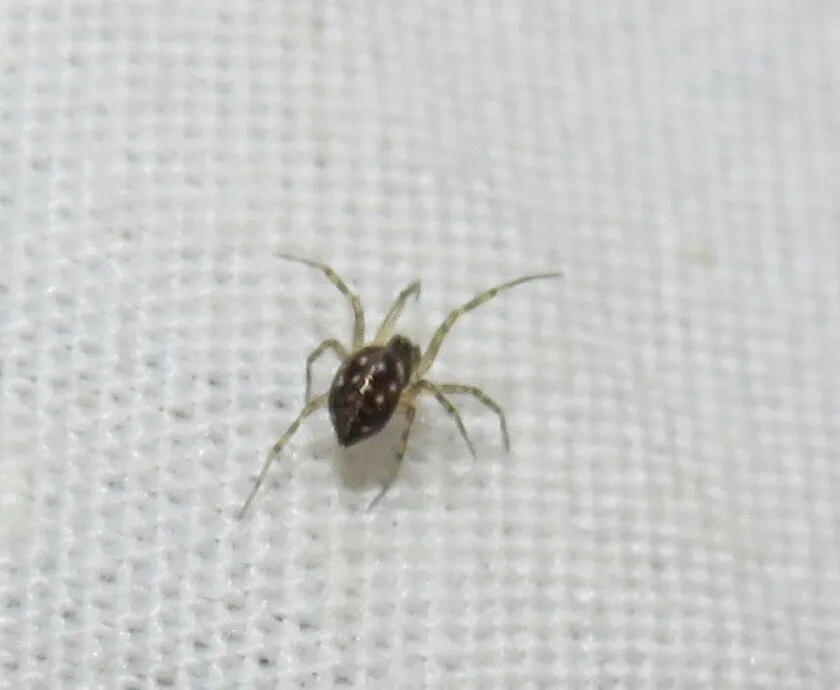
Tenuiphantes sabulosus
Tenuiphantes sabulosus
Tenuiphantes sabulosus is a species of sheetweb spider in the family Linyphiidae. It is found in North America.
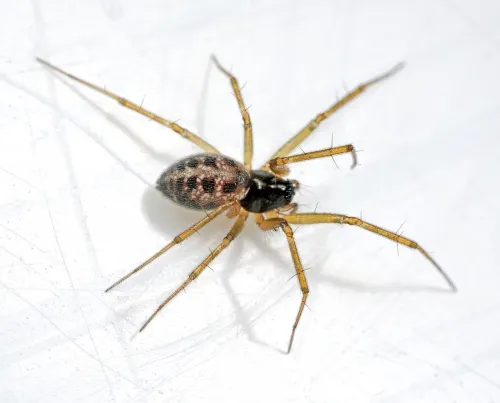
Tenuiphantes tenuis
Tenuiphantes tenuis
Males: 2 to 3.2 mm, females: 2 to 4.3 mm. Prosoma yellow-brown, not annulated. Legs yellow-brown. Opisthosoma whitish with paired chevrons. Confirmation requires microscopic examination of the genitalia of adult specimens. Vegetation, gardens, grassl
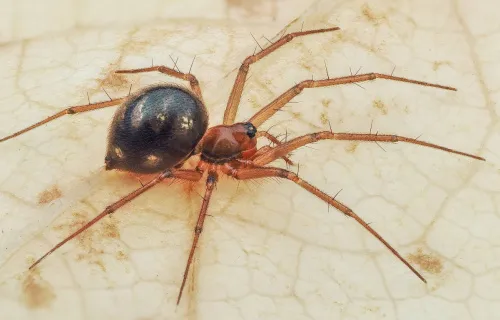
Tenuiphantes zimmermanni
Tenuiphantes zimmermanni
A small and quite distinctive spider, but there are similar species and identification really requires examination under a microscope. A woodland species found in leaf litter and under logs. https://srs.britishspiders.org.uk/portal.php/p/Summary/s/Te
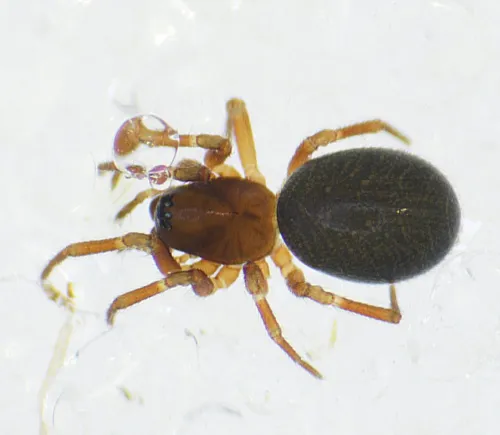
Tiso vagans
Tiso vagans
Body length 1.9-2.3mm. Prosoma brown to dark brown, radial stripes and narrow margin darker. Legs yellow-brown. Opisthosoma grey-black. Microscopic examination of the genitalia is required to confirm this species. In open, damp localities. Generally
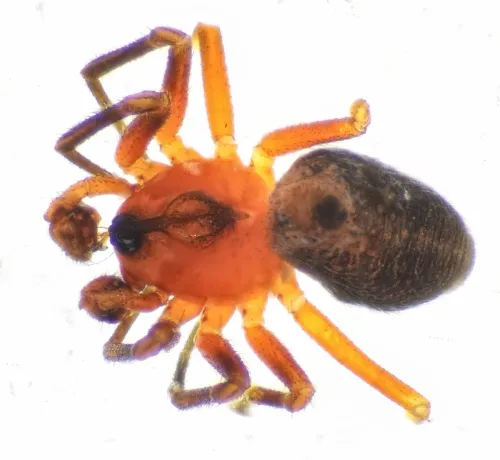
Trematocephalus cristatus
Trematocephalus cristatus
Length: 2.0 to 2.6 mm. Legs red-orange. Opisthosoma black-grey. Prosoma red-orange, with black eye region and median spot. Males seem to have a hole in their heads. This is actually a projection forward from the prosoma (carapace) which rests in a gr
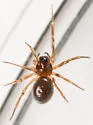
Vermontia thoracica
Vermontia thoracica
Identification: "Orange-brown to deep brown, with dusky markings and margins. Abdomen: grey to black. Sternum: yellow to orange, suffused with black. Legs: yellow to orange-brown." Epigynum: ventral/dorsal
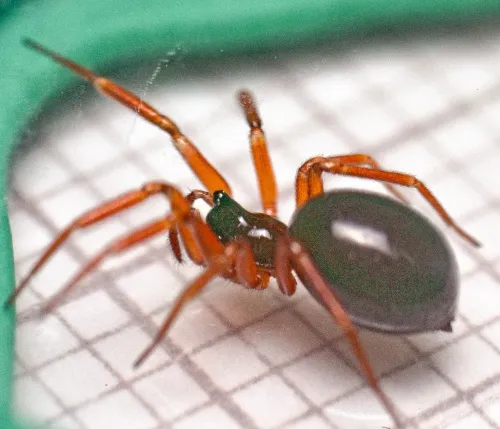
Walckenaeria acuminata
Walckenaeria acuminata
This spider is about 4 mm long and has a dark, almost black head and abdomen, and orangey red legs. The male is quite striking as his eyes sit in two groups at the top and middle of a slender tower more than twice the height of the head itself. Occur
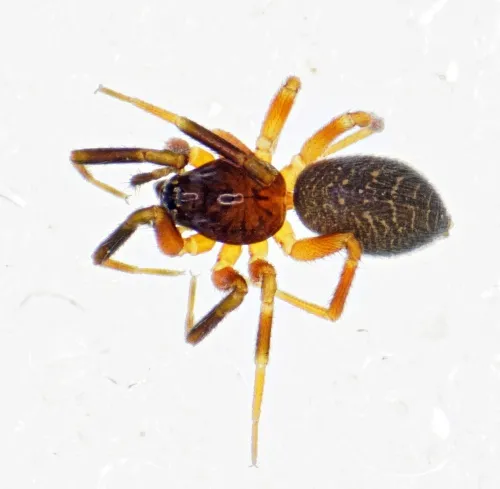
Walckenaeria antica
Walckenaeria antica
Males 1.75 to 2.3 mm, females 2.0 to 2.6 mm. Prosoma red-brown to dark brown, radial stripes and margin darker. Legs red-orange with dark tibia. Opisthosoma grey-black. Identification of this species requires microscopic examination of the genitalia
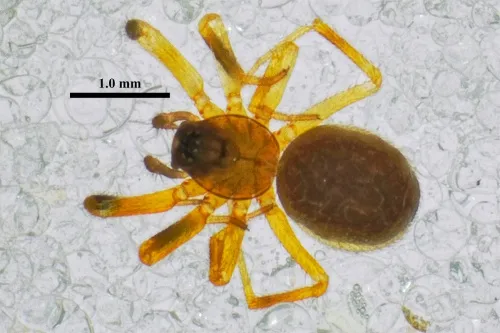
Walckenaeria atrotibialis
Walckenaeria atrotibialis
Length 2-3mm. Prosoma light to red-brown with dark radial stripes. Male prosome elevated step-like anteriorly, with distinct depression in the middle of dorsal line. Identification requires microscopic examination of genitals. A ground-dwelling spide
Walckenaeria auranticeps
Walckenaeria auranticeps
Identification: "Bright orange . The male has a broad, upright horn in the ocular area." Femora orange but the remaining segments are dark blackish brown. Epigynum: W. lepida is sometimes found in the same habitats. "The epigynum of W. fusciceps is s
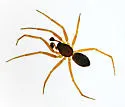
Walckenaeria carolina
Walckenaeria carolina
Identification: "Glossy orange-red to chestnut brown with blackish margins; not significantly darkened anteriorly." Anterior of carapace is raised (more pronounced in males). Abdomen gray Palp: Carapace pattern similar to W. pallida
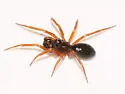
Walckenaeria castanea
Walckenaeria castanea
Identification: "Pale brown to chestnut brown, sometimes rather darker anteriorly . The male has anteriorly a small lobe with large holes and sulci on its sides; the lobe carries the posterior median eyes. Palp: Epigynum: ventral/dorsal
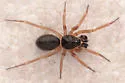
Walckenaeria columbia
Walckenaeria columbia
Identification: "Orange-brown to dark brown, with dusky markings. Abdomen:grey to black." Palp
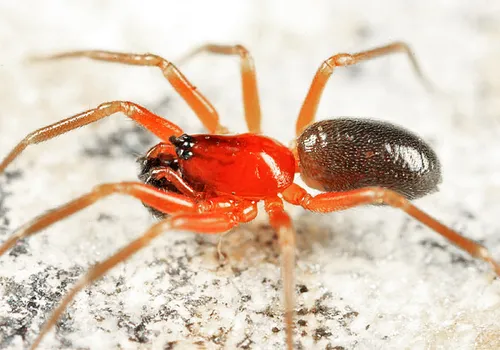
Walckenaeria communis
Walckenaeria communis
Identification: "Orange to deep reddish orange in female, darkened anteriorly, often to almost black. The male carapace is similarly colored, but the anterior darkening is much less pronounced or even absent . Recently molted specimens are paler in c
Walckenaeria cornuella
Walckenaeria cornuella
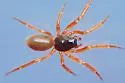
Identification: "Orange to deep orange, with faint dusky markings. The male has a small projection or "horn" in the ocular area. Abdomen: grey-black." Epigynum

Walckenaeria cucullata
Walckenaeria cucullata
This is one of the 'money spiders' in the Linyphidae family - which has more UK species than any other. Most are small and need microscopic examination to identify. No additional images available for this species.

Walckenaeria cuspidata
Walckenaeria cuspidata
This is one of the 'money spiders' in the Linyphidae family - which has more UK species than any other. Most are small and need microscopic examination to identify. No additional images available for this species.
Walckenaeria digitata
Walckenaeria digitata
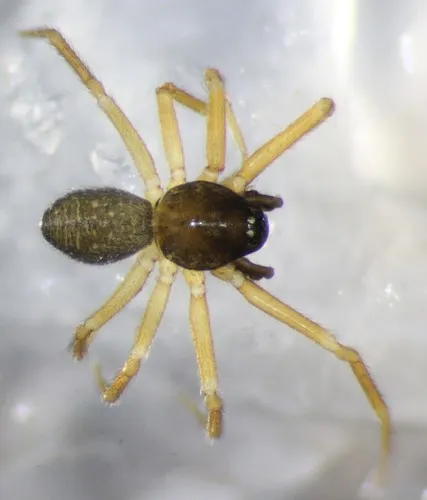
Identification: Carapace: brown, with dusky markings and margins. Abdomen: uniformly black in the male, grey suffused with black posteriorly around the spinnerets in the female." Voucher male habitus, pedipalp:
Walckenaeria directa
Walckenaeria directa
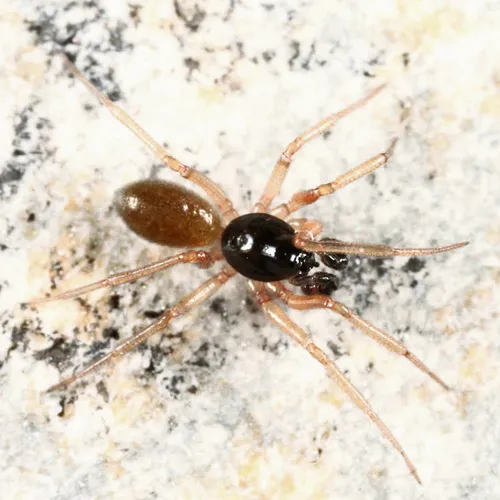
Identification: "Deep chestnut brown, with dusky margins and markings. The male bears anteriorly a horn which comprises a large upper section and a small lower section separated by a cleft . The anterior hairs on the horn appear under the binocular m
Walckenaeria dondalei
Walckenaeria dondalei
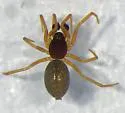
Identification: "Brown to deep chestnut brown, with dusky markings; lightly darkened anteriorly in female . The male carapace has a fairly large lobe which bears numerous spatulate hairs. Abdomen: gray-black with faint paler markings."
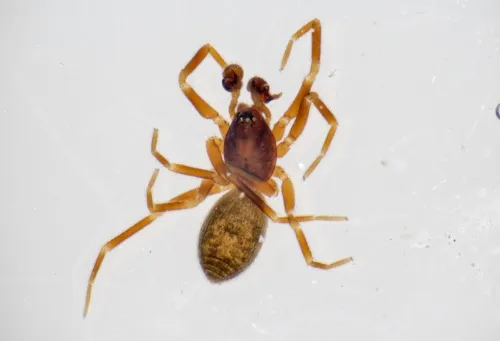
Walckenaeria dysderoides
Walckenaeria dysderoides
1.7 to 2.3 mm. Prosoma brown to dark brown. Opisthosoma light grey. Microscopic examination of the of the genitalia is required to confirm this species. Typically found on heathlands, especially in open, stony areas, but has also been recorded in pin
Walckenaeria exigua
Walckenaeria exigua
Identification: "Carapace: orange-brown to chestnut brown, often slightly darkened anteriorly. The male has a small horn. Abdomen: gray to black" Palp Males of Walckenaeria minuta are easily mistaken for males of this species; Millidge even said Emer

Walckenaeria nudipalpis
Walckenaeria nudipalpis
This is one of the 'money spiders' in the Linyphidae family - which has more UK species than any other. Most are small and need microscopic examination to identify. No additional images available for this species.
Walckenaeria occidentalis
Walckenaeria occidentalis
Identification: "Carapace: orange brown, with dusky markings . The lobe in males is constricted in front of the eyes. Abdomen: black" Palp Epigynum
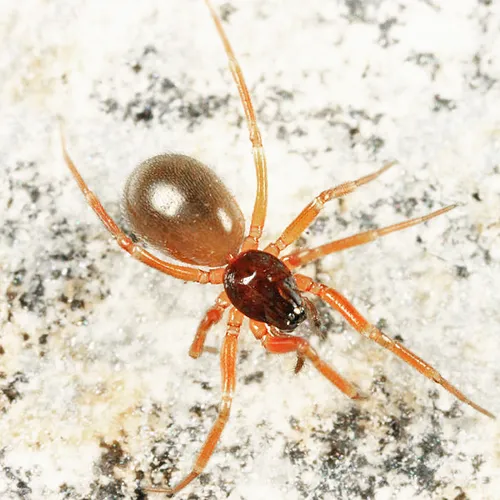
Walckenaeria pallida
Walckenaeria pallida
Identification: "Carapace: orange-red, suffused anteriorly with chestnut brown or black to give a striking contrast . In the male the carapace is elevated anteriorly, the form of the elevation being somewhat variable; the elevation has a dense coveri
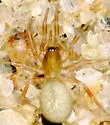
Walckenaeria palustris
Walckenaeria palustris
Identification: "Carapace: brown, with dusky markings and margins . The male lobe is constricted behind the fork. Abdomen: gray-black. Legs: brown to orange-brown. Epigynum
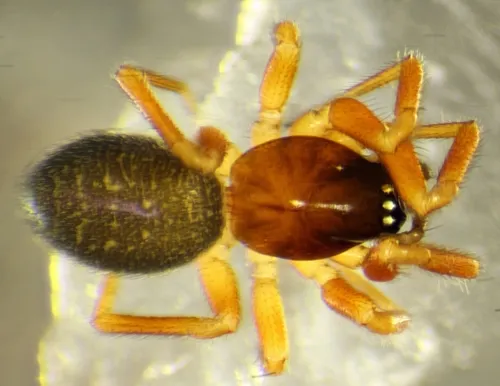
Spiraling Sheet-web Weaver
Walckenaeria spiralis
Identification: "Carapace: orange-brown to brown, often darkened anteriorly; male carapace not raised behind the eyes. Abdomen: black. Legs: orange to orange-brown." Epigynum
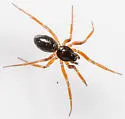
Walckenaeria subdirecta
Walckenaeria subdirecta
Identification: This species can be separated by other similar species by the closely spaced striae on the cheliceral file. In the past W. directa has not been differentiated from its sibling species W. subdirecta .
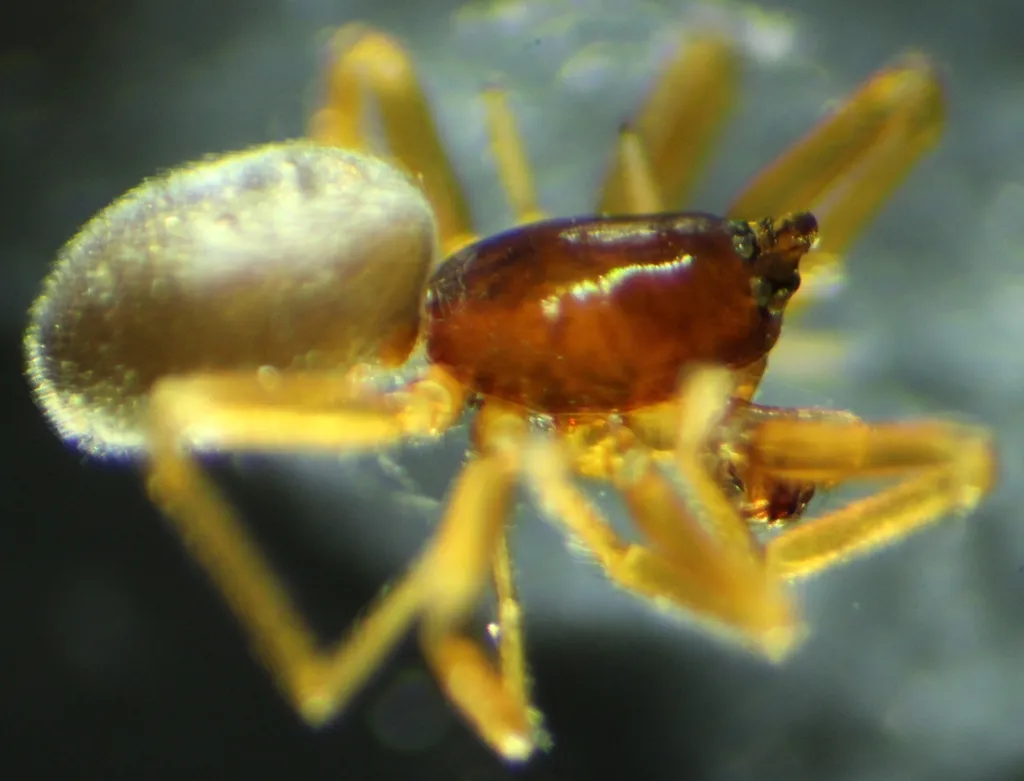
Walckenaeria tibialis
Walckenaeria tibialis
Identification: "Carapace: deep chestnut brown. The male has a stout horn anteriorly; the length of the horn is somewhat variable. There is a clump of stout spatulate hairs between the base of the horn and the posterior eyes . Lines of minute pits ra
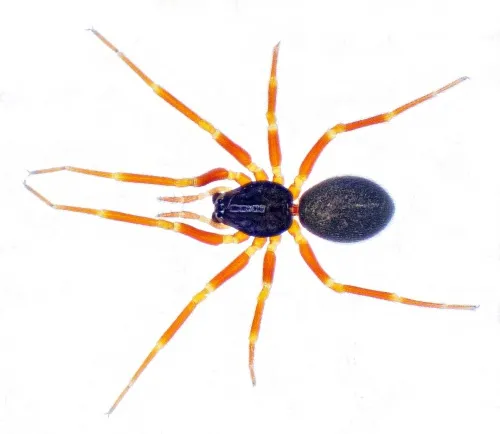
Walckenaeria unicornis
Walckenaeria unicornis
Males 1.8 to 2.2 mm, females 2.0 to 3.1 mm, dark (almost black) body, red-orange legs with pale annulations. Microscopic examination of genitalia is required to confirm identity. Widespread throughout England and Wales. http://srs.britishspiders.org.
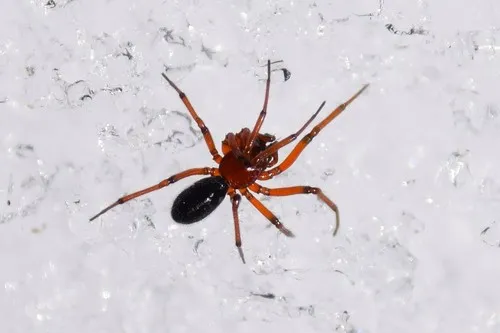
Zornella armata
Zornella armata
Identification: Palp (ventral, retrolateral, mesal, dorsal) Epigynum "Specimens reported as Zornella cultrigera (L. Koch 1879c:11) in North America are misidentifications of Zornella armata ." P. Paquin et al (2010) Checklist of the spiders (Araneae)
Anthrobia acuminata
Anthrobia acuminata
Baryphyma trifrons
Baryphyma trifrons
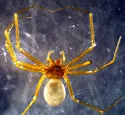
Bathyphantes weyeri
Bathyphantes weyeri
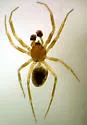
Centromerus persolutus
Centromerus persolutus
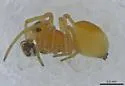
Ceraticelus artemisiae
Ceraticelus artemisiae
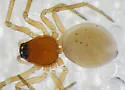
Ceraticelus crassiceps
Ceraticelus crassiceps
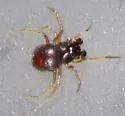
Ceraticelus laticeps
Ceraticelus laticeps
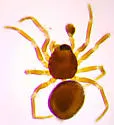
Ceraticelus minutus
Ceraticelus minutus
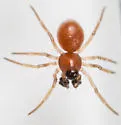
Ceraticelus similis
Ceraticelus similis
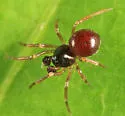
Ceratinella brunnea
Ceratinella brunnea
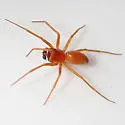
Ceratinopsidis formosa
Ceratinopsidis formosa
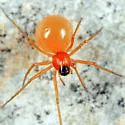
Ceratinopsis interpres
Ceratinopsis interpres
Ceratinopsis labradorensis
Ceratinopsis labradorensis
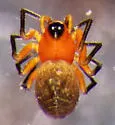
Ceratinopsis nigriceps
Ceratinopsis nigriceps