
Family Brown Lacewings (Hemerobiidae)
Hemerobiidae is a family in the order Neuroptera. Browse 29 named species recorded in this family, or open an individual profile for its available identification and natural-history information.
Species in Hemerobiidae (29)
Hemerobius conjunctus
Hemerobius conjunctus
Identification: Head dark, wing margin without conspicuous dark and light spots but with heavy interior maculations, and basal cross-vein at or near first fork of MP.
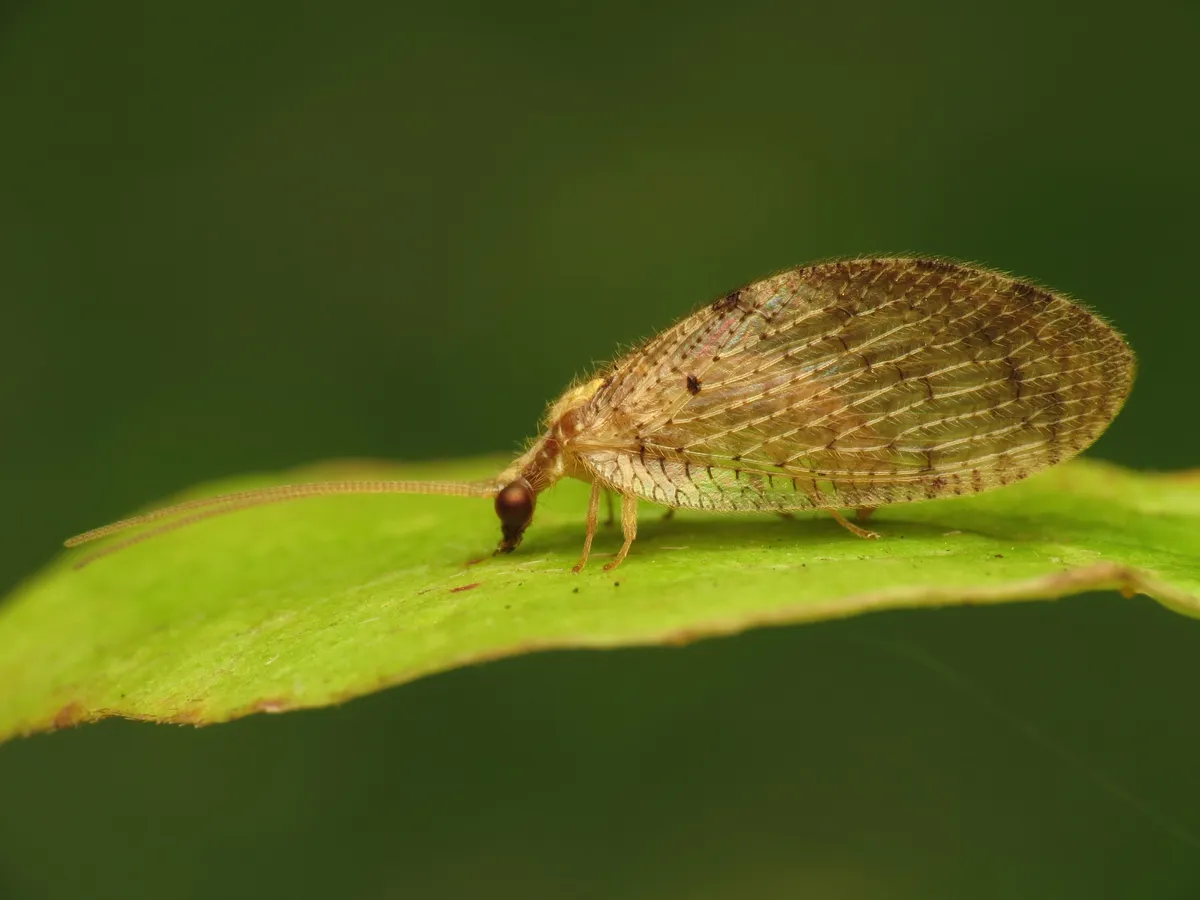
Hemerobius humulinus
Hemerobius humulinus
Identification: Within the eastern range (particularly southeastern), the broad pale stripe on the thorax and lack of pigmented pterostigmas separate it from the other widespread species, H. stigma . Caution: many (!) other species have a yellowish s
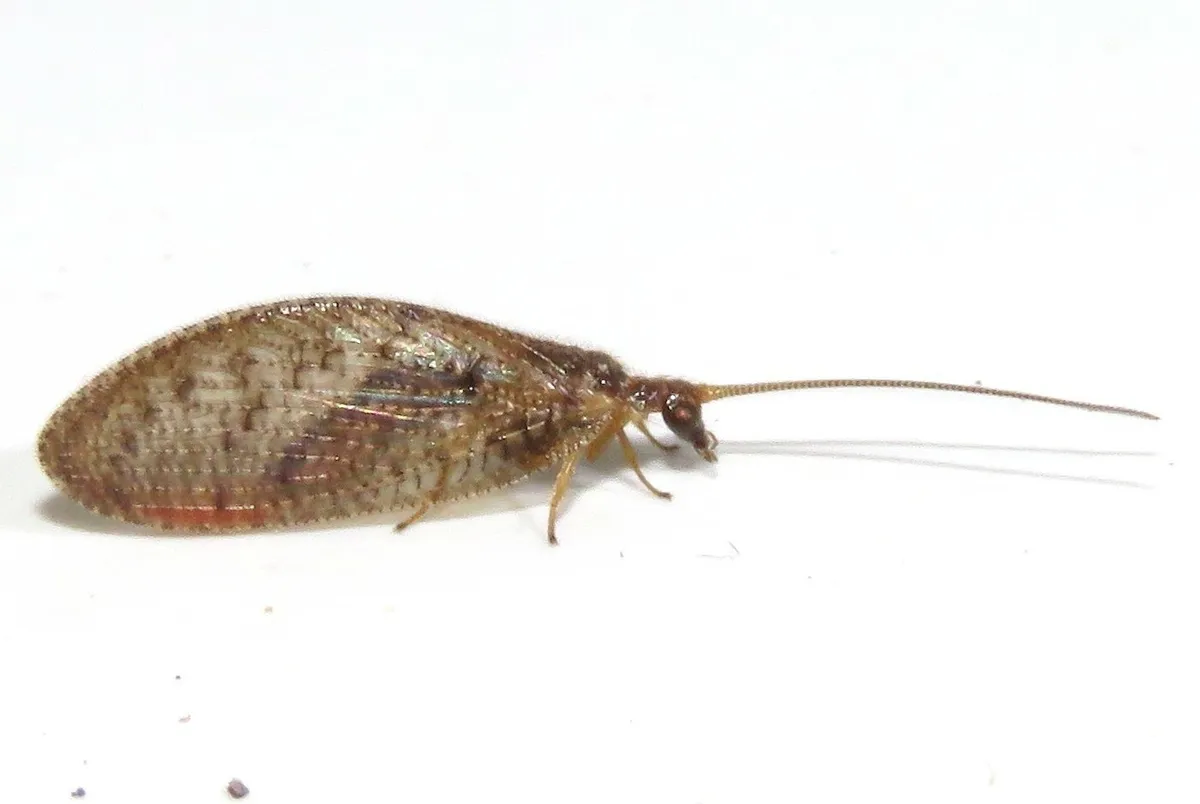
Hemerobius stigma
Hemerobius stigma
Identification: Noted for a distinctive, broad orange-brown pterostigma especially on the hind wings , dark spot at the basal crossvein between veins M3+4 and Cu1, and more unicolored thorax. (see Meinander, 1962 ) Highly variable in terms of wing ma
Megalomus angulatus 0
Megalomus angulatus
Easily confused with one form of M. moestus . The population previously reported from Mexico has been reassigned to M. moestus . ( 3 )
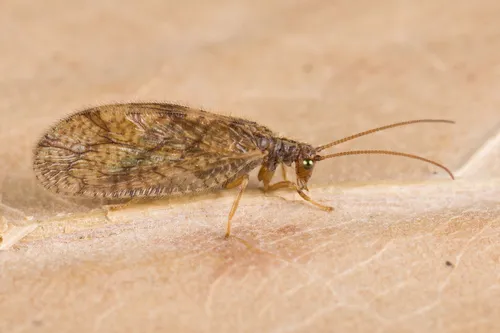
Micromus angulatus
Micromus angulatus
To the extent that we can tell, M. angulatus is probably naturally Holarctic. The genus Micromus is subcosmopolitan, with species nearly everywhere, except, interestingly, South America. There are a number of endemic species of Micromus in North Amer
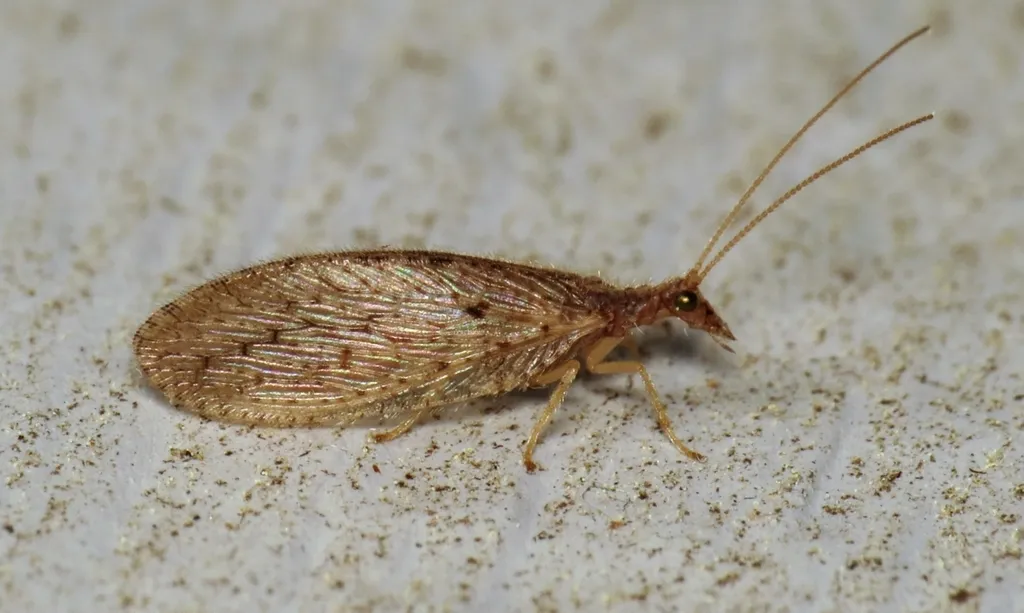
Micromus subanticus
Micromus subanticus
Identification: Forewing with inner gradate veins separated by a distance greater than their length. Face with conspicuous dark markings. Larvae described by Krakaur & C. Tauber. Anacharis parasitize the larvae.
Psectra diptera
Psectra diptera
The status of P. diptera is uncertain, but it is almost certainly an introduction. All of the other species of Psectra are Old World (mostly Afrotropical, Australian and Oriental, with a number of species in Oceania); P. diptera is the only one in Eu
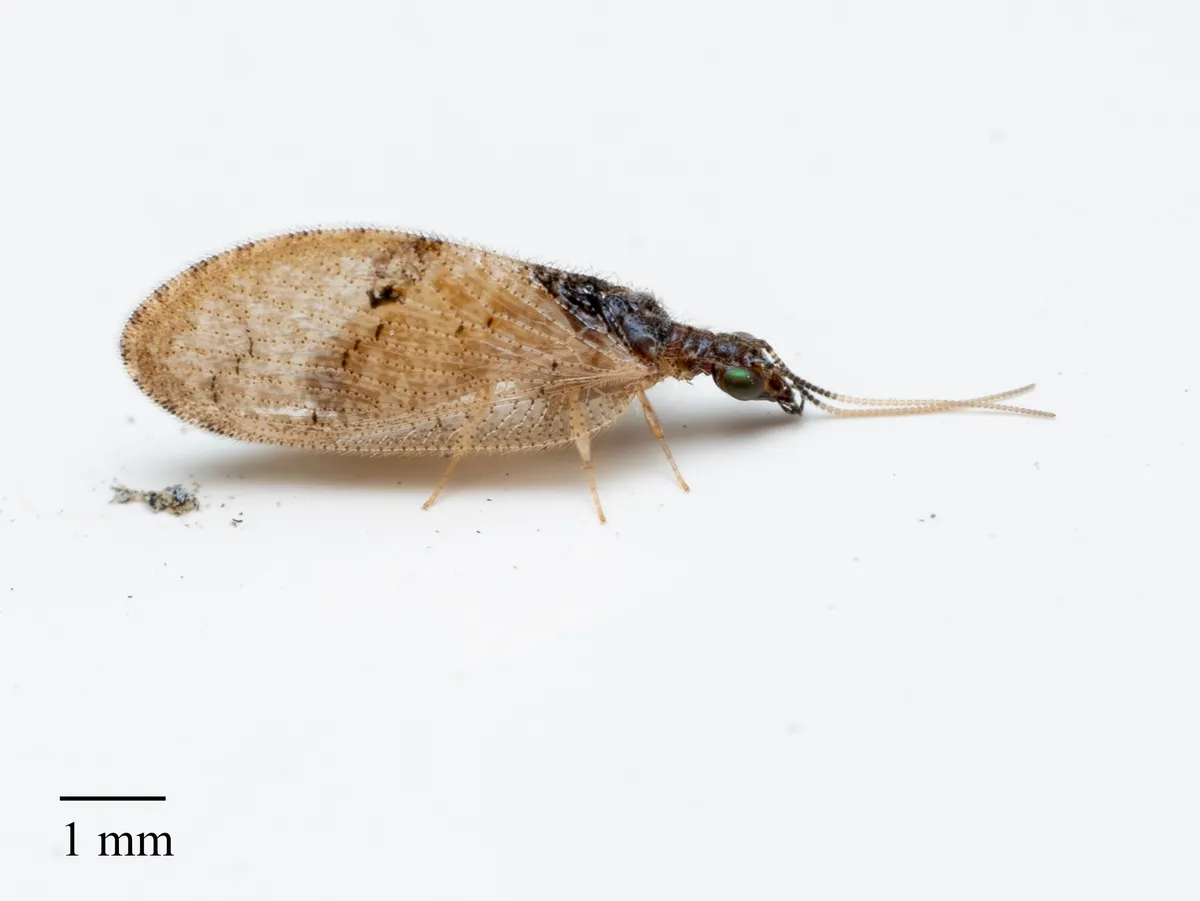
Barber's Brown Lacewing
Sympherobius barberi
Identification: Very similar to S. amiculus , often only distinguishable by the lack of a distal radial crossvein.
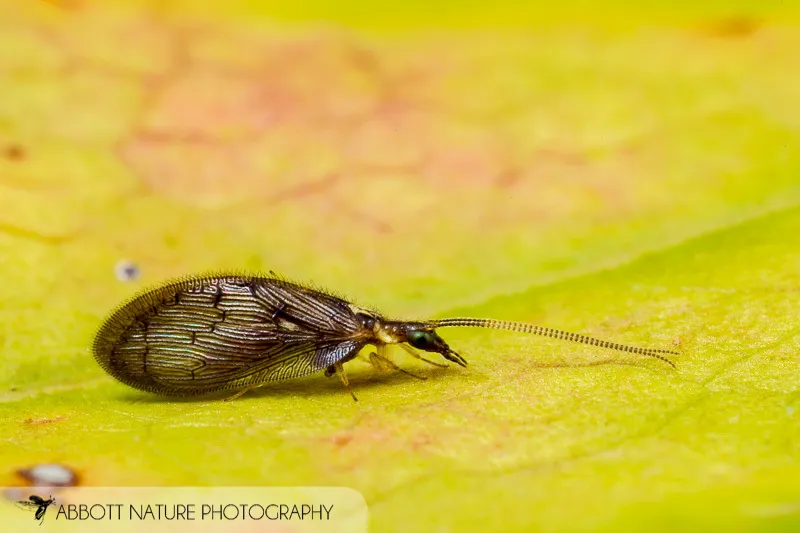
Sympherobius occidentalis
Sympherobius occidentalis
Identification: "The yellow v-shaped mark on the mesothorax is diagnostic" - J.D. Oswald
Hemerobius bistrigatus
Hemerobius bistrigatus
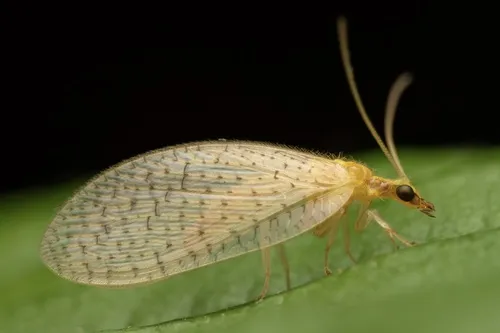
Hemerobius micans
Hemerobius micans
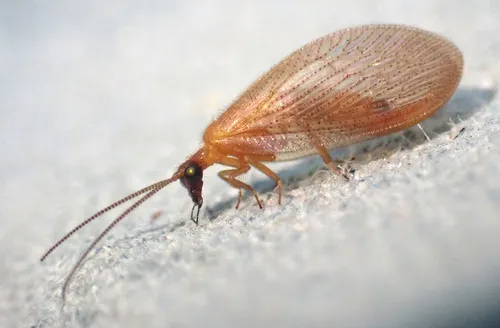
Hemerobius nitidulus
Hemerobius nitidulus
Megalomus carpenteri
Megalomus carpenteri
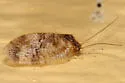
Megalomus fidelis
Megalomus fidelis
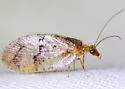
Megalomus minor
Megalomus minor
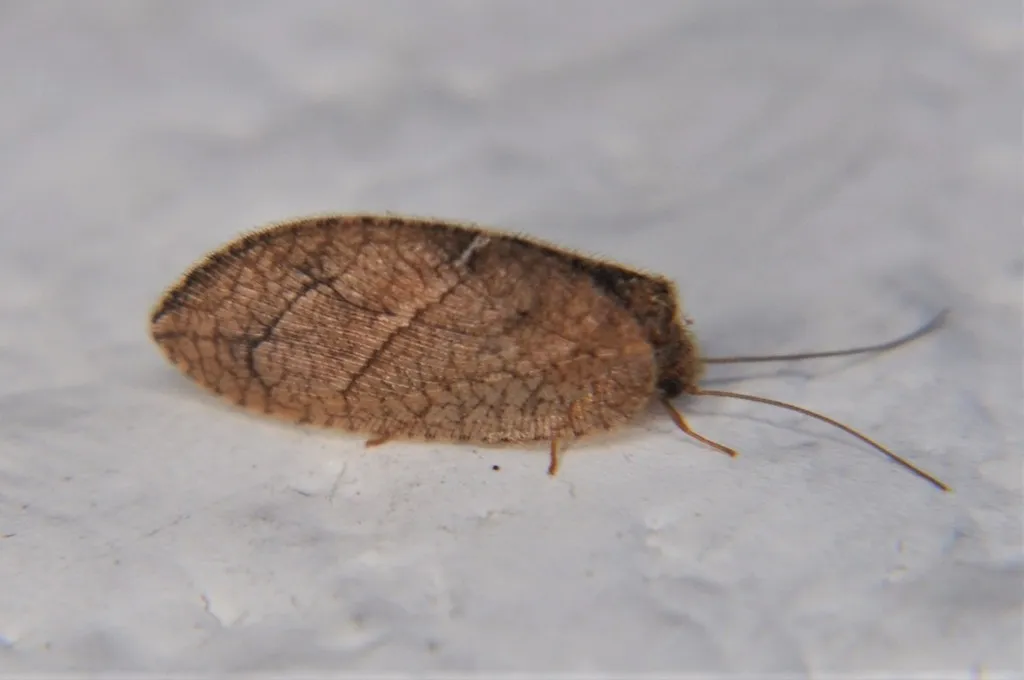
Megalomus moestus
Megalomus moestus
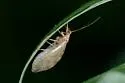
Micromus borealis
Micromus borealis
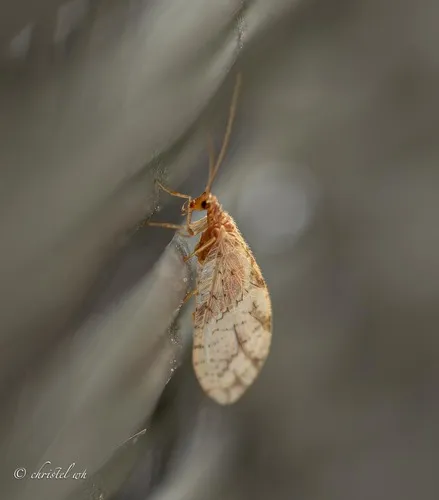
Micromus paganus
Micromus paganus
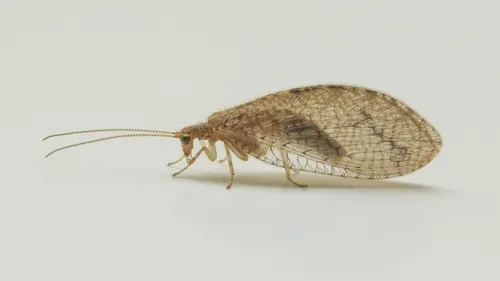
Small Brown Lacewing
Micromus posticus
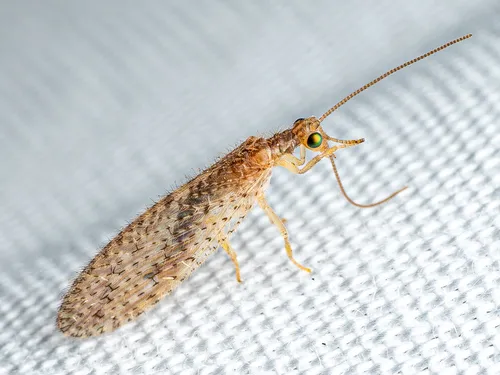
Tasmanian Brown Lacewing
Micromus tasmaniae
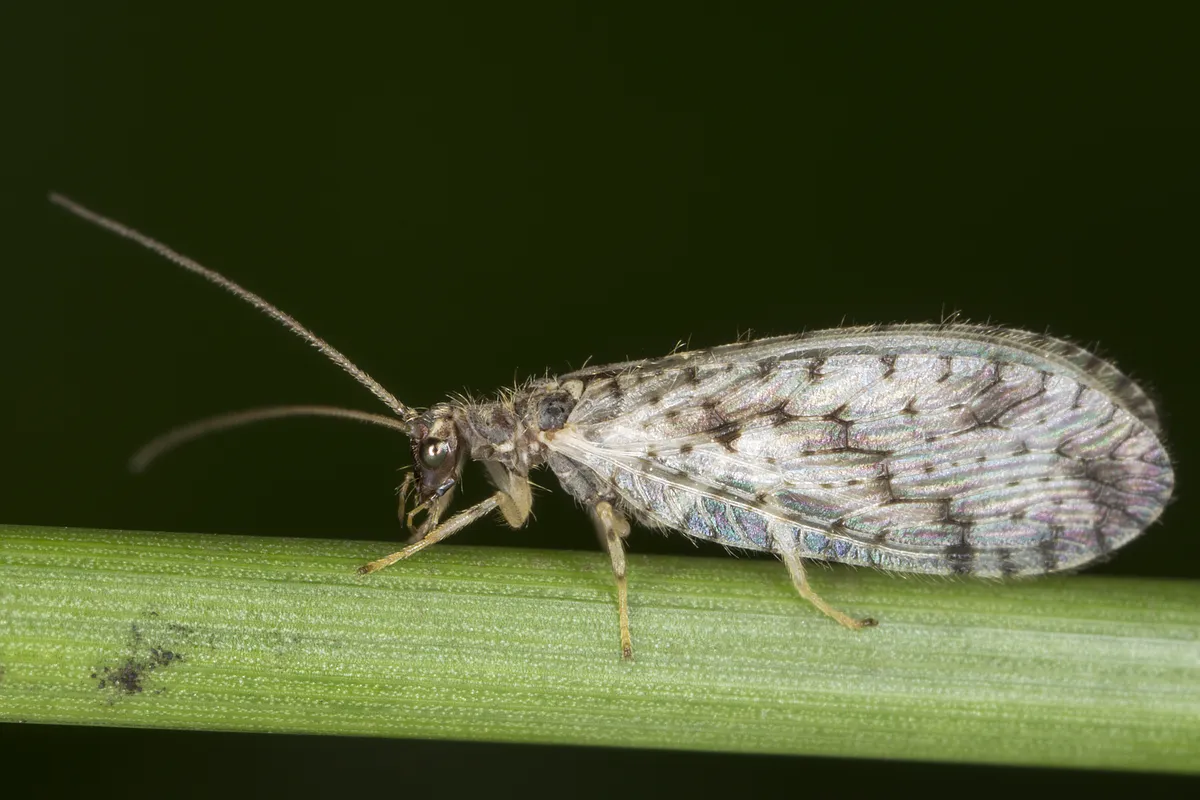
Micromus variegatus
Micromus variegatus
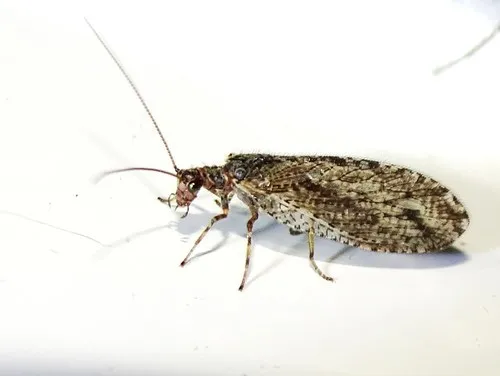
Micromus variolosus
Micromus variolosus
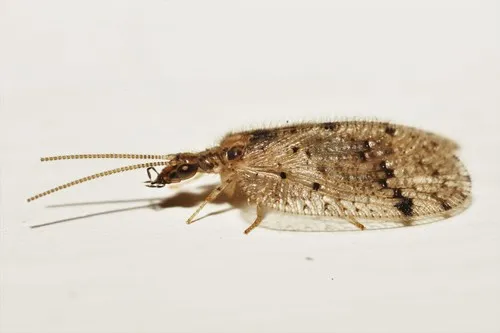
Psectra nakaharai
Psectra nakaharai
Sympherobius amiculus
Sympherobius amiculus
Sympherobius californicus
Sympherobius californicus
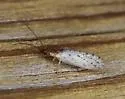
Sympherobius perparvus
Sympherobius perparvus
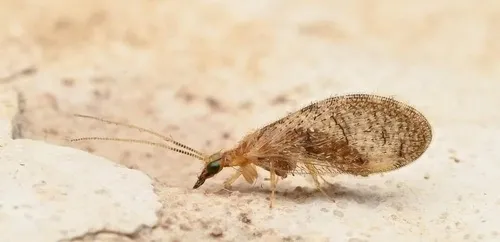
Sympherobius pygmaeus
Sympherobius pygmaeus
Sympherobius umbratus
Sympherobius umbratus
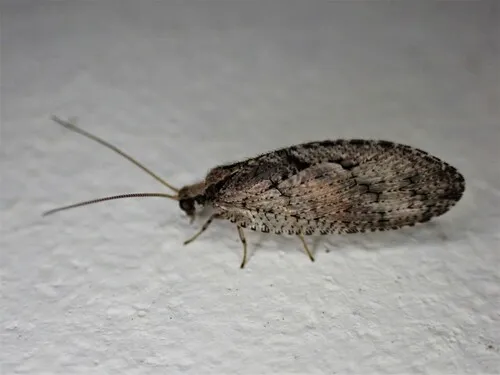
Wesmaelius subnebulosus
Wesmaelius subnebulosus