
Family Typical Leafhoppers (Cicadellidae)
Cicadellidae is a family in the order Hemiptera. Browse 1,971 named species recorded in this family, or open an individual profile for its available identification and natural-history information.
Species in Cicadellidae (1,971)
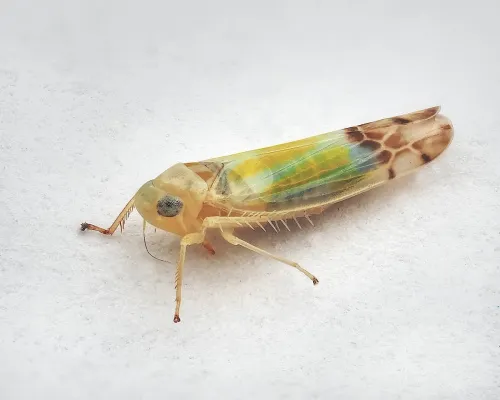
Ribautiana tenerrima sensu stricto
Ribautiana tenerrima sensu stricto
Length 3 to 3.5 mm. A yellow leafhopper with oblique white lines along the length of the forewing. The forewing apex has greyish marking and spots. Markings can be quite faint; to confirm identification, dissection of male genitalia is needed. If thi
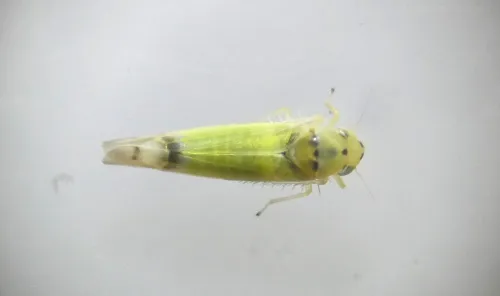
Ribautiana ulmi
Ribautiana ulmi
Length 3.5 to 4 mm. A yellow leafhopper associated with elm; with grey markings/spots at forewing apex. Two black spots on the vertex, and one on the midline at the front of the pronotum. Ribautiana debilis can have similar markings on vertex and pro
Rossmoneura carbonata
Rossmoneura carbonata
Identification: "darker than the similar R. tecta " - Andy Hamilton
Rugosana manua
Rugosana manua
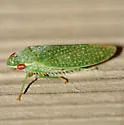
Identification: "A broad-headed species, resembling ampliata in form and appearance but smaller and with distinct genitalia. Vertex broadly rounded, more than twice as wide between eyes at base as median length. Pale green mottled with white and oran
Rugosana querci
Rugosana querci
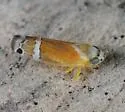
Identification: "Resembling rugosa in form and general appearance but with distinct genitalia. Vertex produced and rather broadly rounded, almost twice as wide between eyes as median length. Pale yellow with traces of longitudinal orange bands on ver
Sanctanus orbiculatus
Sanctanus orbiculatus
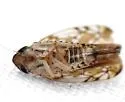
Identification: color pattern very distinctive --Andy Hamilton
Scaphoideus cinerosus
Scaphoideus cinerosus
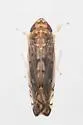
Identification: Note pale forewing and head markings and grayish coloration. Very similar to members of the informal crassus group, but with sparser markings. One of the most variable species in the genus, according to Barnett . Usually ashy-gray/gra
Scaphoideus major
Scaphoideus major
"I suspect there is some variation in genitalia and merus and densus may both be synonyms of major." - J. Kits pers. comm. S. Hendrix
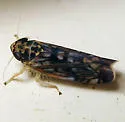
Scaphoideus nigrellus
Scaphoideus nigrellus
"Scaphoideus is a genus that needs a lot of work. I am confident that what [is being called] S. nigrellus is distinct from S. titanus, although I’m not entirely sure nigrellus is the right name for it. We have barcodes which are clearly distinct from
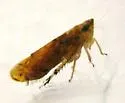
Scaphoideus ochraceus
Scaphoideus ochraceus
Identification: "The palest of our species. Only S. intricatus has as pale a head and thorax, but in that species there are no head markings." --Dr Hamilton's comments at
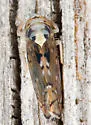
Scaphoideus pullus
Scaphoideus pullus
Identification: "The contrasting color of the dorsum is characteristic." --K.G.A. Hamilton
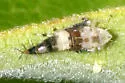
American Grapevine Leafhopper
Scaphoideus titanus
vector of 'Flavescence dorée', a serious disease of grapevine, caused by Candidatus Phytoplasma vitis
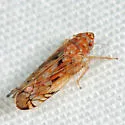
Scaphoideus veterator
Scaphoideus veterator
Identification: Generally has a more produced head than the similar S. carinatus
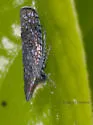
Sharp-nosed Leafhopper
Scaphytopius acutus
Identification: This is the common brown, pointed-headed leafhopper with a contrastingly yellow face (ventrally). Vector of Soybean bud proliferation and Western X-disease phytoplasma ( 3 )
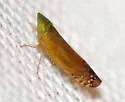
Scaphytopius angustatus
Scaphytopius angustatus
Identification: Ochreous-yellow with the markings ochreous-brown, the veins in the costal and apical regions of the forewings dark brown, and with rounded whitish areas in the cells and costal region
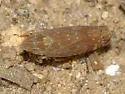
Scaphytopius cinnamoneus
Scaphytopius cinnamoneus
Identification: Vertex and thorax light ochreous with the markings brown. Forewings pale ochreous-yellow, irrorated with dark brown and with rounded, whitish areas in the cells and costal region. This species is normally less heavily dark-marked than
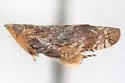
Scaphytopius diabolus
Scaphytopius diabolus
Identification: HOLOTYPE Type: Described from one male and four females taken on Mt. Diablo, [Contra Costa Co.], California, July 14, 1916.
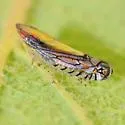
Scaphytopius elegans
Scaphytopius elegans
Identification: The broad, yellow vitta on dorsum readily separates this species from any other in the genus. Det. Kyle Kittelberger, 2015
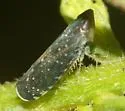
Yellowfaced Leafhopper
Scaphytopius frontalis
Identification: Vertex and thorax pale yellow, heavily marked with deep fuscous-brown so as to appear largely dark; forewing ochreous, closely irrorated with deep fuscous-brown so as to appear largely that color, with diagonal whitish areas in the co
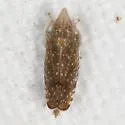
Scaphytopius latus
Scaphytopius latus
Identification: Yellowish-ochreous with the markings darker ochreous, brown, or fuscous; forewings with the veins of the costal region dark brown and with rounded, whitish areas in the cells and costal region. There is much variation, from dull ochrc
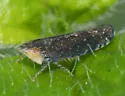
Scaphytopius loricatus
Scaphytopius loricatus
Identification: Allied to nasutus but sometimes smaller and showing strong indications of the frontal irrorations found in fuscifrons . Face in typical examples entirely pale yellow. Vertex shorter than in nasutus but longer than in frontalis ; its m
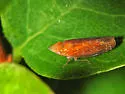
Scaphytopius oregonensis
Scaphytopius oregonensis
Identification: Almost wholly brown, the ochreous ground color visible only as small areas at and near the apex of the vertex and at the sides of the scutellum; forewing with the veins of the costal and apical regions dark brown, with rounded, whitis
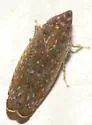
Scaphytopius verecundus
Scaphytopius verecundus
Identification: Allied to irroratus and obscurus but with a longer vertex than in either.
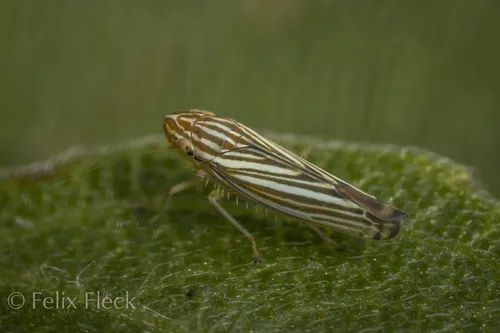
Sibovia compta
Sibovia compta
Identification: For images of specimens of this species, see: http://naturalhistory.museumwales.ac.uk/sharpshooters/browserecord.php?-recid=40 . It seems that we have representations of all 3 color forms represented on that site. potential vector of
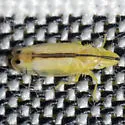
Two-spotted Leafhopper
Sophonia orientalis
Identification: Adults are yellow with a brown stripe down the center of the back and two prominent eye spots on the tail end; its real eyes being concolorous with the body, the bug seems to be moving backwards when walking. (Jones et al.) earliest N
Spangbergiella vulnerata
Spangbergiella vulnerata
Identification: head strongly flattened, with sharp edge; oblique red lines on head are distinctive
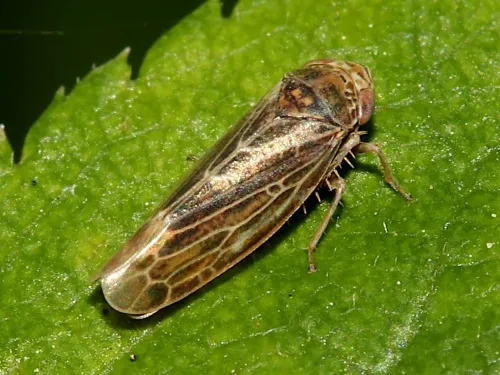
Speudotettix subfusculus
Speudotettix subfusculus
Length 5 to 6 mm. Brown forewings with paler veins, two dark lines at the tip of the vertex with an orange-brown transevese band behind. Good qulaity photographs, taken from side, top and face, and c l early showing vertex and pronotum . Common. (ref
Stirellus bicolor
Stirellus bicolor
Identification: Distinguished from other greyish leafhoppers by very narrow head, with eyes separated by only their own width. Two color forms; one occurs in cooler temperatures, the other in hot summers. The bright colors are brought out by longer d
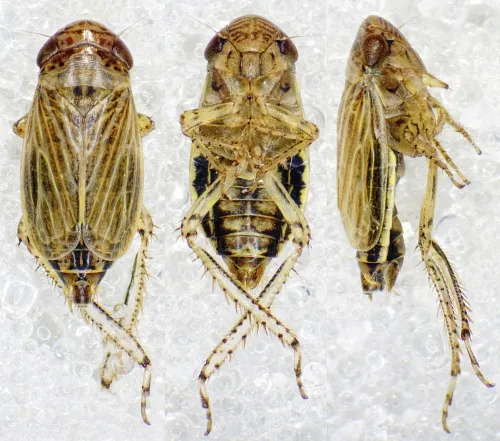
Streptanus aemulans
Streptanus aemulans
Length 4.5 - 6mm. A very variable brown species with paler wing veins. It is usually short-winged and often has dark longitudinal stripes on the abdomen beyond the wing-tips - but this is not always present. Dissection of male to examine internal gen
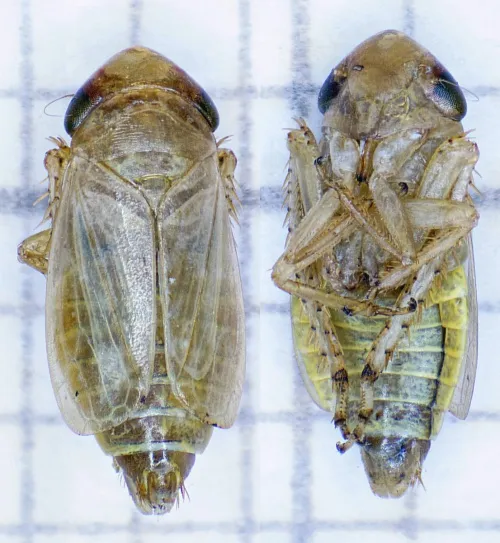
Streptanus sordidus
Streptanus sordidus
Length 4.5 to 6 mm. A very variable brown species with paler wing veins; often with dark mottling in wing cells. Dissection of male to examine internal genitalia - the aedeagus - is needed to confirm identification. other Streptanus, and other Deltoc
Stroggylocephalus mixtus
Stroggylocephalus mixtus
Identification: Ocelli slightly above the margin of the crown.
Texananus caducus
Texananus caducus
Identification: " T. caducus has the small head and elongate wings of subgenus Iowanus ; the female pregenital sternite separates it from the few species in this subgenus by the deep, V-shaped notch that is not flanked by prominent spines." (Andy Ham
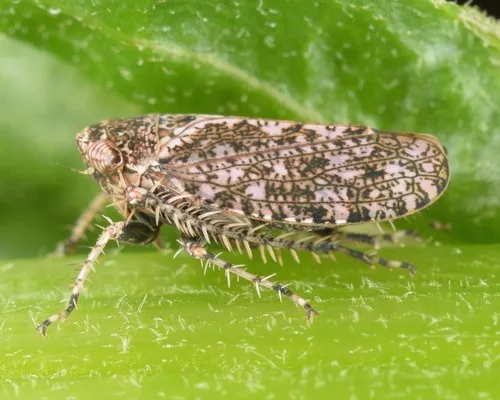
Texananus decorus
Texananus decorus
Identification: A rather short, robust species with flaring elytra. Vertex broadly, roundedly angulate, about one-third longer on middle than against the eyes. Color white marked with tawny, a transverse pale band on vertex. Elytral commissural line
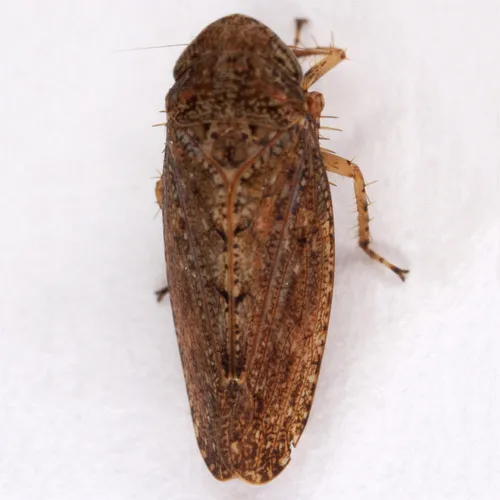
Texananus oregonus
Texananus oregonus
Identification: Vertex bluntly angled, about two-thirds as long at middle as basal width between the eyes. Color brown with black markings at ends of claval veins along posterior margins of elytra.
Texananus ovatus
Texananus ovatus
Identification: A small species, broad, short, ovate with a rather uniform brownish color ● Vertex bluntly angled, median length ● Color dull yellowish with brownish irrorations ● southeastern color form distinctus (Lathrop) is ivory white marked wit
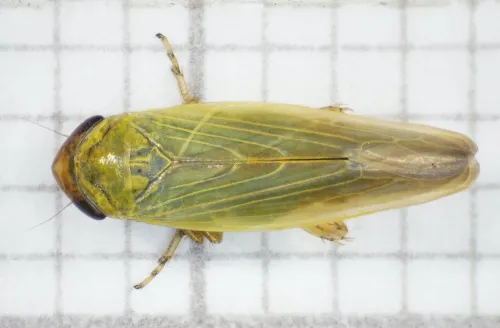
Thamnotettix confinis
Thamnotettix confinis
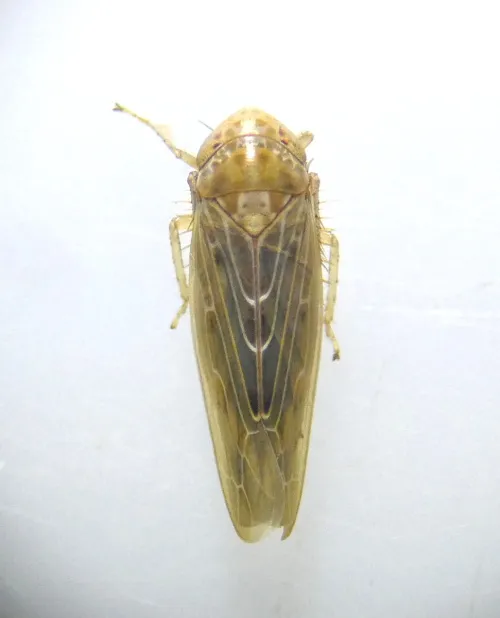
Length 5 to 6.5 mm. A large greenish leafhopper associated with trees and shrubs. Common. (ref.: UK Auchenorrhyncha checklist 2021 on British Bugs website) https://www.britishbugs.org.uk/homoptera/Cicadellidae/Thamnotettix_confinis.html No additional
Thamnotettix dilutior
Thamnotettix dilutior
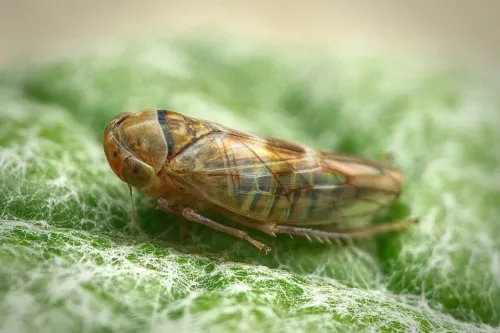
Length 6 to 7 mm. A large leaf hopper associated with deciduous trees. Yellow-brown in colour with pale wing-veins and orange marks on vertex and pronotum. Good quality photos, from side, top and front, showing vertex and face. Common. (ref.: UK Auch
Tremulicerus distinguendus
Tremulicerus distinguendus
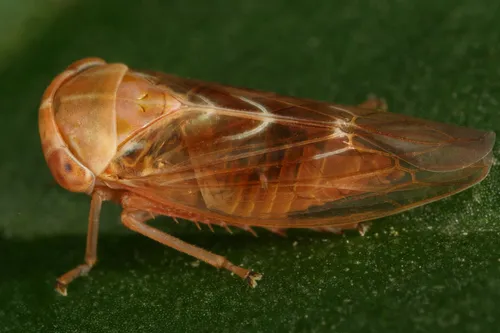
Length 4.5 to 5.5 mm. A pale greyish-yellow leafhopper associated with White poplars. There are two lighter bars across the forewing. Between these, the darker band does not reach the costal margin (the lower edge of the wing when the insect is viewe
Tremulicerus fulgidus
Tremulicerus fulgidus
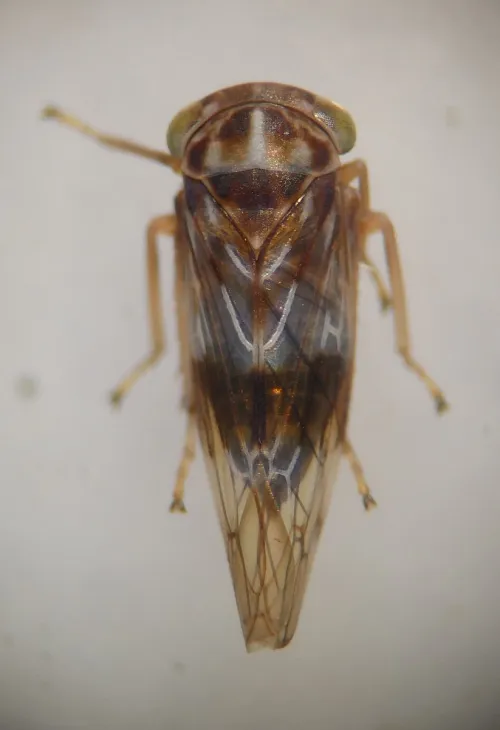
Records of this species in the U.S. likely refer to a Populicerus species. "Specimens Andy identified as this species are actually Populicerus nitidissimus . nitidissimus was formerly considered a junior synonym of fulgidus until Wagner in 1961 exami
Tremulicerus tremulae
Tremulicerus tremulae
Length 5 to 6 mm. A pale leafhopper with a prominent transverse dark band on the forewings, associated with Aspen or White Poplar. Males have a pale face; females have chestnut brown above the ocelli. Forewing veins are dark towards the wing apex, an
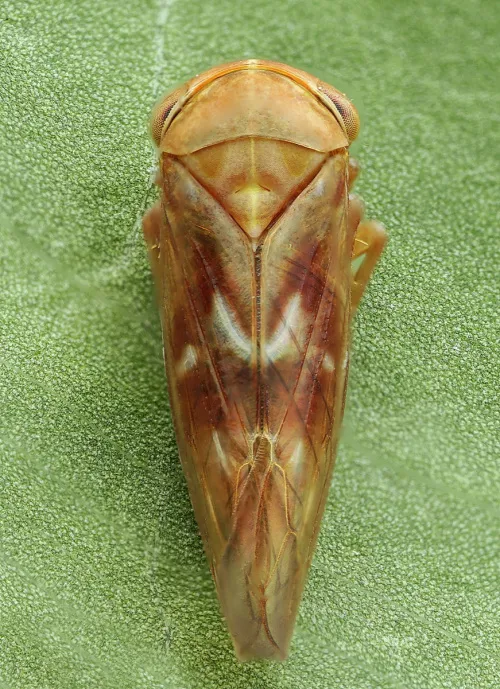
Tremulicerus vitreus
Tremulicerus vitreus
Length 4.5-6mm. A large orange/yellow-brown leafhopper associated with Black Poplar and its hybrids. It may have a pinkish tint or golden sheen. Usually a pale mid-line on the pronotum and top of the face. Close examination of a specimen is needed. P
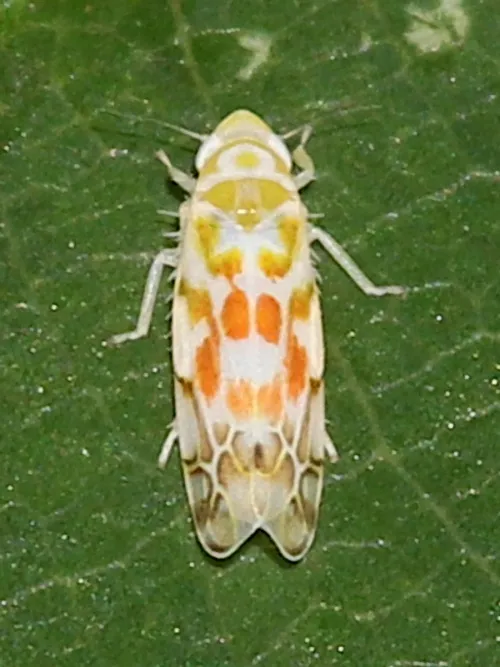
Typhlocyba quercus
Typhlocyba quercus
Length 3 to 3.5 mm. The pattern of orange and yellow spots and darker marks at wing apex is unique in UK leafhoppers. Mianly Oak, plus Hornbeam, Plum, Blackthorn and Birch. Common (ref: UK Auchenorrhyncha checklist 2021 ) Few records for such a disti
Unoka gillettei
Unoka gillettei
Identification: the black and white bands are distinctive, as is the bluntly rounded head much wider than the thorax --Andy Hamilton
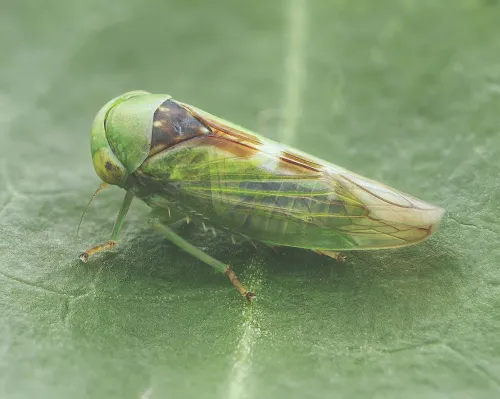
Viridicerus ustulatus
Viridicerus ustulatus
Length 4-5mm. A bright green leafhopper, small than others in this subfamily, with the scutellum and inner margins of the wings dark reddish-brown. The antennae are long. Good photographs of a specmen required; from top, side and face; note host plan
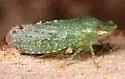
Xerophloea foveolata
Xerophloea foveolata
Identification: A yellowish-brown to green species with a distinctive "hump" at the posterior end of the pronotum. "Crown with anterior margin broadly angular, not produced anteriorly; interocular width about twice median length. Pronotum with median
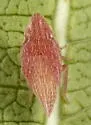
Xerophloea majesta
Xerophloea majesta
Identification: "Crown with anterior margin distinctly angulate (much more so than in major ) strongly produced anteriorly; interocular width about 1.5 times median length. Pronotum with median length about equal to or slightly greater than median le
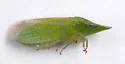
Xerophloea major
Xerophloea major
Identification: "Crown with anterior margin broadly rounded, strongly produced anteriorly; disk nearly flat; interocular width about 1.5 times median length. Pronotum with median length slightly greater than median length of crown; width about equal
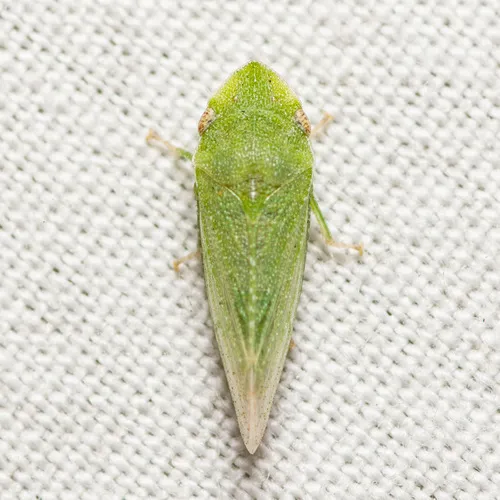
Xerophloea peltata
Xerophloea peltata
Identification: "Crown with anterior margin broadly angulate; interocular width about 1.5 times median length. Pronotum with median length about 1.75 times median length of crown, slightly broader than basal half of head; posterior two-thirds inflate
Xerophloea viridis
Xerophloea viridis
Identification: "Crown with anterior margin angulate, slightly produced anteriorly; interocular width about 1.75 times median length. Pronotum with median length about twice median length of crown, distinctly broader than basal half of head. Body uni
Xestocephalus fulvocapitatus
Xestocephalus fulvocapitatus
Identification: The dorsum is ochre-yellow, and the wing markings are coarser, more checkered than in X. superbus.
Xestocephalus lunatus
Xestocephalus lunatus
the identity of this species is unclear; it may possibly be a synonym of X. superbus . no reliable characters are currently known for differentiating the two species.
Xestocephalus provancheri
Xestocephalus provancheri
Identification: A brown species with unmarked produced vertex Head narrower than pronotum, a little less than twice as wide as long, an eighth longer at middle than next to eye, strongly produced. Pronotum one-fourth longer than vertex, a little more
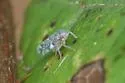
Xestocephalus superbus
Xestocephalus superbus
"This tiny leafhopper is an 'ant-guest', living as an immature in the tunnels of ant nests, where it presumably feeds on the roots of plants. Adults fly around a lot, looking for other ant nests. They are quite common transcontinentally, although sel
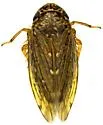
Xestocephalus tucsoni
Xestocephalus tucsoni
Identification: Face brownish black with trace of pale arcs on front, on upper part a dark bat-shaped figure enclosed by light area. Markings of vertex, pronotum and scutellum dark brown to black on tan background; elytra largely semihyaline, with da
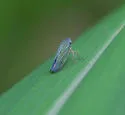
Bermudagrass Leafhopper
Xyphon reticulatum
Identification: coloration highly variable, with wings from green to almost black
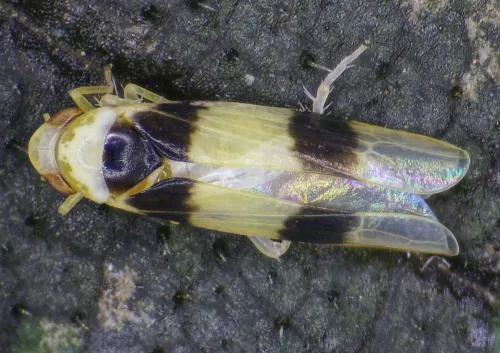
Zonocyba bifasciata
Zonocyba bifasciata
Local (ref: UK Auchenorrhyncha checklist 2021 ) https://www.britishbugs.org.uk/homoptera/Cicadellidae/Typhlocyba_bifasciata.html No additional images available for this species.
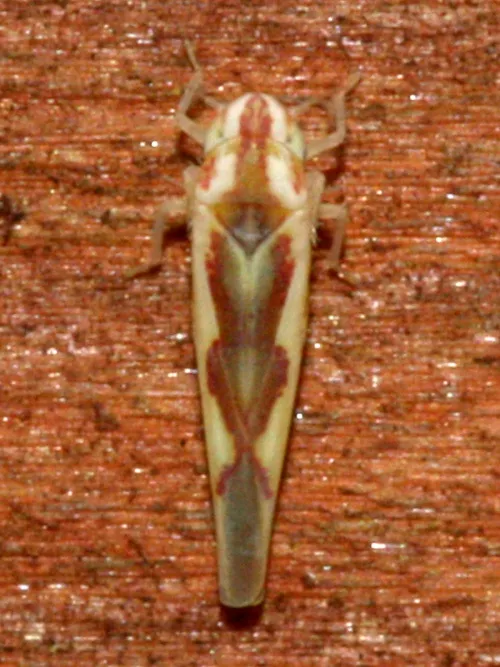
Zygina angusta
Zygina angusta
Length 3 mm. The red zigzag pattern on the forewing rarely reaches the scutellum, and the area of clavus between the zigzag has a dark smoky tint. The scutellum is mostly brown and the hind tarsi of males have a pale basal and adjacent segment. Male
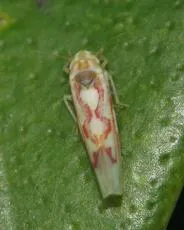
Zygina flammigera
Zygina flammigera
Length 3 mm. Forewings with a red zigzag pattern. The area of the clavus between the red zigzags is pale. and the scutellum is brown. In males, the basal segment and adjacent segment of the rear tarsi are pale and the apical segment and part of the m
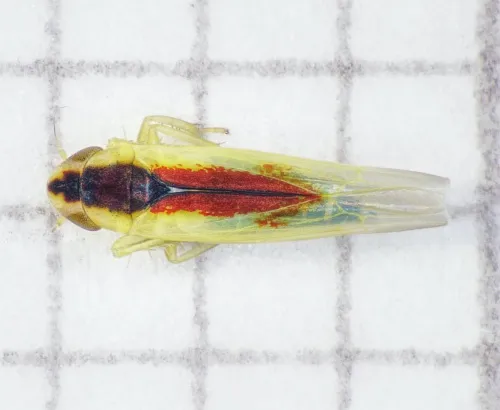
Zygina hyperici
Zygina hyperici
Length: 2 to 3 mm. Zygina hyperci is sexually dimorphic; males are yellow with the apex of the scutellum dark; females are pale yellow and distinctively marked with broad dark red markings covering the majority of the scutellum and clavus. Chalk gras
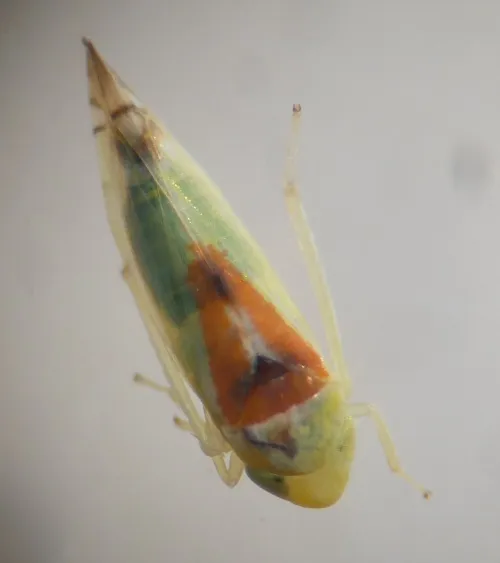
Zyginella pulchra
Zyginella pulchra
Length 3.0 to 3.5 mm. A sexually dimorphic species; males have a red clavus and scutellum which varies in extent and intesity. Females lack the red markings. Both sexes have a greensh-yellow ground colour, a dark spot at wing apex and greyish apical
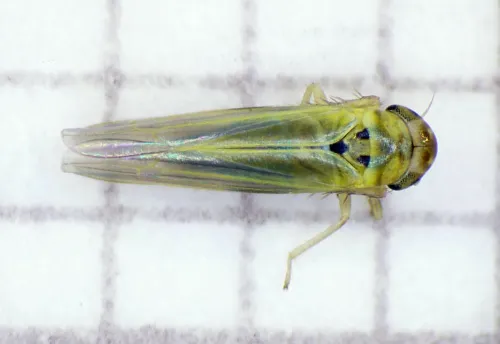
Zyginidia scutellaris
Zyginidia scutellaris
Length 2 to 2.5 mm. A very small leafhopper, yellowish in colour and often with greyish longitudinal stripes on the forewings. The three dark triangles on the scutellum are distinctive. Common (ref: UK Auchenorrhyncha checklist 2021 ) https://www.bri
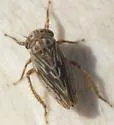
American Clover Leafhopper
Aceratagallia agricola
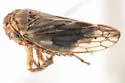
Aceratagallia arida
Aceratagallia arida
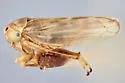
Aceratagallia calcaris
Aceratagallia calcaris
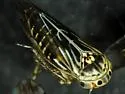
Aceratagallia californica
Aceratagallia californica
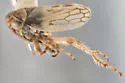
Aceratagallia cerea
Aceratagallia cerea
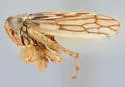
Aceratagallia clino
Aceratagallia clino
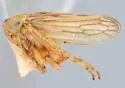
Aceratagallia coma
Aceratagallia coma
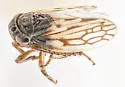
Aceratagallia curta
Aceratagallia curta
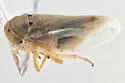
Aceratagallia curvata
Aceratagallia curvata
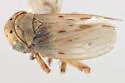
Aceratagallia gallus
Aceratagallia gallus
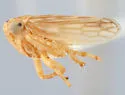
Aceratagallia harrisi
Aceratagallia harrisi
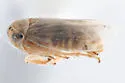
Aceratagallia inconspicua
Aceratagallia inconspicua
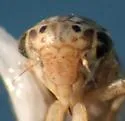
Aceratagallia longula
Aceratagallia longula
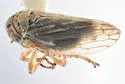
Aceratagallia lophia
Aceratagallia lophia
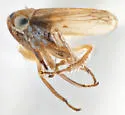
Aceratagallia nana
Aceratagallia nana
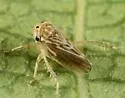
Aceratagallia nanella
Aceratagallia nanella
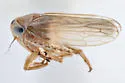
Aceratagallia nitidula
Aceratagallia nitidula
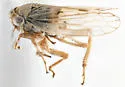
Aceratagallia obscura
Aceratagallia obscura
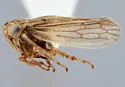
Aceratagallia okanagana
Aceratagallia okanagana
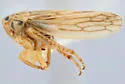
Aceratagallia omani
Aceratagallia omani
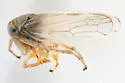
Aceratagallia pallida
Aceratagallia pallida
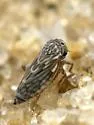
Aceratagallia robusta
Aceratagallia robusta
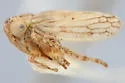
Aceratagallia rossi
Aceratagallia rossi
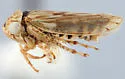
Aceratagallia semiarida
Aceratagallia semiarida
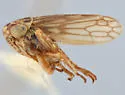
Aceratagallia siccifolia
Aceratagallia siccifolia
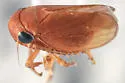
Aceratagallia triunata
Aceratagallia triunata
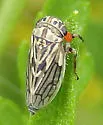
Aceratagallia viator
Aceratagallia viator
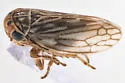
Aceratagallia vulgaris
Aceratagallia vulgaris
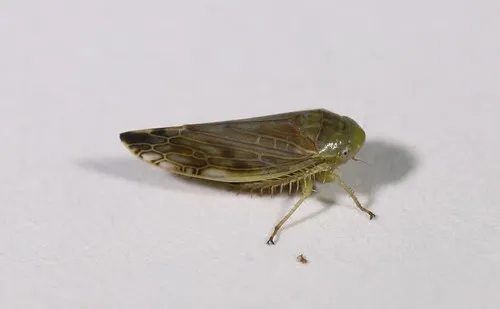
Acinopterus acuminatus
Acinopterus acuminatus
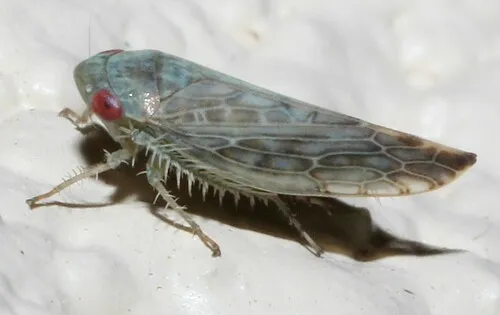
Acinopterus inornatus
Acinopterus inornatus
Acinopterus productus
Acinopterus productus
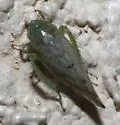
Acinopterus viridis
Acinopterus viridis
Acusana condensa
Acusana condensa
Acusana fastigor
Acusana fastigor
Acusana frondosa
Acusana frondosa
Acusana generosa
Acusana generosa
Acusana insignita
Acusana insignita
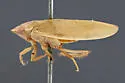
Acusana meditabunda
Acusana meditabunda
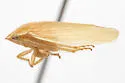
Acusana prostrata
Acusana prostrata