
Family Green Lacewings (Chrysopidae)
Chrysopidae is a family in the order Neuroptera. Browse 61 named species recorded in this family, or open an individual profile for its available identification and natural-history information.
Species in Chrysopidae (61)
Ceraeochrysa cincta
Ceraeochrysa cincta
Identification: Red marks on the sides of the prothorax, antennal scapes with two stripes on the dorsal (upper) surface, flagellum usually pale (variable). The populations described from Florida and Mexico likely represent two separate species within
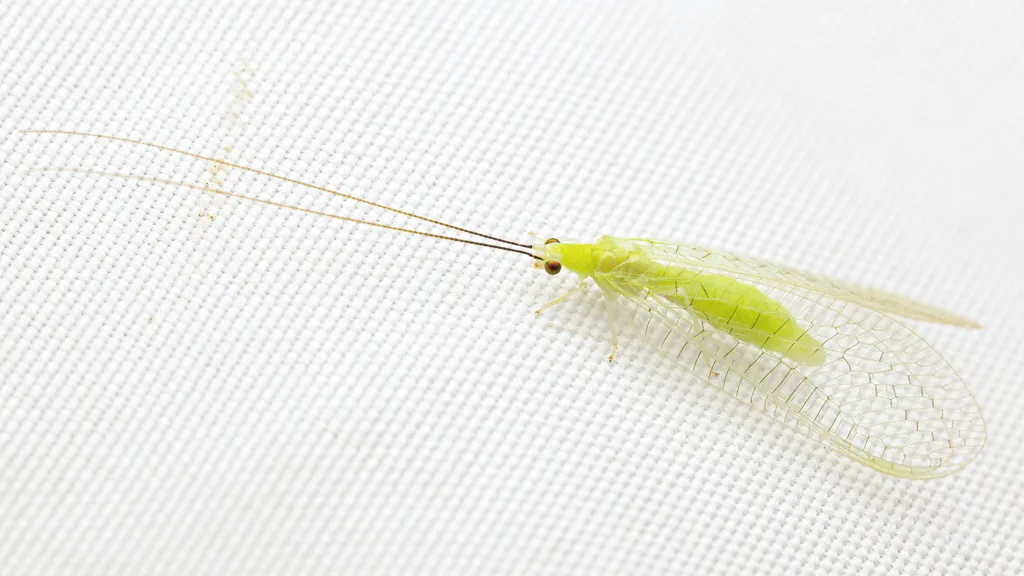
Stripe-horned Green Lacewing
Ceraeochrysa lineaticornis
Identification: Recognizable as a Ceraeochrysa by the unmarked genae , longer antennae, narrow wings, and lack of a dark spot in the pterostigma . C. lineaticornis is further denoted by the darker bases of the antennae, (usually!) black-striped scape
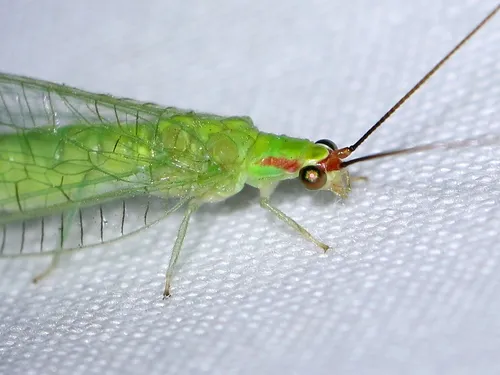
Smith's Green Lacewing
Ceraeochrysa smithi
Identification: Separated from other members of the genus by the entirely red dorsal surface of the scapes, extending onto the vertex as triangular marks. Like many of our other species in the genus ( C. cubana , C. cincta , & C. valida ), the sides
X-marked Green Lacewing
Chrysopa chi
Identification: Adults Wing venation separates Chrysopa from similar Chrysoperla . C. chi has an X-shaped mark between the antennal bases, two spots on top of head, and pronotum with 3 pairs of dark spots. Larvae The head capsule is marked with 3 spo
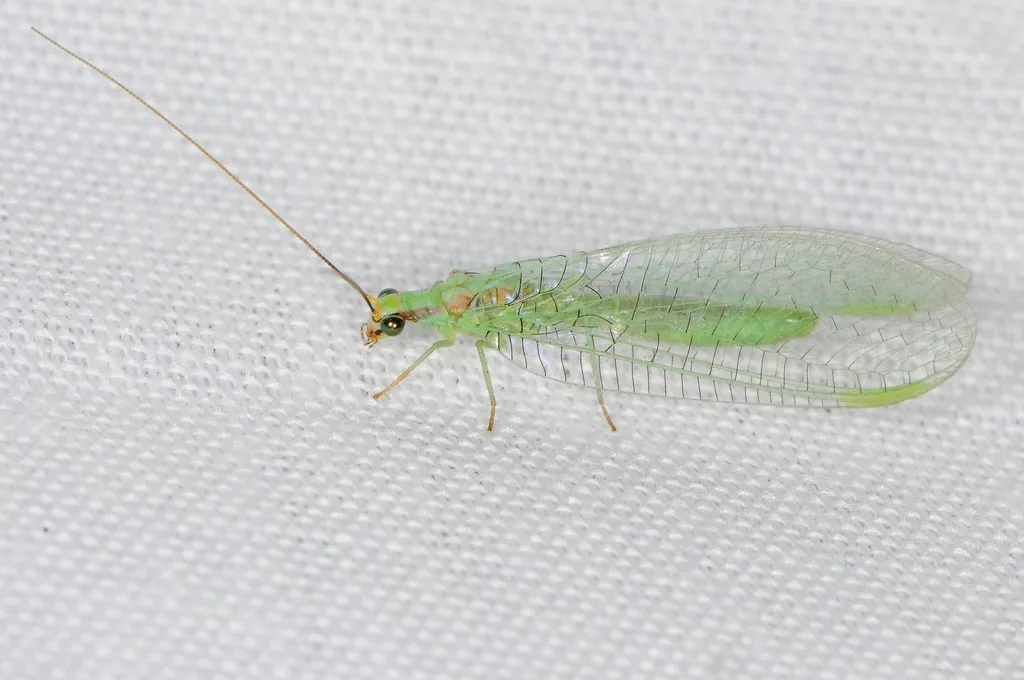
Chrysopa coloradensis
Chrysopa coloradensis
Identification: C. coloradensis is distinctive in the broad red stripes extending from behind the eyes down the length of the thorax. The face is marked with a black loop under the base of each antenna, and the genae have a broad black stripe.
Chrysopa incompleta
Chrysopa incompleta
Identification: C. incompleta has a pale pedicel as opposed to the dark pedicel of C. oculata . "Note two dark stripes on vertex of head and four large dark marks on pronotum, two on each side, sometimes joined." - J.D. Oswald
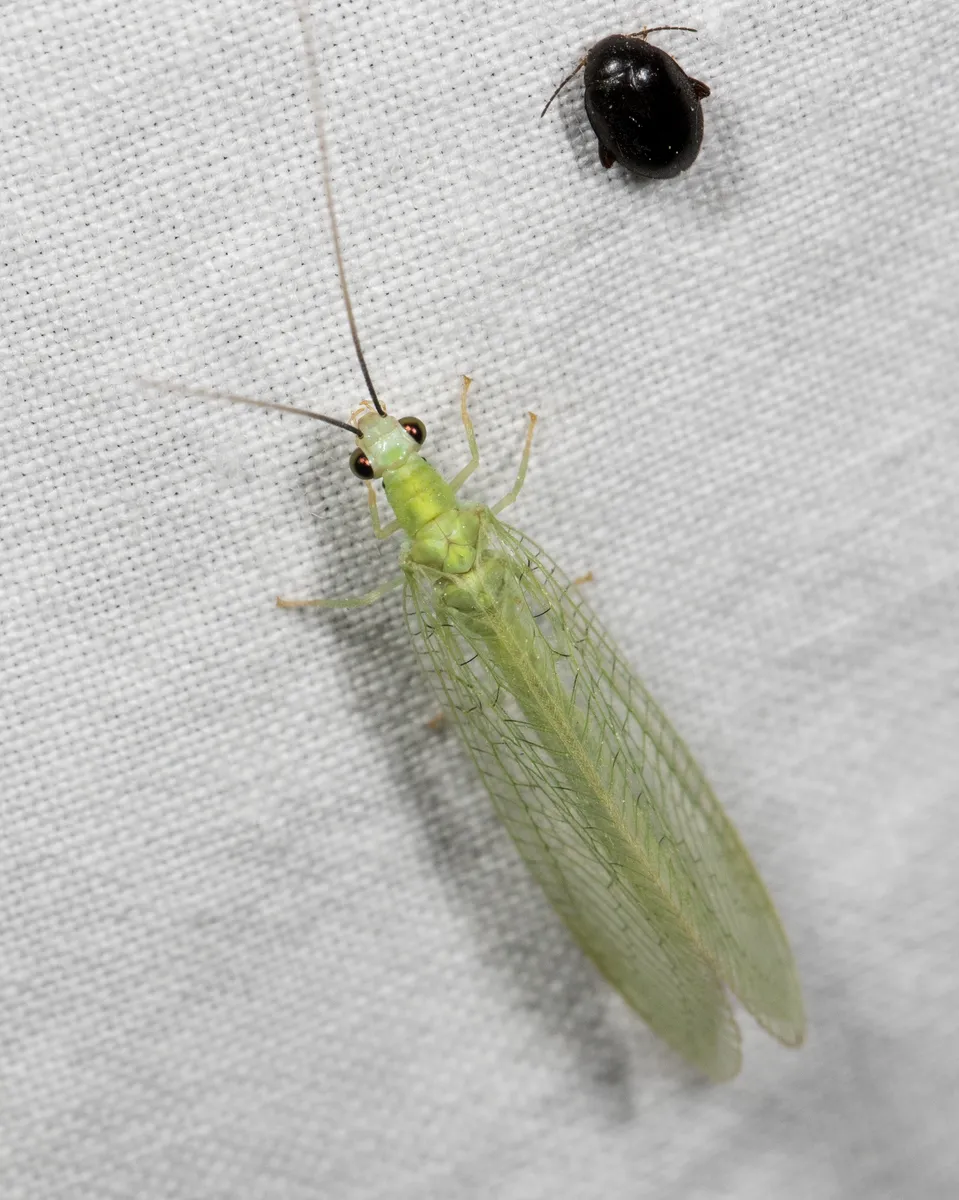
Black-horned Green Lacewing
Chrysopa nigricornis
Identification: Adults "A rather large, pale species. Note the almost entirely unmarked pronotum and the almost entirely pale head capsule, with only one pair of small dark spots, one on each side of the clypeus. The proximal parts of the antennae ar
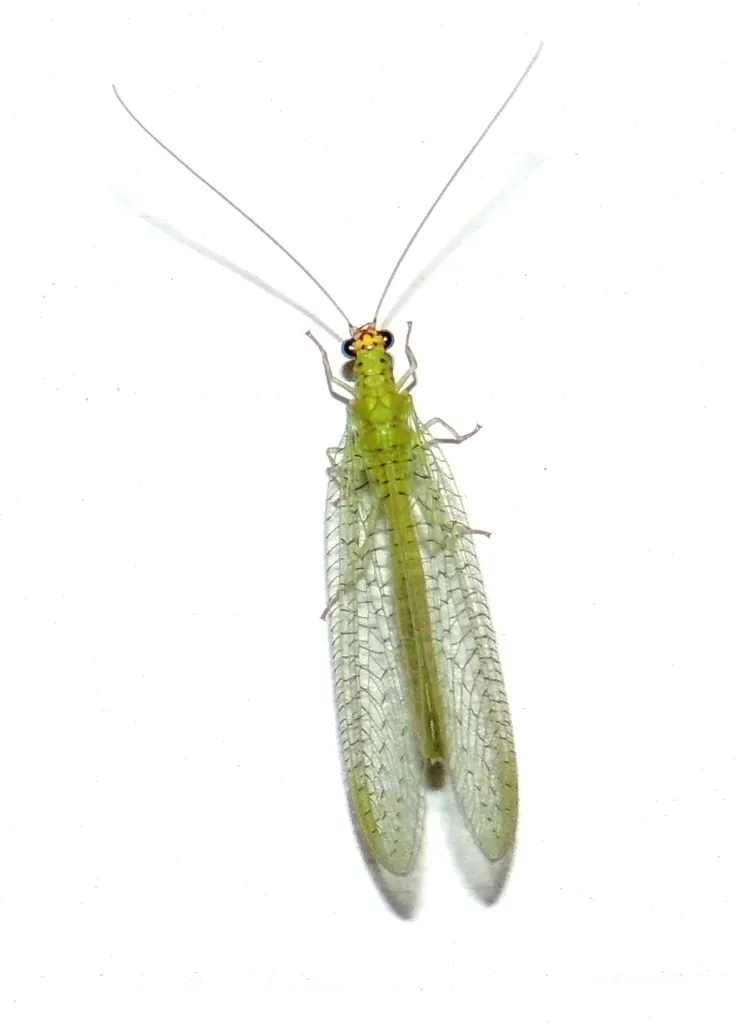
Chrysopa oculata
Chrysopa oculata
Identification: Adults C. oculata can be distinguished from other species by the following combination of characters: the frons has a darkly coloured ring around the lower or lateral margin of the base of the antenna; the antennal bases have reddish
Chrysopa pleuralis
Chrysopa pleuralis
Identification: Separated from the very similar C. oculata by the additional dark stripes down the lateral groove near the eye. Specimens also occasionally have more complete stripes on the vertex as opposed to four spots. Left to right: C. pleuralis
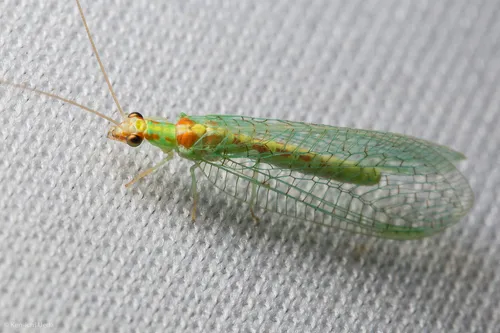
Four-spotted Green Lacewing
Chrysopa quadripunctata
Identification: Adults The head is pale with a yellowish-green occiput and reddish stripe following the genae. The antennae are entirely pale. The body is green with a yellowish median stripe. Bordering this stripe are paired orange-to-reddish spots
Slosson's Green Lacewing 0
Chrysopa slossonae
Identification: Adults are very similar in appearance to Chrysopa quadripunctata but differ in terms of wing venation. Larval traits differ more greatly, with C. slossonae adapted as a specialist of Prociphilus tesselatus , the woolly alder aphid, an
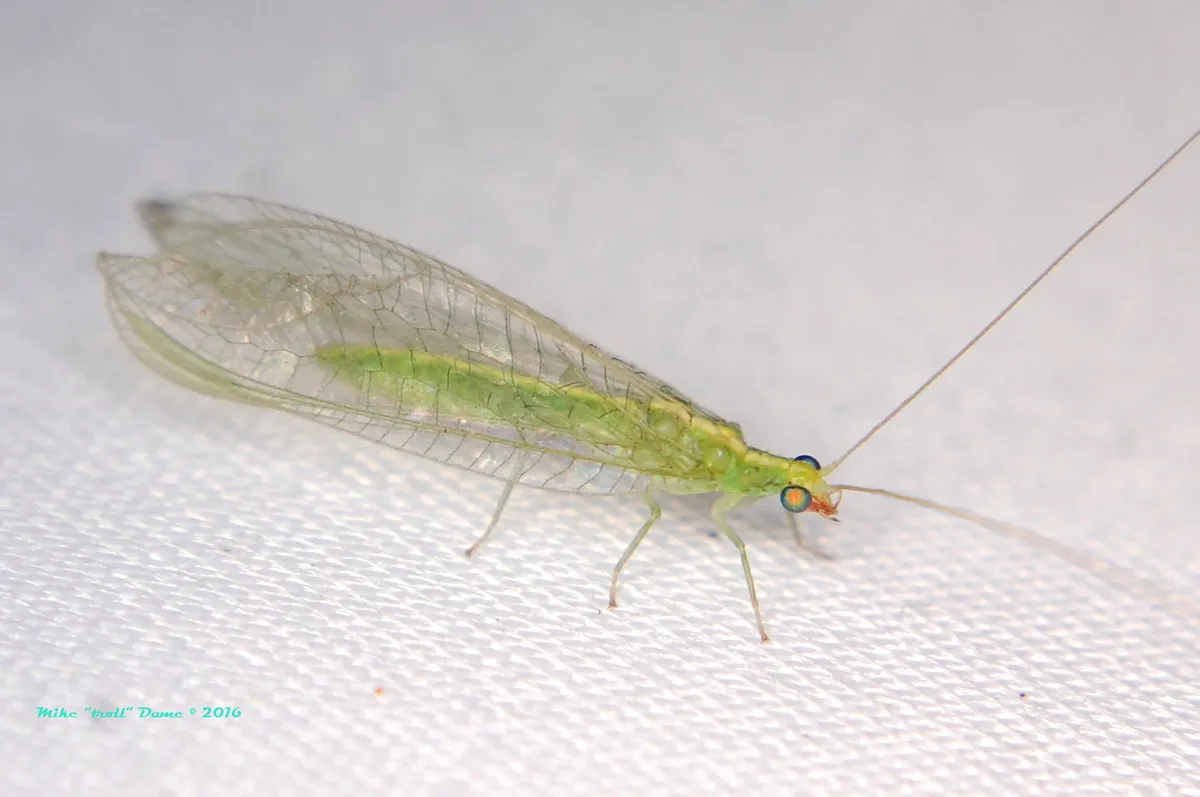
Comanche Green Lacewing
Chrysoperla comanche
Identification: Distinguished by its western range, broadly red-striped genae ('cheeks'), green cross veins, and pointed hind wingtips. This species may be mistaken for C. rufilabris due to its extensively red genae. However, C. comanche is found in
Downes's Green Lacewing
Chrysoperla downesi
Identification: Adults Eastern: Separated from the eastern population of C. plorabunda (the only other member of the group east of the Great Plains) by its consistently darker and deeper green color. Western: Song analysis is required to separate thi
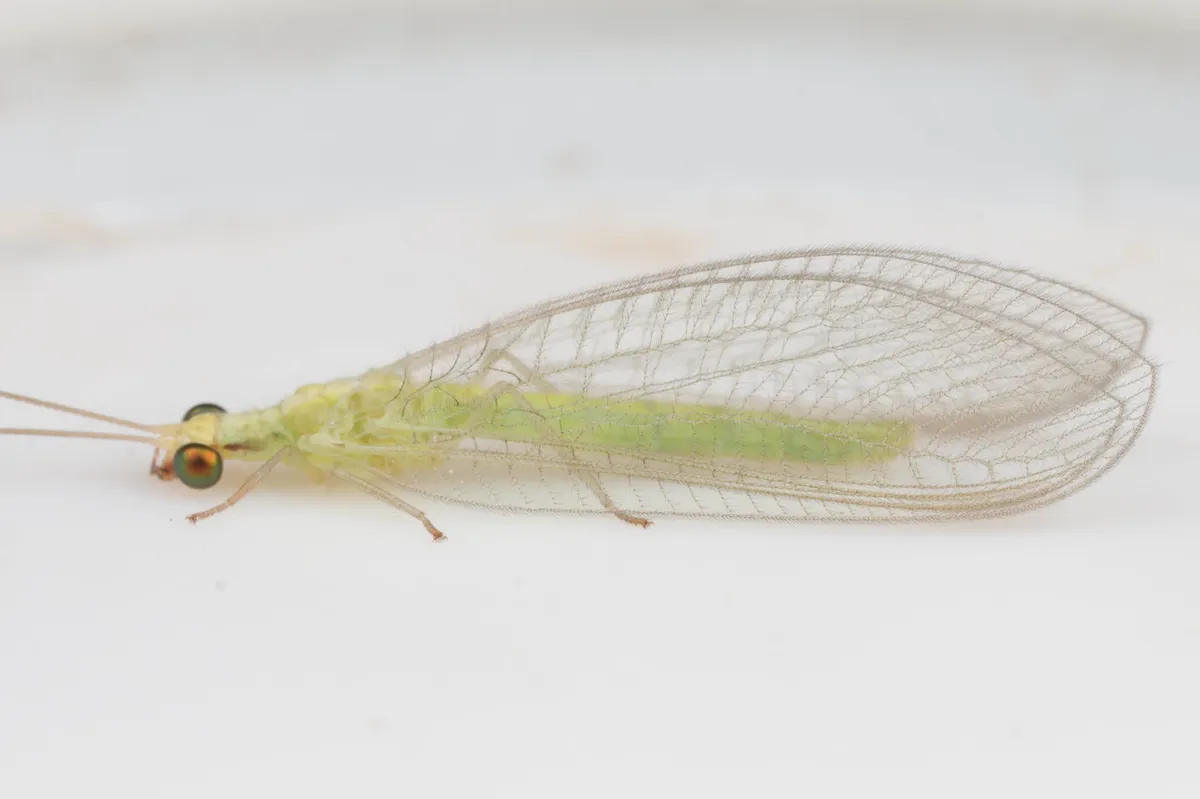
Chrysoperla externa
Chrysoperla externa
Identification: Noted for the reddish markings on the prothorax (similar to many members of Ceraeochrysa ), single narrow red stripe on the genae ("lips"), and pointed hind wingtips.
Harris's Green Lacewing
Chrysoperla harrisii
Identification: Noted for the extensively red genae, pointed apex of hind wings, broad red marks behind the eyes, brown spots at the anterior corners of the prothorax, and entirely green wing venation. Dorsum of maxillary palps black; forewing narrow
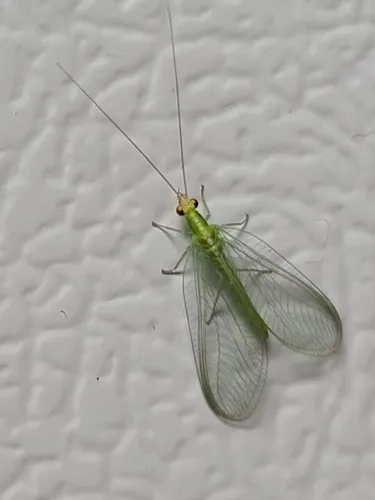
Weeping Green Lacewing
Chrysoperla plorabunda
Identification: Definitive identification of adults would require analysis of the tremulation ("song") pattern to separate this species from other members of the carnea group. This is, however, the only species of the group reported within the southe
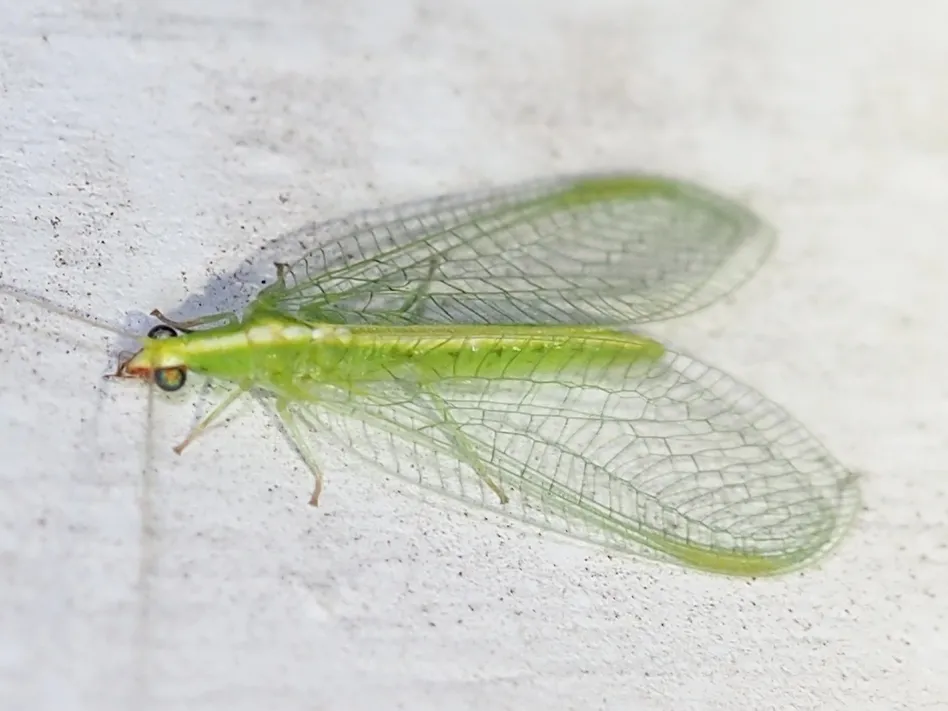
Red-lipped Green Lacewing
Chrysoperla rufilabris
Identification: Adults Adults of C. rufilabris are distinguished by their near-entirely red genae ('cheeks'), black cross veins, and pointed hind wingtips. Because they overwinter as adults (unlike our other members of the pudica group), they turn br
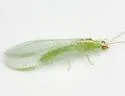
Chrysopodes collaris
Chrysopodes collaris
Identification: red red lineations (sinistrodextral) on the clypeus are unique among Chrysopidae in our area
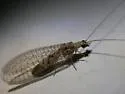
Eremochrysa hageni
Eremochrysa hageni
Identification: Face white with wide genal stripe, scapes with a broad stripe above (not at outer and inner sides), pronotum with only 3 dark spots at side, costal crossveins entirely pale.
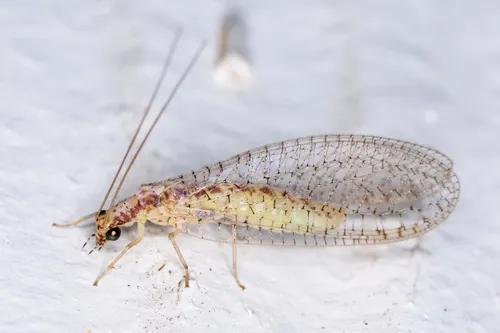
Eremochrysa punctinervis
Eremochrysa punctinervis
Identification: A readily-diagnosed species: face with yellow-to-red markings; vertex marked with spots or lines; antennae pale beyond second segment; pronotum with broad reddish marks at the sides; fore and mid tibiae lacking dark bands; venation co
Eremochrysa tibialis
Eremochrysa tibialis
Identification: Front and mid tibiae with a dark cross-band about one-third way from base, often also a dark spot at base of these tibiae; venation mostly dotted, vertex usually with reddish lines or spots.
Kymachrysa intacta
Kymachrysa intacta
Identification: Kymachrysa is one of several genera with a pale streak down the body and is distinguished by its sinuate longitudinal veins, between the inner and outer gradate veins. In most other green lacewing genera, the longitudinal veins are es
Leucochrysa americana
Leucochrysa americana
Identification: L. americana is a variable species that can be similar to L. explorata , which only ranges into southern New Mexico and Texas. Both species are distinct in having 6 cubital cells in the forewing (7 or 8 in other species). L. americana
Leucochrysa callota
Leucochrysa callota
Identification: Paired spots on vertex, thorax, and abdomen; pterostigma has a dark spot, like in all of our Leucochrysa except L. arizonica
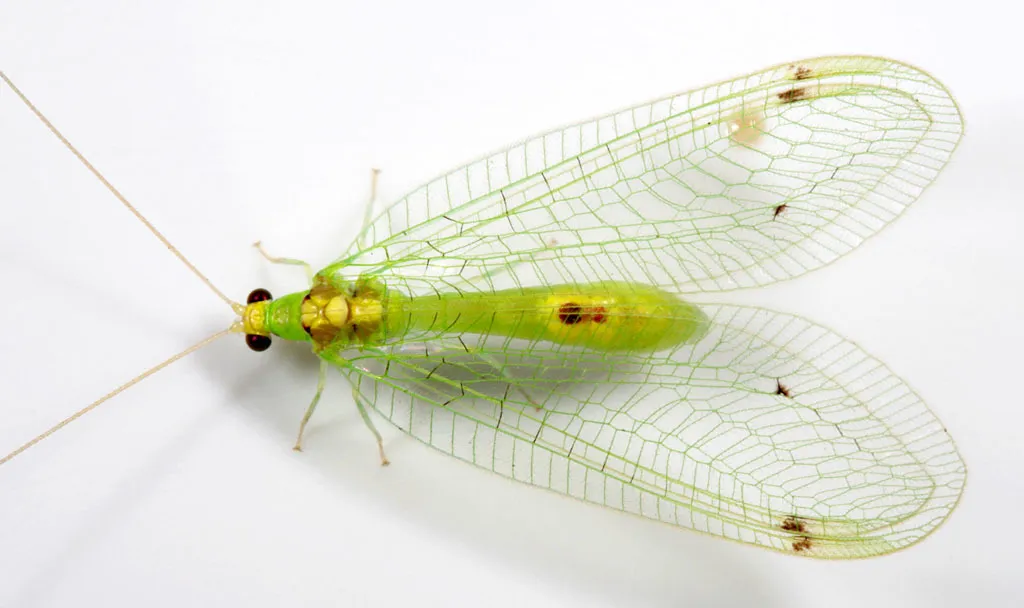
Leucochrysa insularis
Leucochrysa insularis
Identification: Two dusky spots on each forewing (single spot in most other Leucochrysa ; no spot in L. arizonensis ), four mesothoracic spots on a golden ground color, and single abdominal spot are distinctive of this species.
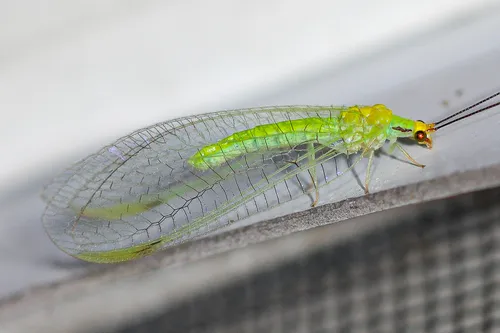
Lichen-carrying Green Lacewing
Leucochrysa pavida
Identification: Adults have rather long antennae, a golden head and regions of the thorax, red stripes on the antennal scapes, a red stripe on the gena, dark stripes on the sides of the prothorax, and conspicuously darkened pterostigmas (characterist
Meleoma emuncta
Meleoma emuncta
Identification: The pale streak down the body and lines on the genae make this species very easily mistaken for a Chrysoperla . However, the strong cylindrical shape of the scapes and absence of any red on the genae are useful for distinguishing this
Signoret's Green Lacewing
Meleoma signoretti
Identification: Body green, head often paler. Antennae shorter with strongly cylindrical with scapes broadly separated (around the width of each base), base of flagellum black. Female with four spots on the frons forming a broad "ʌ" shape. Male with
San Francisco Lacewing
Nothochrysa californica
Identification: The red-orange and black color pattern on the head is quite distinctive. The antennae are black, slightly shorter than the wings. The pronotum is relatively long, gradually widening towards posterior end, reddish-brown with narrow, pa
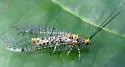
Abachrysa eureka
Abachrysa eureka
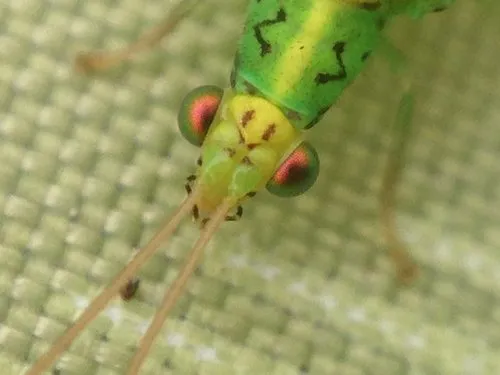
Apertochrysa edwardsi
Apertochrysa edwardsi
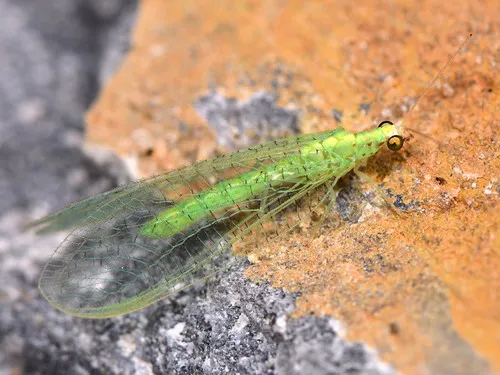
Apertochrysa flavifrons
Apertochrysa flavifrons
Apertochrysa luctuosa
Apertochrysa luctuosa
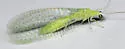
Apertochrysa macleodi
Apertochrysa macleodi
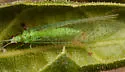
Perfect Green Lacewing
Apertochrysa perfecta
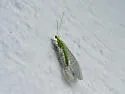
Sierra Green Lacewing
Apertochrysa sierra
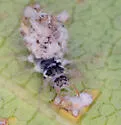
Ceraeochrysa claveri
Ceraeochrysa claveri
Ceraeochrysa cubana
Ceraeochrysa cubana
Ceraeochrysa valida
Ceraeochrysa valida
Chrysopa excepta
Chrysopa excepta
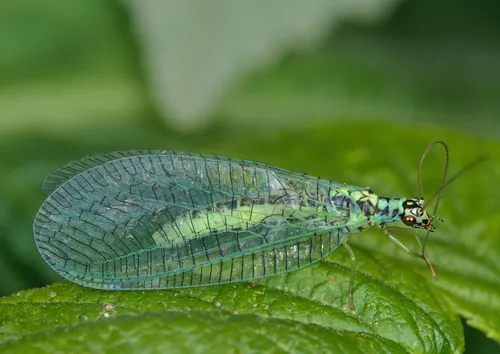
Pearly Green Lacewing
Chrysopa perla
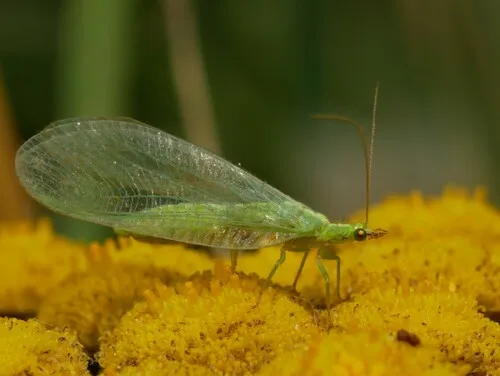
Chrysoperla carnea
Chrysoperla carnea
Eremochrysa canadensis
Eremochrysa canadensis
Eremochrysa fraterna
Eremochrysa fraterna
Eremochrysa minora
Eremochrysa minora
Eremochrysa pallida 0
Eremochrysa pallida
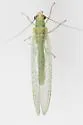
Eremochrysa sabulosa
Eremochrysa sabulosa
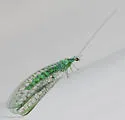
Kymachrysa placita
Kymachrysa placita
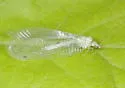
Leucochrysa arizonica
Leucochrysa arizonica
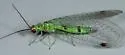
Leucochrysa explorata
Leucochrysa explorata
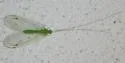
Leucochrysa floridana
Leucochrysa floridana
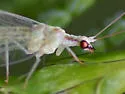
Meleoma dolicharthra
Meleoma dolicharthra
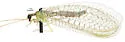
Meleoma furcata
Meleoma furcata
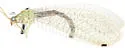
Meleoma hageni
Meleoma hageni
Meleoma schwarzi
Meleoma schwarzi
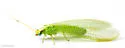
Nacarina robusta
Nacarina robusta
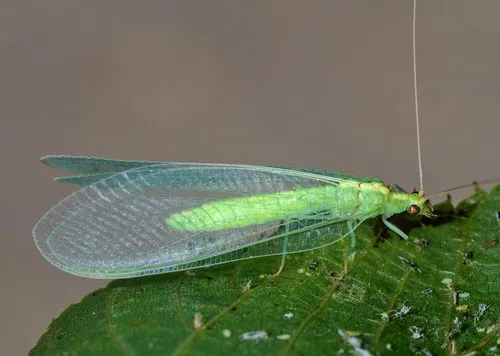
Nineta flava
Nineta flava
Nineta gravida
Nineta gravida
Pimachrysa albicostales
Pimachrysa albicostales
Pimachrysa fusca
Pimachrysa fusca
Apache Lacewing
Yumachrysa apache