
Zygona duplex
This record describes Zygona duplex (species). Recorded family: Geophilidae. Recorded order: Geophilomorpha.
Identification and Appearance
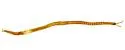
Classification
- Kingdom
- Animalia
- Phylum
- Arthropoda
- Class
- Chilopoda
- Order
- Geophilomorpha (Soil Centipedes)
- Family
- Geophilidae
- Genus
- Zygona
Imported taxonomy record. Source availability varies; see the source references and editorial policy below.
Additional species information
Species notes from the sources
Etymology: Zygona duplex Chamberlin, 1960
About Soil Centipedes: the wider group
Order-level background for Geophilomorpha, the group containing Zygona duplex. Species-specific details appear above.
Group overview
Geophilomorpha (soil centipedes) includes ~1,300 described species. They have the most leg pairs of any centipede - up to 191 pairs, always an odd number. They are elongated, eyeless burrowers adapted to life in soil.
Ecological role of the group
Geophilomorphs are important predators in deeper soil layers where most other centipedes cannot reach. Their burrowing activity helps aerate soil and create channels for water infiltration.
Economic and practical significance of the group
Soil centipedes are beneficial soil organisms that prey on insect larvae, earthworms, and other invertebrates. Some species are bioluminescent, producing a greenish glow that may startle predators.
Recorded sources for this group: Myriapod research, soil biology. Imported estimates may describe particular regions or reporting periods.
Photos of Zygona duplex (4)
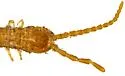
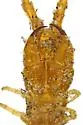
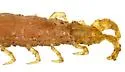
Photo credits: Contributed by Ken Wolgemuth