
Diamondback Soil Centipede
Geophilus vittatus
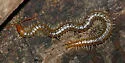
This record describes Geophilus vittatus (species). Recorded family: Geophilidae. Recorded order: Geophilomorpha.
Identification and Appearance
Classification
- Kingdom
- Animalia
- Phylum
- Arthropoda
- Class
- Chilopoda
- Order
- Geophilomorpha (Soil Centipedes)
- Family
- Geophilidae
- Genus
- Geophilus
Imported taxonomy record. Source availability varies; see the source references and editorial policy below.
Habitat and Range
Habitat
Underground, although unlike most geophilomorphs it will also venture above the surface beneath the bark of tree stumps, for example.
Geographic Range
Abundant throughout temperate North America.
Diet and Behavior
Diet: Other small, soil-dwelling invertebrates.
Life History
The females guard their eggs by coiling around them, like some snakes. They clean them, and secrete poisons from their underside to deter predators. If disturbed they will defend their young ferociously, although they are far too small to harm a person.
Additional species information
Species notes from the sources
Etymology: Geophilus vittatus (Rafinesque 1820)
About Soil Centipedes: the wider group
Order-level background for Geophilomorpha, the group containing Geophilus vittatus. Species-specific details appear above.
Group overview
Geophilomorpha (soil centipedes) includes ~1,300 described species. They have the most leg pairs of any centipede - up to 191 pairs, always an odd number. They are elongated, eyeless burrowers adapted to life in soil.
Ecological role of the group
Geophilomorphs are important predators in deeper soil layers where most other centipedes cannot reach. Their burrowing activity helps aerate soil and create channels for water infiltration.
Economic and practical significance of the group
Soil centipedes are beneficial soil organisms that prey on insect larvae, earthworms, and other invertebrates. Some species are bioluminescent, producing a greenish glow that may startle predators.
Recorded sources for this group: Myriapod research, soil biology. Imported estimates may describe particular regions or reporting periods.
Photos of Diamondback Soil Centipede (5)
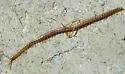
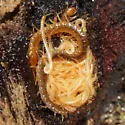
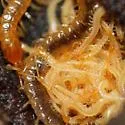
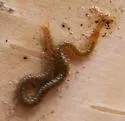
Photo credits: Contributed by Tom Bentley; Additional contributions by v belov , Joseph DeSisto Alling
Frequently Asked Questions About Diamondback Soil Centipede
Where is Diamondback Soil Centipede found?
| Feature | Details |
|---|---|
| Habitat | Underground, although unlike most geophilomorphs it will also venture above the surface beneath the bark of tree stumps, for example. |
| Range | Abundant throughout temperate North America. |
What does Diamondback Soil Centipede eat?
The diet of the Diamondback Soil Centipede includes Other small, soil-dwelling invertebrates..
What is the life cycle of a Diamondback Soil Centipede?
The females guard their eggs by coiling around them, like some snakes. They clean them, and secrete poisons from their underside to deter predators. If disturbed they will defend their young ferociously, although they are far too small to harm a person.