
Strawberry Snail
Trochulus striolatus
This record describes Trochulus striolatus (species). Recorded family: Hygromiidae. Recorded order: Pulmonata.
Identification and Appearance
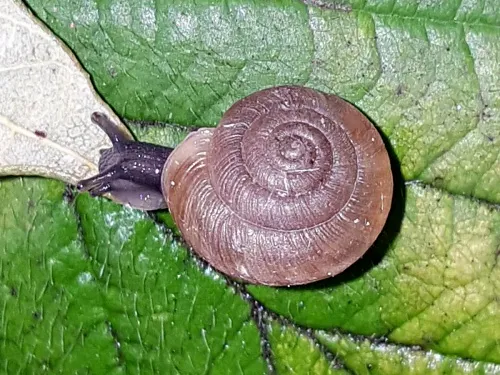
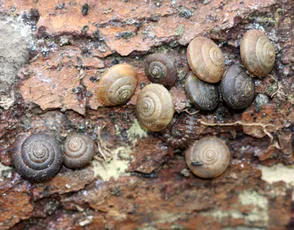
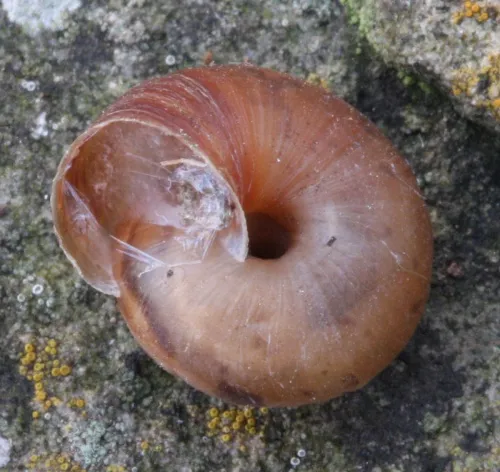
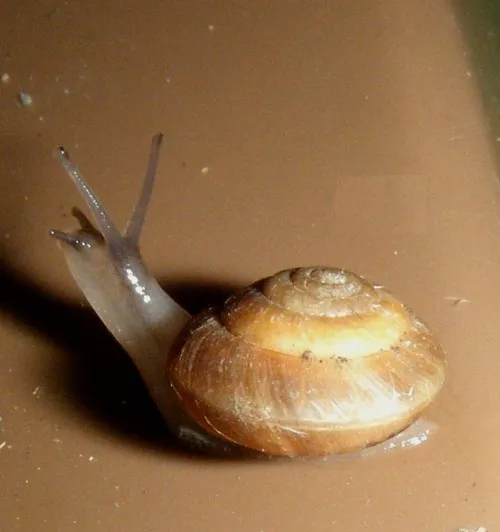
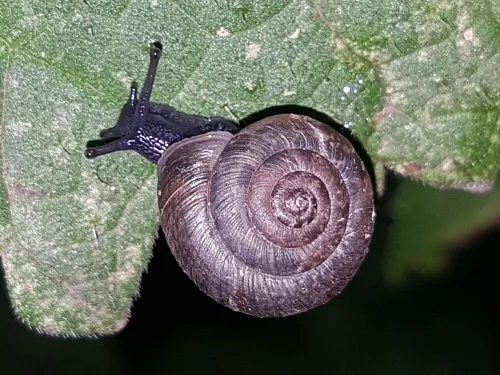
10mm but can grow larger. Shell colour ranges from dirty yellowish-brown through chestnut brown or even a purplish-grey. It usually has five or six whorls and has a slightly raised spire. It has coarse growth ridges running across each whorl and a deep umbilicus. Unless identified by a recognised expert, a photo is required. If the photo doesn't show the key ID features then in the comments box describe the size and identifying characters you have observed. Any well-vegetated habitat, especially in lower-lying areas with plenty of moisture. Mainly nocturnal, but can be found feeding in the daytime, especially after rain. Feeds on a wide range of low vegetation, including strawberries, lettuce plants as well as the foliage of many garden flowers. Common and widespread throughout most of Britain.
Classification
- Kingdom
- Animalia
- Phylum
- Arthropoda
- Order
- Pulmonata
- Family
- Hygromiidae
- Genus
- Trochulus
Imported taxonomy record. Source availability varies; see the source references and editorial policy below.
Habitat and Range
Habitat
Any well-vegetated habitat, especially in lower-lying areas with plenty of moisture.
Seasonal Activity
Mainly nocturnal, but can be found feeding in the daytime, especially after rain.
Diet and Behavior
Life History
Feeds on a wide range of low vegetation, including strawberries, lettuce plants as well as the foliage of many garden flowers.
Additional species information
Recorded status
Common and widespread throughout most of Britain.
About Pulmonata: the wider group
Order-level background for Pulmonata, the group containing Trochulus striolatus. Species-specific details appear above.
Group overview
Pulmonata includes terrestrial and freshwater snails and slugs with ~30,000 described species. The giant African land snail (Lissachatina fulica) can reach 20cm and is one of the most invasive species globally.
Ecological role of the group
Terrestrial gastropods are important decomposers and calcium recyclers in forest ecosystems. They are also critical food sources for birds, hedgehogs, and beetles. Many species are hermaphrodites, possessing both male and female reproductive organs.
Economic and practical significance of the group
Slugs and snails cause billions in crop damage worldwide. The global molluscicide market was valued at $800 million in 2023. Conversely, edible snails (escargot) support a global industry worth over $4 billion annually.
Recorded sources for this group: FAO, agricultural pest management, gastropod research. Imported estimates may describe particular regions or reporting periods.
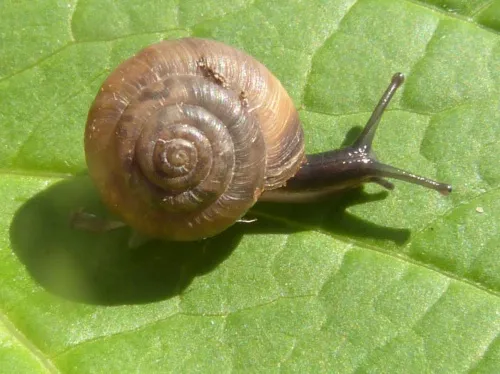
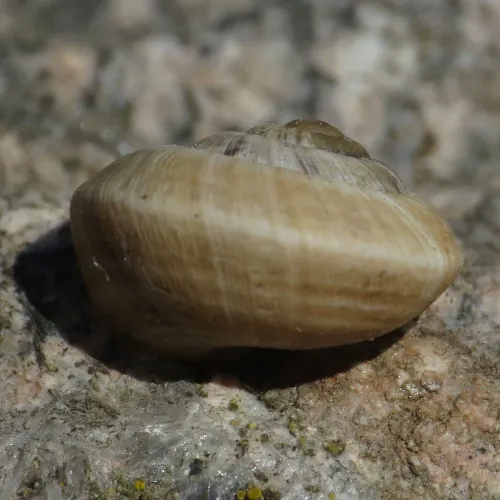
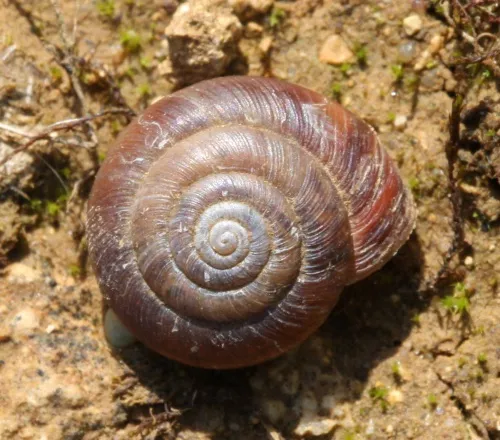
Photos of Strawberry Snail (10)
Frequently Asked Questions About Strawberry Snail
What is Strawberry Snail?
Strawberry Snail (Trochulus striolatus) is a species in the family Hygromiidae, within the order Pulmonata.
Where is Strawberry Snail found?
Habitat: Any well-vegetated habitat, especially in lower-lying areas with plenty of moisture.
When is Strawberry Snail active?
Strawberry Snail: seasonal activity - Mainly nocturnal, but can be found feeding in the daytime, especially after rain..
What is the life cycle of a Strawberry Snail?
Feeds on a wide range of low vegetation, including strawberries, lettuce plants as well as the foliage of many garden flowers.