
Family Hygromiidae
Hygromiidae is a family in the order Pulmonata. Browse 7 named species recorded in this family, or open an individual profile for its available identification and natural-history information.
Species in Hygromiidae (7)
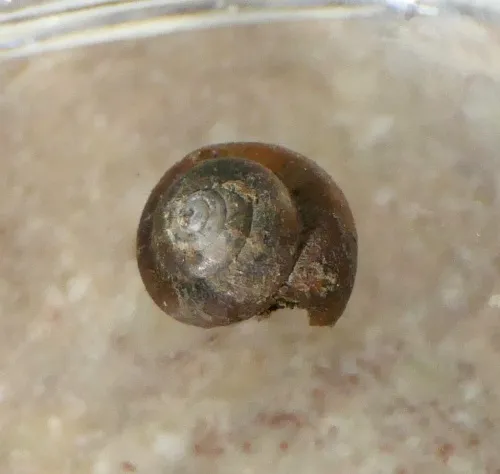
Silky Snail
Ashfordia granulata
One of two snails in VC55 that are hairy as adults (several species have hairs as juveniles). It is around 8mm and more rounded and conical than Trochulus hispidus with a noticeable spire. It has a small umbilicus which is partially obscured by the c
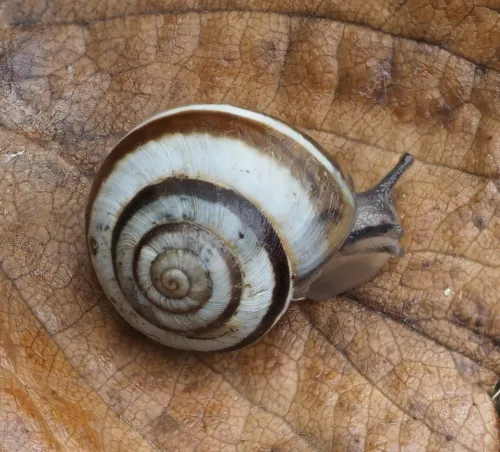
Striped Snail
Cernuella virgata
A globular shell with rounded whorls and usually with dark spiral bands over a paler background. Variable in size from 7-18 mm. Under a lens it has irregular growth lines. The umbilicus is relatively small. Candidula can also have spiral bands and is
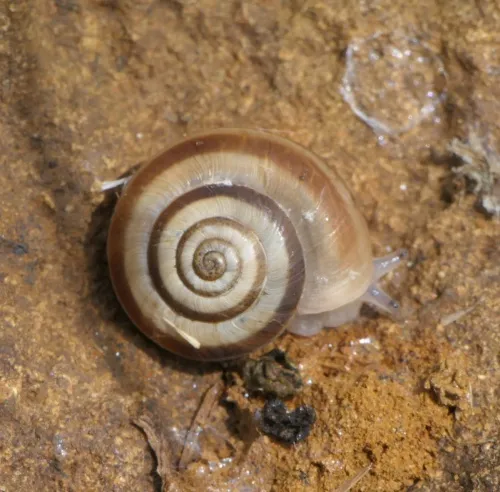
Heath Snail
Helicella itala
9-25mm diameter with a low spire. Generally pale but usually with dark spiral bands. It has a large umbilicus that is free from the mouth lip. Cernuella virgata is found in similar habitats and also has dark spiral bands - but this species is much mo
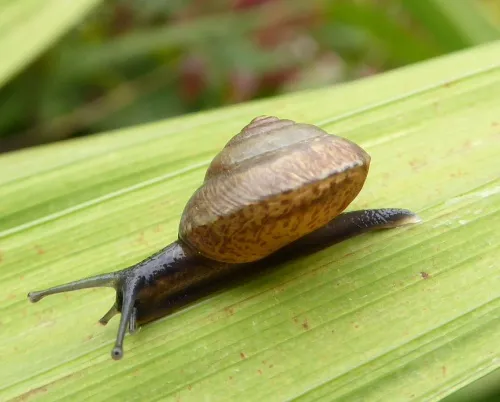
Girdled Snail
Hygromia cinctella
It is about 1 cm across, and varies in colour from a yellowish white through various shades to a dark chocolate brown. It has a sharp keel around the centre of the body whorl, with a light yellowish white band present around the keel. As this species
Kentish Snail
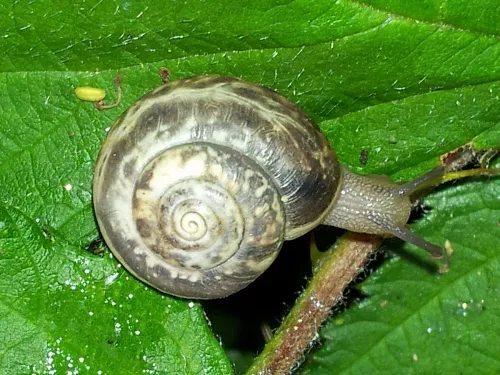
Monacha cantiana
Up to 16 mm. The shell is brown with creamy white mottling and often a pale spiral band around its circumference. The snail itself has a pale brown body with darker skirting and even darker tentacles. Young specimens have hairy shells but these tend
Hairy Snail
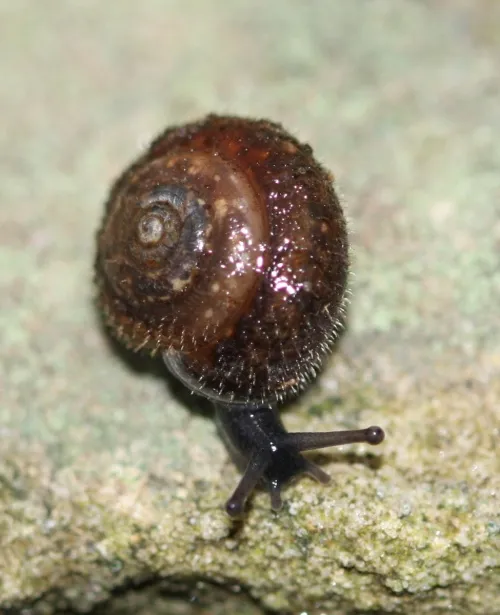
Trochulus hispidus
Shell 6 mm. The hairs on the shell wear off, but can usually be seen inside the umbilicus, which is quite well defined in this species. It is relatively flat, lacking a noticeable spire. Recent taxonomic changes have concluded that Trochulus sericeus
Strawberry Snail
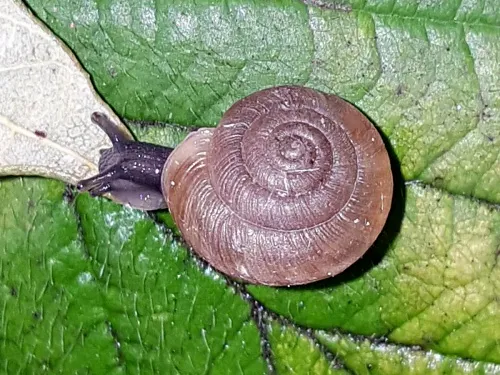
Trochulus striolatus
10mm but can grow larger. Shell colour ranges from dirty yellowish-brown through chestnut brown or even a purplish-grey. It usually has five or six whorls and has a slightly raised spire. It has coarse growth ridges running across each whorl and a de