
Tailed Cecropian - Hodges#4546
Historis acheronta
This record describes Historis acheronta (species). Recorded family: Nymphalidae. Recorded order: Lepidoptera.
Identification and Appearance
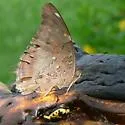
Kimball and Neck report vague historical records from south FL and south TX respectively. Most other US field guides either omit this sp., or list it as questionable. Veryl Board and John Hafernik collected a specimen on August 13, 1969 at Shafter, Presidio County, Texas. Brush Freeman and Petra Hockey photographed a worn individual on July 22, 2007 in east Port O'Connor, Calhoun County, Texas. Berry Nall photographed two separate individuals Sept. 1-2, 2011 at Falcon Heights, Starr Co., Texas Dan Jones, Jan and David Dauphin photographed a relatively fresh individual on Sept. 2, 2011 at the NABA Butterfly Park in Mission, Hidalgo Co., Texas.
Classification
- Kingdom
- Animalia
- Phylum
- Arthropoda
- Class
- Insecta
- Order
- Lepidoptera (Butterflies and Moths)
- Superfamily
- Papilionoidea
- Family
- Nymphalidae (Brush-footed Butterflies)
- Subfamily
- Nymphalinae
- Tribe
- Coeini
- Genus
- Historis
Imported taxonomy record. Source availability varies; see the source references and editorial policy below.
Habitat and Range
Habitat
Tropical forests
Geographic Range
Limited accepted US records from AZ, TX(~5), FL , , BAMONA Map (Three were photographed in two southmost Texas counties in Sept. 2011) Elsewhere: East and west Mexico south to Brazil. Also in the West Indies, but uncommon. (Riley 1975, Schwartz 1989) Type Locality: Brazil
Seasonal Activity
Flies all yr in the tropics.
Diet and Behavior
Diet: Larvae feed on Cecropia trees and shrubs (Moraceae), a very unusual hostplant for butterflies. Adults frequently attracted to rotting fruit or tree sap.
Life History
Known to undertake migrations in South America (Williams 1930).
About Butterflies and Moths: the wider group
Order-level background for Lepidoptera, the group containing Historis acheronta. Species-specific details appear above.
Group overview
Lepidoptera includes approximately 180,000 described species of butterflies and moths. Moths outnumber butterflies roughly 10:1. The monarch butterfly's eastern population has declined by more than 80% since the mid-1990s, and the western population by over 95% since the 1980s. The IUCN lists the migratory monarch as Vulnerable.
Ecological role of the group
Butterflies and moths are essential indicators of ecosystem health. As caterpillars, they are a primary food source for birds - a single nest of blue tit chicks requires ~10,000 caterpillars. Adult moths pollinate many night-blooming plants.
Economic and practical significance of the group
Lepidoptera are critical pollinators. In Europe, grassland butterfly species have declined by almost 50% since the early 1990s. In the UK, three-quarters of butterflies are in decline. In the U.S., five butterfly species have gone extinct since 1950, with 29 listed as endangered.
Recorded sources for this group: IUCN Red List, Xerces Society, USFWS, PNAS, WWF. Imported estimates may describe particular regions or reporting periods.
Photos of Tailed Cecropian - Hodges#4546 (2)
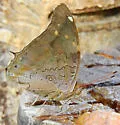
Photo credits: Contributed by Mike Quinn
Frequently Asked Questions About Tailed Cecropian - Hodges#4546
What is Tailed Cecropian - Hodges#4546?
Tailed Cecropian - Hodges#4546 (Historis acheronta) is a species in the family Nymphalidae, within the order Lepidoptera.
Where is Tailed Cecropian - Hodges#4546 found?
| Feature | Details |
|---|---|
| Habitat | Tropical forests |
| Range | Limited accepted US records from AZ, TX(~5), FL , , BAMONA Map (Three were photographed in two southmost Texas counties in Sept. 2011) Elsewhere: East and west Mexico south to Brazil. Also in the West Indies, but uncommon. (Riley 1975, Schwartz 1989) Type Locality: Brazil |
What does Tailed Cecropian - Hodges#4546 eat?
The diet of the Tailed Cecropian - Hodges#4546 includes Larvae feed on Cecropia trees and shrubs (Moraceae), a very unusual hostplant for butterflies. Adults frequently attracted to rotting fruit or tree sap..
When is Tailed Cecropian - Hodges#4546 active?
Tailed Cecropian - Hodges#4546: seasonal activity - Flies all yr in the tropics..
What is the life cycle of a Tailed Cecropian - Hodges#4546?
Known to undertake migrations in South America (Williams 1930).