
Mediterranean Mantis
Iris oratoria
This record describes Iris oratoria (species). Recorded family: Tarachodidae. Recorded order: Mantodea.
Identification and Appearance
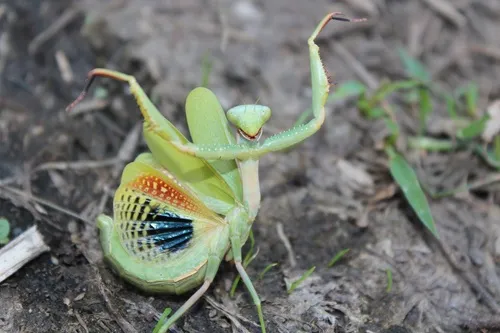
Lower frons with horns. Forefemur with 5 posteroventral spines. Hind wings with yellowish area with dark blotch may be distinguished from Mantis religiosa and other mantids of similar general size and shape by the red-orange spot on the fourth ventrite and shorter cerci Females of this species may reproduce either sexually or asexually through parthenogenesis.
Wikipedia reference for Iris oratoria: http://en.wikipedia.org/wiki/Iris_oratoria.
Classification
- Kingdom
- Animalia
- Phylum
- Arthropoda
- Class
- Insecta
- Order
- Mantodea (Mantids)
- Family
- Tarachodidae
- Genus
- Iris
Imported taxonomy record. Source availability varies; see the source references and editorial policy below.
Habitat and Range
Geographic Range
native to warmer, drier regions of the Palaearctic (very widespread), adventive in NA (range expanding)
Diet and Behavior
Life History
Oothecae Nymph Male (displaying)
Additional species information
Species notes from the sources
Etymology: Iris oratoria (Linnaeus 1758)
About Mantids: the wider group
Order-level background for Mantodea, the group containing Iris oratoria. Species-specific details appear above.
Group overview
Mantodea (praying mantises) includes ~2,400 described species in 430 genera. The praying mantis is the only insect that can turn its head 180 degrees to look over its shoulder.
Ecological role of the group
Mantises are apex insect predators with lightning-fast strike speeds - they can catch prey in as little as 50-70 milliseconds. Some species catch hummingbirds and small lizards. Female mantises sometimes practice sexual cannibalism, consuming the male during or after mating in about 25% of encounters.
Economic and practical significance of the group
Mantises are sold commercially as garden pest control. The Chinese mantis (Tenodera sinensis) was introduced to the U.S. in 1896 for pest control and is now established across the eastern United States.
Recorded sources for this group: Smithsonian, entomology research. Imported estimates may describe particular regions or reporting periods.
Photos of Mediterranean Mantis (3)
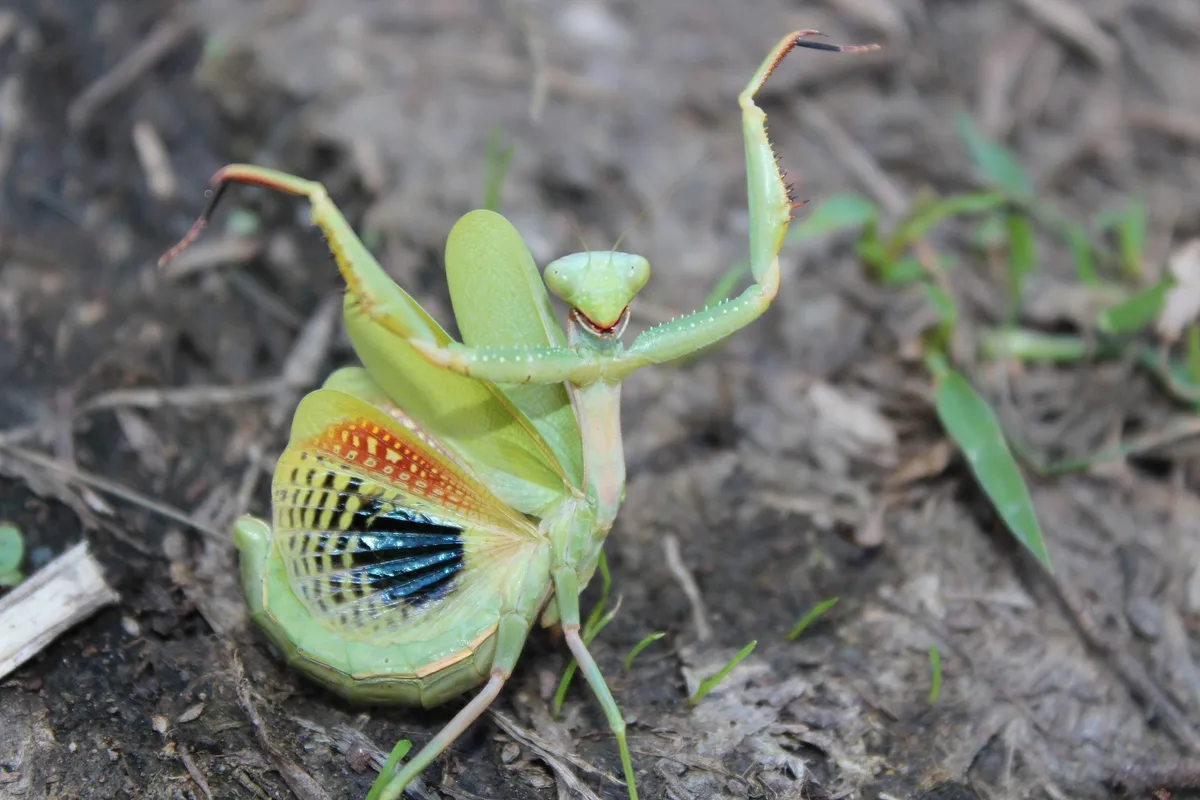
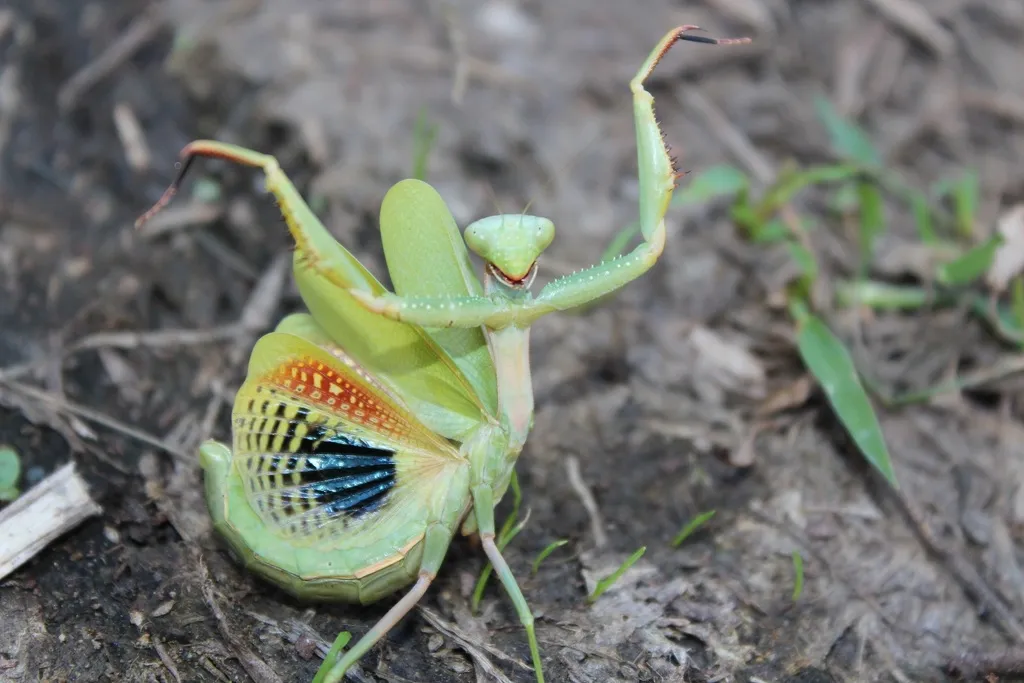
Photo credits: Contributed by Eric R. Eaton; Additional contributions by Beatriz Moisset , ceiseman , v belov , Harsi S. Parker , Arturo Santos
Frequently Asked Questions About Mediterranean Mantis
What is Mediterranean Mantis?
Mediterranean Mantis (Iris oratoria) is a species in the family Tarachodidae, within the order Mantodea.
How big is Mediterranean Mantis?
up to 65 mm
How do you identify Mediterranean Mantis?
Lower frons with horns. Forefemur with 5 posteroventral spines. Hind wings with yellowish area with dark blotch may be distinguished from Mantis religiosa and other mantids of similar general size and shape by the red-orange spot on the fourth ventrite and shorter cerci
Where is Mediterranean Mantis found?
Range: native to warmer, drier regions of the Palaearctic (very widespread), adventive in NA (range expanding)
What is the life cycle of a Mediterranean Mantis?
Oothecae Nymph Male (displaying)