
THE INSECTLIBRARY FIELD GUIDES
Camel SpiderIdentification, facts & practical guidance
Camel spiders, also called solifuges or windscorpions, are arachnids in Solifugae. They are neither true spiders nor scorpions and do not have venom glands.
Compiled by the InsectLibrary Team · Updated · Editorial policy
Identification and lookalikes
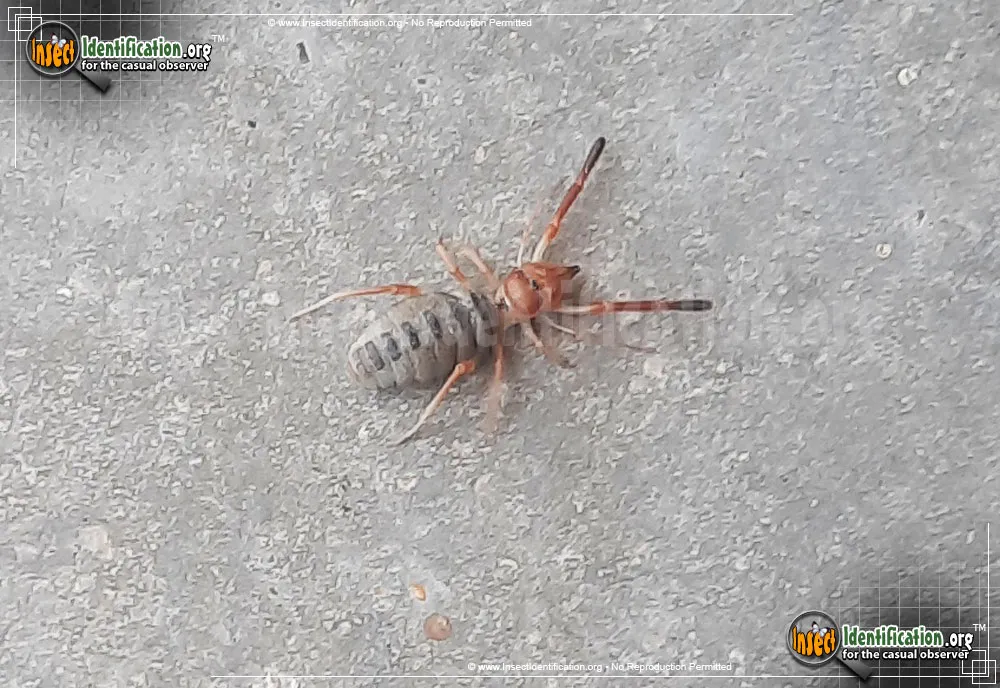
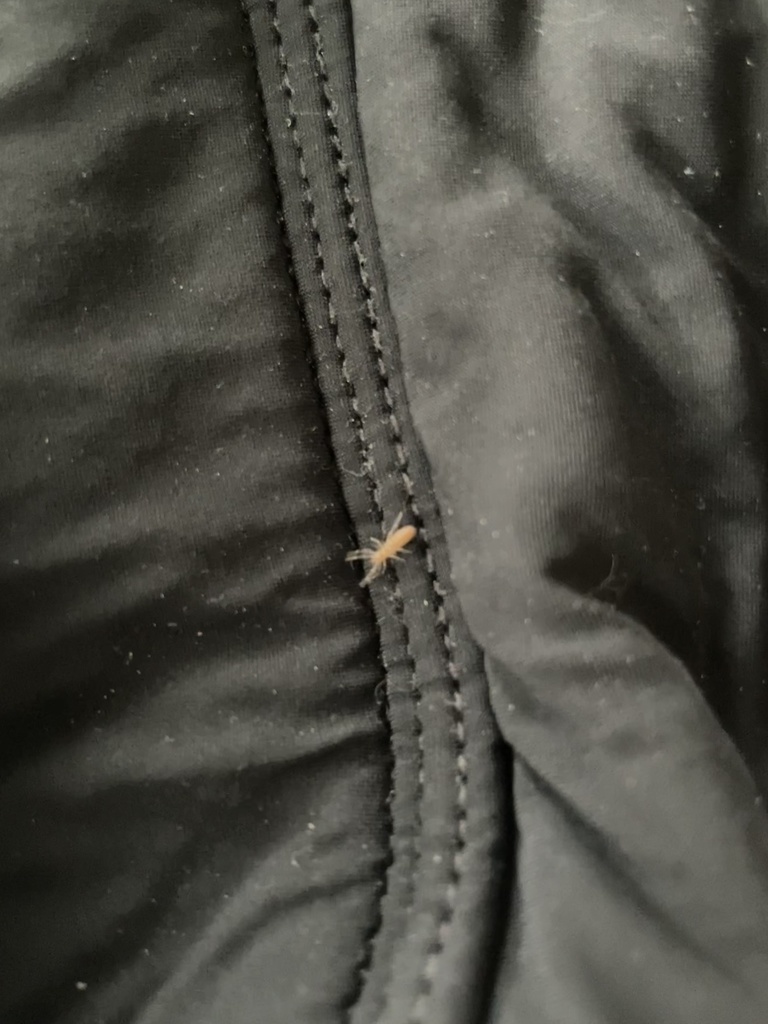
The large paired jaws are prominent. Long leglike pedipalps at the front can make the animal appear to have extra legs. There is no scorpion tail or stinger.
What camel spiders eat
They capture small animals, including insects, with their jaws. Many inhabit dry environments and shelter from exposed conditions. Dramatic online stories should not replace identification of the actual animal.
What to do next
Do not handle one: powerful jaws can pinch. If one enters a building, keep a distance and use a container only if you can do so safely. Seal gaps to reduce repeat entry.
Camel Spider: species profiles
Explore 34 species profiles covered by this guide, with recorded names and available photos.
Pale Windscorpion
Eremobates pallipes
Ammotrechella stimpsoni
Ammotrechella stimpsoni
no rights reservedAmmotrechula catalinae
Ammotrechula catalinae
Branchia potens
Branchia potens
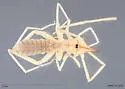
Chanbria rectus
Chanbria rectus
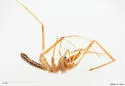
Chanbria regalis
Chanbria regalis
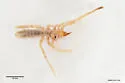
Eremobates ajoanus
Eremobates ajoanus
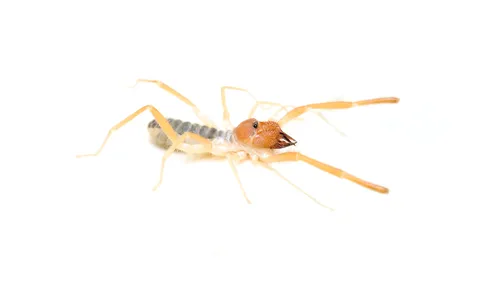
Eremobates angustus
Eremobates angustus
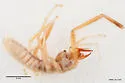
Eremobates bixleri
Eremobates bixleri
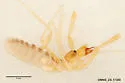
Eremobates corpink
Eremobates corpink
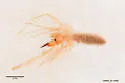
Eremobates gerbae
Eremobates gerbae
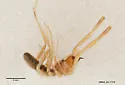
Eremobates icenogelei
Eremobates icenogelei
Sources and further reading
- ipm.ucanr.edu - windscorpionhttps://ipm.ucanr.edu/home-and-landscape/windscorpion/
References support the subject discussed here; they do not certify every imported directory record. Regional sources describe their own locations. Read our source and correction policy.