
THE INSECTLIBRARY FIELD GUIDES
ScorpionIdentification, facts & practical guidance
Scorpions are arachnids with grasping pincers and a segmented tail ending in a stinger. Medical risk depends on the species and location.
Compiled by the InsectLibrary Team · Updated · Editorial policy
Identification and lookalikes
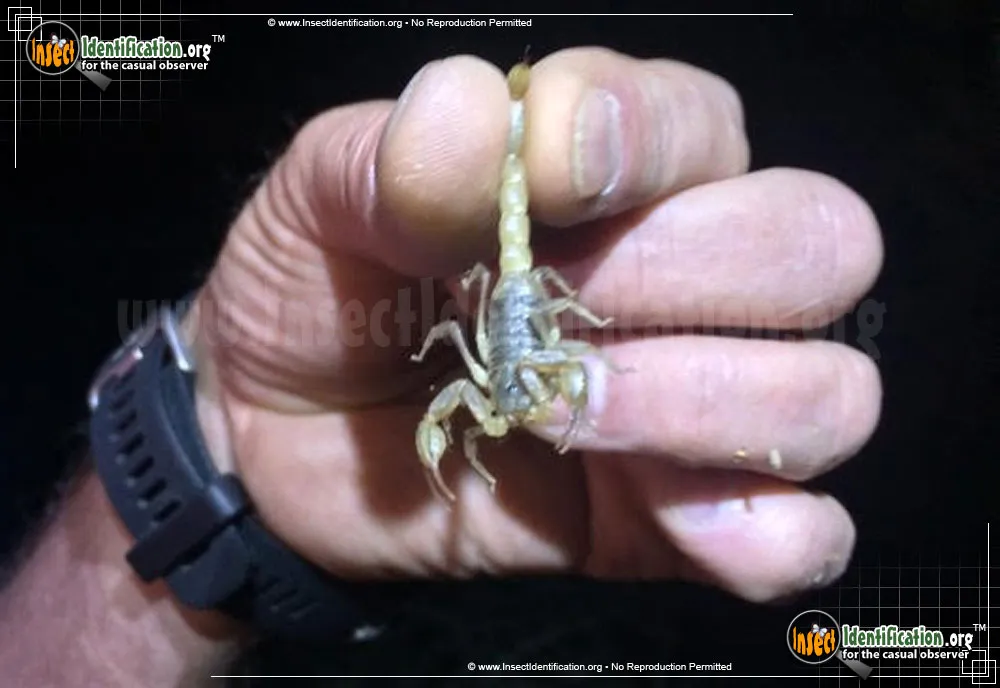
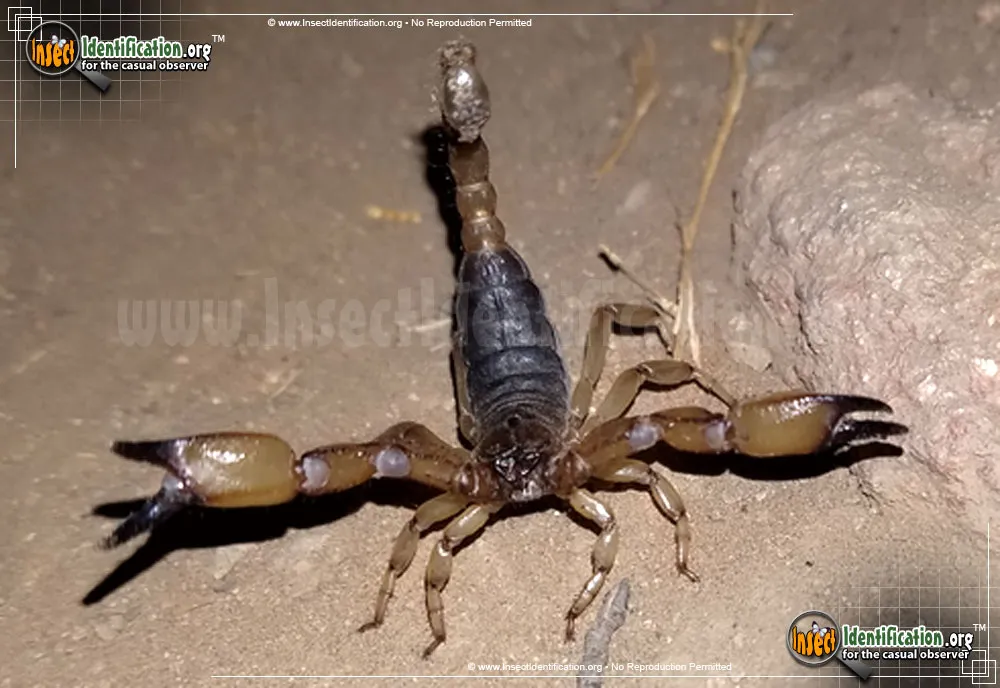
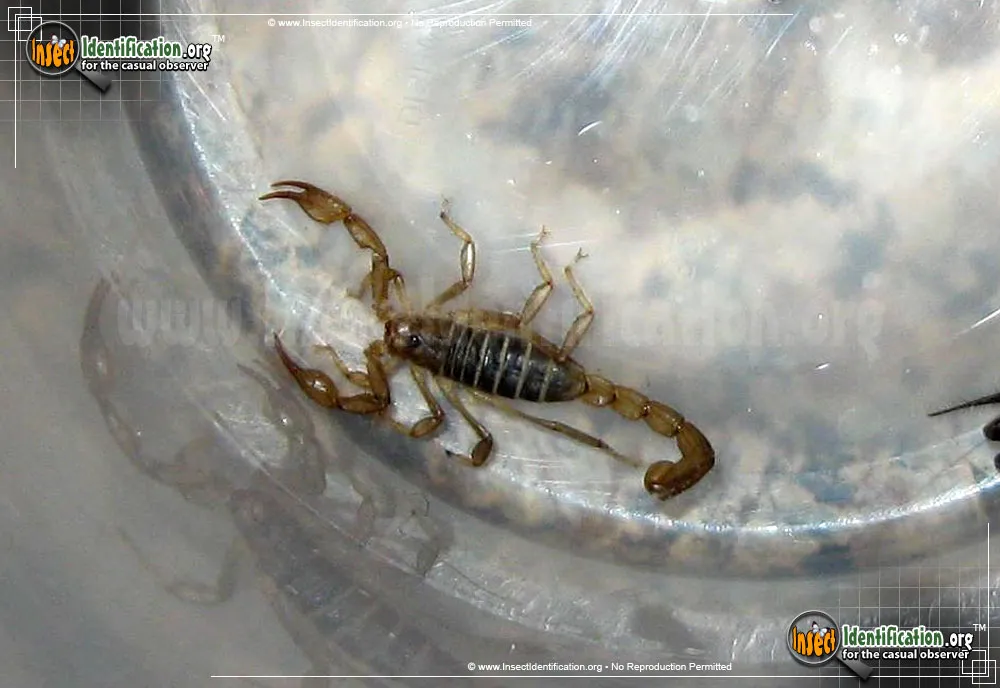
Look for eight walking legs, a pair of front pincers and the tail. A pseudoscorpion has pincers but no scorpion tail. A camel spider lacks that tail and has conspicuous jaws instead.
Stings and shelter
Scorpions use venom and can sting defensively. Some species cause serious illness, so it is inappropriate to label all scorpions harmless. They often shelter beneath objects or in crevices.
What to do next
Keep hands away from hiding places and check footwear in areas where scorpions occur. For a sting, contact a medical professional or poison service for local advice; severe symptoms require urgent care.
Scorpion: species profiles
Explore 70 species profiles covered by this guide, with recorded names and available photos.
California Common Scorpion
Paruroctonus silvestrii
California Swollen Stinger Scorpion
Anuroctonus pococki
Northern Scorpion
Paruroctonus boreus
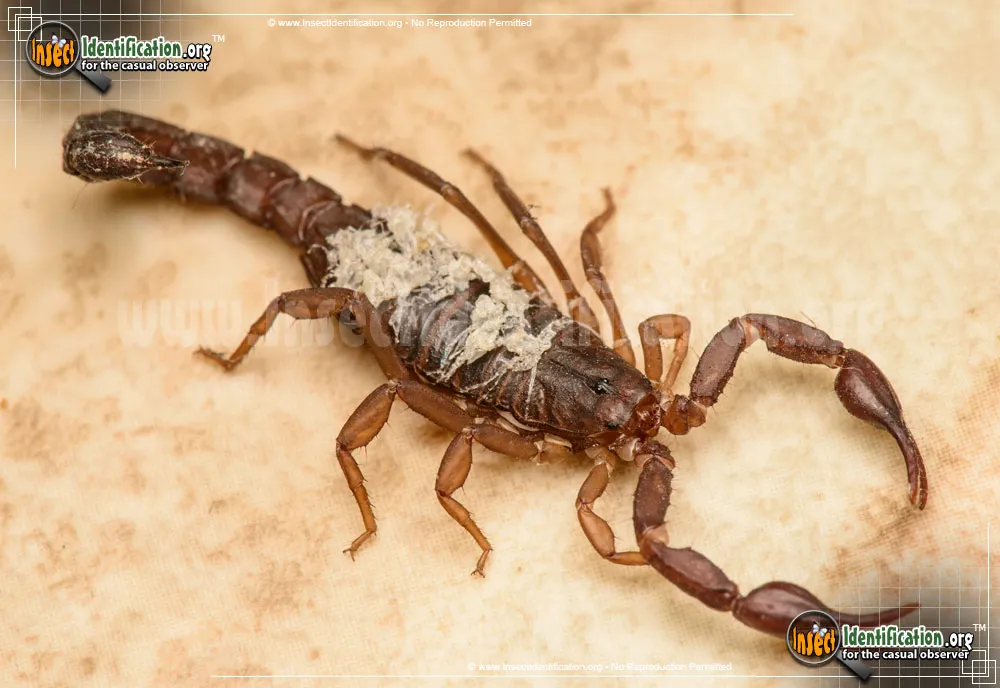
Southern Devil Scorpion
Vaejovis carolinianus
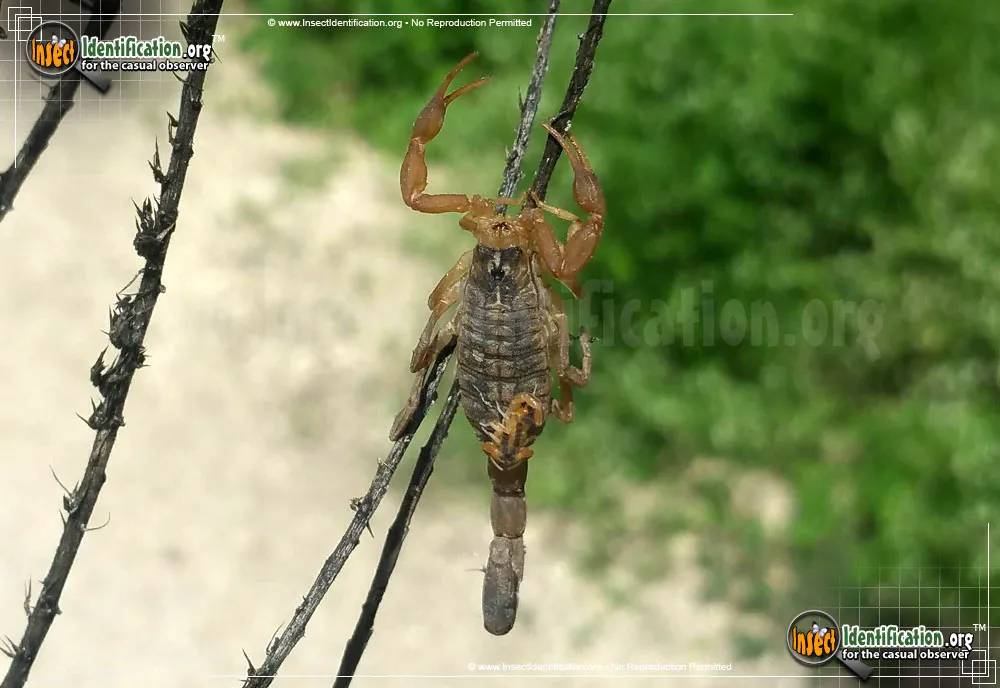
Striped Bark Scorpion
Centruroides vittatus
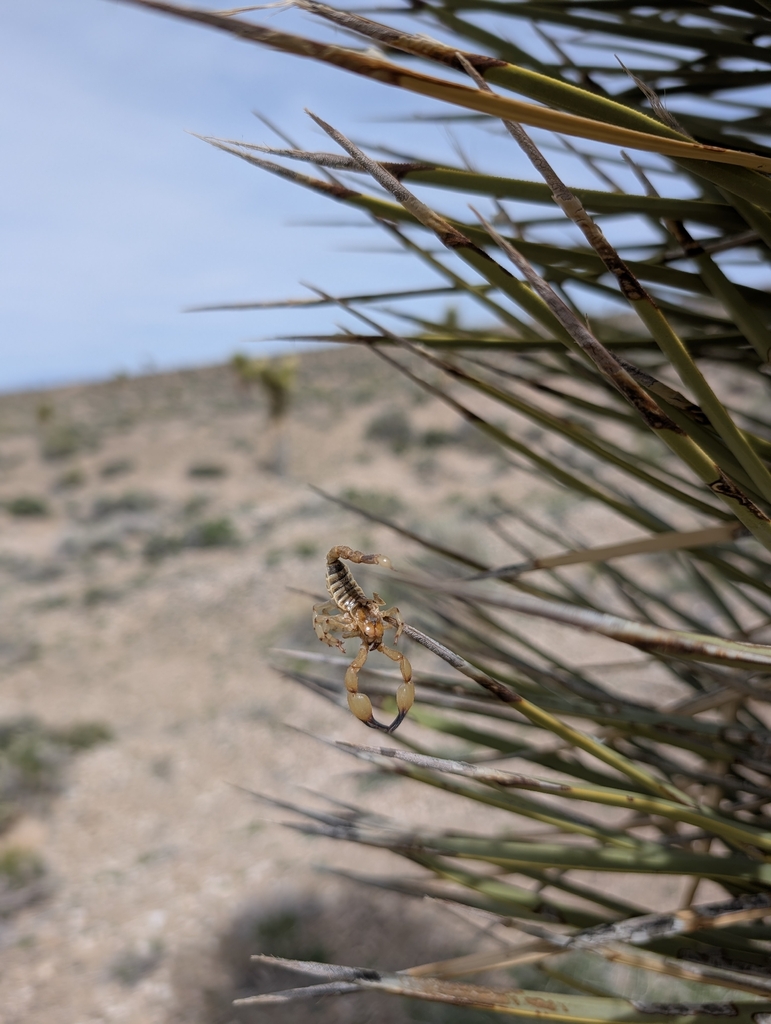
Swollenstinger Scorpion
Anuroctonus phaiodactylus
(c) Jacob Saucier, some rights reserved (CC BY)
Catalinia castanea
Catalinia castanea
Florida Bark Scorpion
Centruroides gracilis
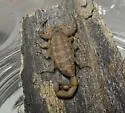
Centruroides guanensis
Centruroides guanensis
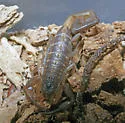
Hentz Striped Scorpion
Centruroides hentzi
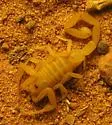
Arizona Bark Scorpion
Centruroides sculpturatus
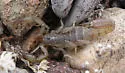
Lesser Stripetail Scorpion
Chihuahuanus coahuilae
Sources and further reading
- ipm.ucanr.edu - scorpionshttps://ipm.ucanr.edu/home-and-landscape/scorpions/
References support the subject discussed here; they do not certify every imported directory record. Regional sources describe their own locations. Read our source and correction policy.