
Ammotrechella stimpsoni
This record describes Ammotrechella stimpsoni (species). Recorded family: Ammotrechidae. Recorded order: Solifugae.
Identification and Appearance
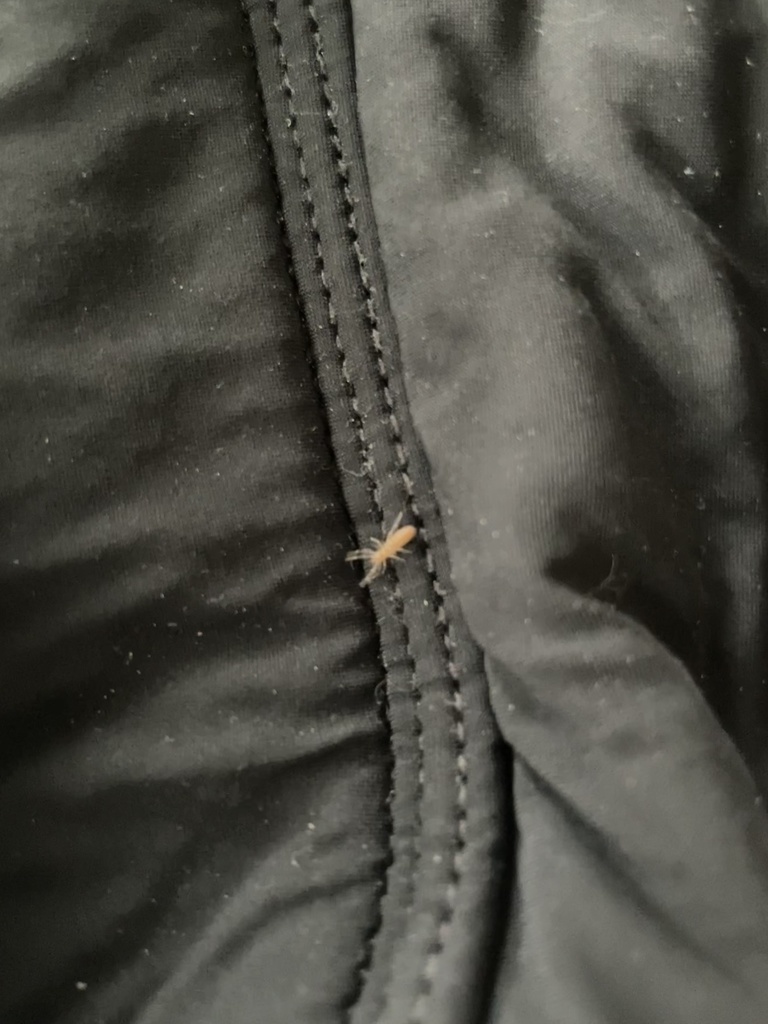
Classification
- Kingdom
- Animalia
- Phylum
- Arthropoda
- Class
- Arachnida
- Order
- Solifugae (Windscorpions)
- Family
- Ammotrechidae (Curve-faced Solifugids)
- Genus
- Ammotrechella
Imported taxonomy record. Source availability varies; see the source references and editorial policy below.
Habitat and Range
Habitat
most records along FL coast
Geographic Range
FL peninsula - Map , concentration of records in the northern peninsula , plus one record from c.GA (Stevenson, 2017)
Seasonal Activity
at least Jan-Oct
Diet and Behavior
Life History
"A single female and 19 immatures were collected from the Florida Keys in moist termite-infested and rotten limbs of red mangrove, Rhizophora mangle , and sweetbay, Magnolia virginiana . During dry periods, no specimens were taken under these conditions. Two immatures were collected from nests under the bark of standing dead pine trees. In the laboratory, females, males, and young all constructed nests and burrows in soil, and nests and burrows in pith, cornstalks, and rotten wood. Subterranean burrowing involved biting, raking, and plowing with variations similar to those exhibited by A. peninsulana . Burrows in wood, pith, or cornstalks were constructed by biting and raking with biting predominant. Nests in such media were smaller than those constructed in soil. Young frequently utilized termite galleries or woodboring beetle tunnels rather than burrow in rotten wood." ( 3 )
Additional species information
Species notes from the sources
Etymology: named for American naturalist William Stimpson (1832–1872). While Stimpson is best known for his work on marine crustaceans and mollusks, his 19th-century descriptions include, or are related to, various taxa that fall under the broader phylum Arthropoda, including arachnids and related chelicerates.
About Windscorpions: the wider group
Order-level background for Solifugae, the group containing Ammotrechella stimpsoni. Species-specific details appear above.
Group overview
Solifugae (sun spiders/camel spiders/wind scorpions) includes ~1,100 described species. Despite terrifying appearances, they are non-venomous and harmless to humans. They can run up to 10 mph (16 km/h), making them among the fastest arachnids.
Ecological role of the group
Solifuges are voracious nocturnal predators that hunt insects, spiders, and even small lizards. They have the largest jaws relative to body size of any arachnid. Unlike spiders, they have no venom and kill prey purely with mechanical force.
Economic and practical significance of the group
Solifuges have no significant economic impact. They gained widespread internet fame during the Iraq War when exaggerated photos circulated showing them as enormously large.
Recorded sources for this group: Arachnology research, natural history. Imported estimates may describe particular regions or reporting periods.
Photos of Ammotrechella stimpsoni (6)
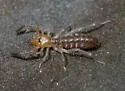
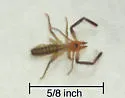
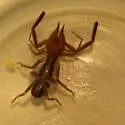
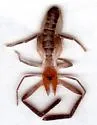
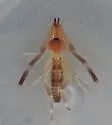
Photo credits: Contributed by Jeff Hollenbeck; Additional contributions by Mike Quinn , metrioptera
Frequently Asked Questions About Ammotrechella stimpsoni
Where is Ammotrechella stimpsoni found?
| Feature | Details |
|---|---|
| Habitat | most records along FL coast |
| Range | FL peninsula - Map , concentration of records in the northern peninsula , plus one record from c.GA (Stevenson, 2017) |
When is Ammotrechella stimpsoni active?
Ammotrechella stimpsoni: seasonal activity - at least Jan-Oct.
What is the life cycle of a Ammotrechella stimpsoni?
A single female and 19 immatures were collected from the Florida Keys in moist termite-infested and rotten limbs of red mangrove, Rhizophora mangle , and sweetbay, Magnolia virginiana . During dry periods, no specimens were taken under these conditions. Two immatures were collected from nests under the bark of standing dead pine trees. In the laboratory, females, males, and young all constructed nests and burrows in soil, and nests and burrows in pith, cornstalks, and rotten wood. Subterranean burrowing involved biting, raking, and plowing with variations similar to those exhibited by A. peninsulana . Burrows in wood, pith, or cornstalks were constructed by biting and raking with biting predominant. Nests in such media were smaller than those constructed in soil. Young frequently utilized termite galleries or woodboring beetle tunnels rather than burrow in rotten wood. ( 3 )