
Family Parasitic Flies (Tachinidae)
Tachinidae is a family in the order Diptera. Browse 350 named species recorded in this family, or open an individual profile for its available identification and natural-history information.
Species in Tachinidae (350)
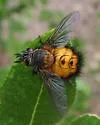
Spiny Tachina Fly
Paradejeania rutilioides
Identification: A large tachnid with a relatively wide and flattened abdomen. Posterior portion of abdominal tergites 3 and 4 each with a complete transverse row of bristles displaced anteriorly at midline (like a "bell-curve") enclosing a small patc
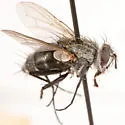
Paradidyma affinis
Paradidyma affinis
Identification: Long bristles on parafacial (near facial ridge, but outside it) with remainder of parafacial bare, cell r5 open, crossvein m-cu in normal position (not retracted toward wing base), female with modified fore tarsi typical of Minthoini,
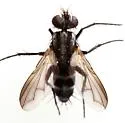
Paradidyma bicincta
Paradidyma bicincta
Identification: Row of parafacial bristles very weak on upper half, legs black except for red trochanters, thorax with distinct stripes, cell r5 closed.
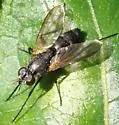
Paradidyma conica
Paradidyma conica
Identification: The only Paradidyma with red femora.
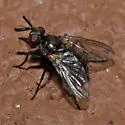
Paradidyma melania
Paradidyma melania
Several names were proposed for this species, which is sexually dimorphic and resembles Wagneria and Periscepsia . Reinhard (1955) pointed out an easily visible difference: vein R4+5 ends near the wingtip, rather than far in front of the wingtip in
Paradidyma singularis
Paradidyma singularis
Identification: can be distinguished from other species of Paradidyma by the combination of black legs, a well-developed row of parafacial setae extending from lowest pair of frontal seta to near the vibrissae, moderately wide parafacials, R4+5 meeti
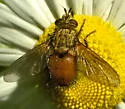
Parepalpus flavidus
Parepalpus flavidus
Identification: Distinguished from other Tachinini by the combination of palps absent, abdomen orange with one pair of discal and marginal bristles on tergites 3 and 4, and parafacial and eyes bare.
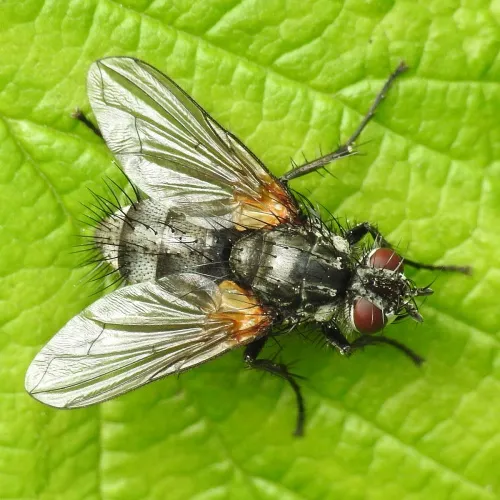
Pelatachina tibialis
Pelatachina tibialis
Length 7-9mm. Long reclinate bristles in the parafrontal area distinguish this species from most other Tachinids but are not diagnostic on their own. Good quality photographs showing the distinguishing features are required. Larvae chiefly parasitise
Peleteria anaxias
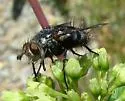
Peleteria anaxias
Identification: Mostly shining bluish black with contrasting red fifth (last visible) abdominal segment.
Peleteria incontesta
Peleteria incontesta
Identification: First two segments of antennae bright red, abdomen red with black median stripe, without discals or pollen on intermediate segments, with pale spots on tergite 5.
Periscepsia laevigata
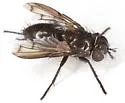
Periscepsia laevigata
Identification: Distinguished from other Wagneria and Periscepsia by several strong bristles on R1; other species have the vein bare or with one or two hairs. Parasitoid of Noctuinae (armyworm, cutworm, etc.).
Periscepsia spathulata
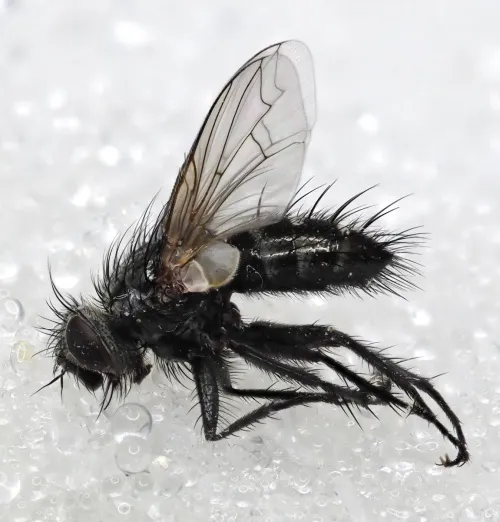
Periscepsia spathulata
Flies in this tachinid fly genus are difficult to identify and most will need to be checked to the relevant keys. Unless identified by a recognised expert, a photo is required, and the specimen should be examined with a microscope. In the comments bo
Phania funesta
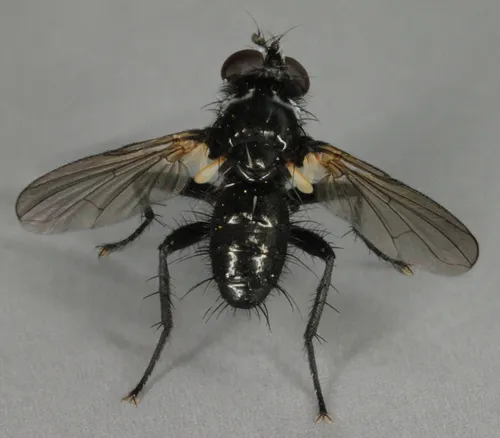
Phania funesta
Length 3.5 to 5 mm. Glossy black with pale 'shoulders' (dusted humeri and notopleuri). Very bristly. Phania thoracica is the only other species in the genus and is a rare species found in the south. It has a more reddish abdomen, is larger (4.5-7mm)
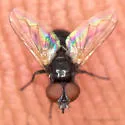
Phasia aldrichii
Phasia aldrichii
In southern California, P. aldrichii attacks Nysius raphanus (Lygaeidae) in the spring; its second generation parasitises Geocoris spp. (Geocoridae) (Clancy & Pierce 1966 fide )
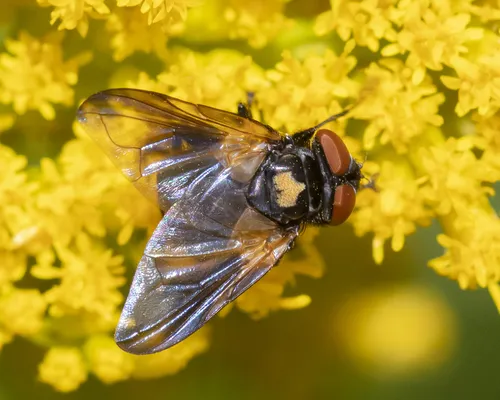
Phasia aurulans
Phasia aurulans
Identification: In males, a large golden-pruinose spot (roughly pentagonal in shape with tapered apex) is located on the post-sutural portion of the scutum (dorsum of thorax), as seen below: This thoracic spot is uniquely diagnostic of the male of P.
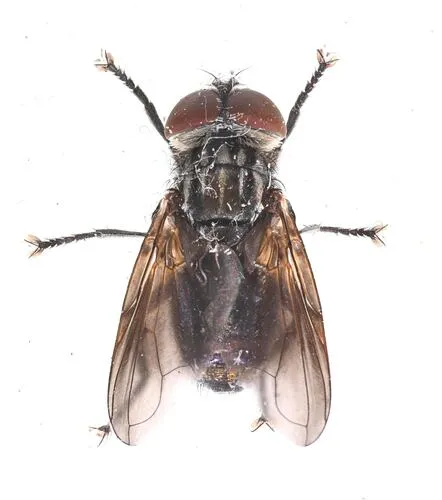
Phasia chilensis
Phasia chilensis
Identification: Lower frons with a few hairs outside of frontal bristles; two katepisternal bristles; face not projecting at bottom (no "chin"); thorax with distinct stripes; abdomen black with a variable amount of yellowish pruinosity on last two se
Phasia fenestrata
Phasia fenestrata
Identification: The presence of yellow tibiae uniquely distinguishes this taxon among the 14 nearctic species treated in Sun & Marshall , though the tibiae may also be brown (and the fore-tibiae black). All other nearctic species of Phasia have tibia
Phasia hemiptera
Phasia hemiptera
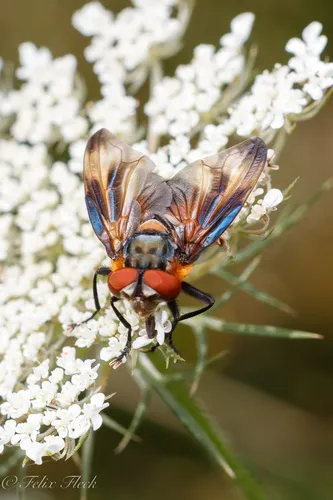
One of a small group of distinctive Tachinid flies. This species is strongly sexually dimorphic the female has noticeable orange hair patches on the sides of the thorax, and the abdomen shows some subdued orange marking. The males are even more colou
Phasia obesa
Phasia obesa
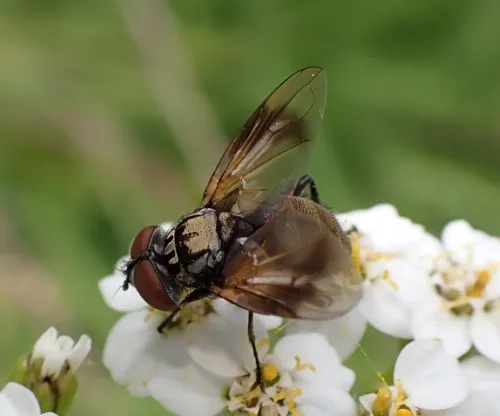
Length 4-6mm. Abdomen with light grey markings viewed from above/behind. Unless identified by a recognised expert, a photo is required and the specimen should be examined with a microscope. In the comments box, state the key or ID method used and des
Phasia robertsonii
Phasia robertsonii
Identification: Many hairs outside the frontal bristles, extending to or nearly to eye. Mesonotum nearly shining, without stripes. Abdomen shining purplish black or with yellowish or greyish pruinosity.
Phryxe nemea
Phryxe nemea
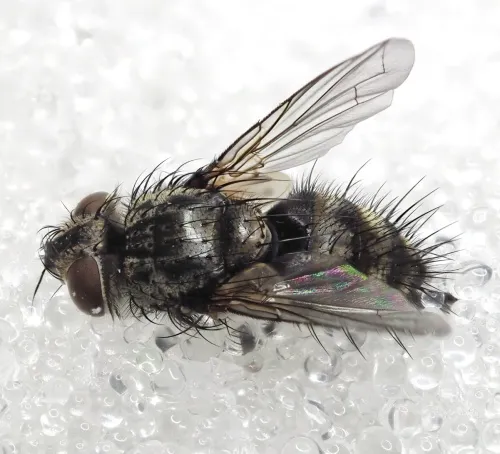
c8mm. A common tachinid fly but without any obvious features. The abdomen is grey with black cross bands and the thorax has several black stripes. The scutellum usually has a pale red/brown tint towards the tip. A key character of the Phryxe genus is
Phyllomya pictipennis
Phyllomya pictipennis
Phyllomya pictipennis was described from Guerrero, Mexico. Specimens from Arizona have a slightly different wing pattern and may be an undescribed species.
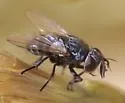
Phytomyptera convecta
Phytomyptera convecta
Identification: One of two species of Phytomyptera with brached antennae in males. The other species, P. vitinervis , is missing the tip of vein M.
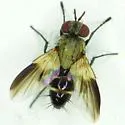
Phytomyptera johnsoni
Phytomyptera johnsoni
Identification: Note the large bristle above the node of Rs, the obtuse bend of vein M, wing pattern, and broad fore tarsi of female. Each of these characters occurs in other Tachinidae; they are useful in combination. The most similar species, Phy
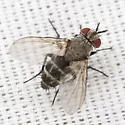
Phytomyptera melissopodis
Phytomyptera melissopodis
Identification: Distinguished from other eastern Phytomyptera with similar color pattern by presence of three small bristles near the tip of vein R1 and male antenna triangular (not split into two forks).
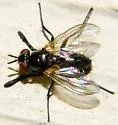
Phytomyptera nigra
Phytomyptera nigra
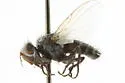
Identification: Female tarsi greatly enlarged (similar to Phytomyptera tarsalis ), body shining black.
Phytomyptera ruficornis
Phytomyptera ruficornis
Identification: The combination of red antennae and missing tip of vein M is unusual in the family, but not unique. Male has forked antenna, the origin of the genus name Schizotachina .
Prosena siberita 0
Prosena siberita
Identification: Distinguished from Dexiini other than Mochlosoma by the long, straight (or at least not upcurved) proboscis
Pseudoperichaeta nigrolineata
Pseudoperichaeta nigrolineata
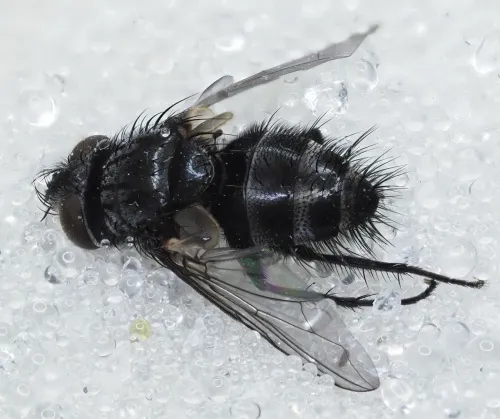
Body length about 6 mm. Pseudoperichaeta nigrolineata bears a strong resemblance to Phryxe sp.in particular, but differs, among other things, in that the brushes above the vibrissae reach halfway up the face edge and that on the middle rail bone ther
Ptilodexia maculata
Ptilodexia maculata
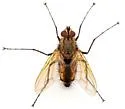
Identification: Most importantly, strongly contrasting dark patches under the tips of the femora. Body with a lot of red or orange.
Siphona geniculata
Siphona geniculata
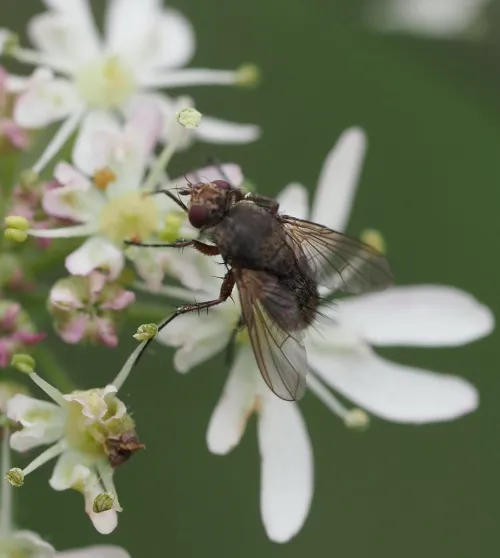
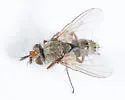
Approx. 7mm. Generally green-grey and with orange femora and tibia. Flies in this genus have a very long and thin rigid articulated proboscis. Identification within the genus is challenging and relies on a combination of features - see ID guidance be
Siphona intrudens
Siphona intrudens
Identification: Dissection of male needed to separate from the similar Siphona maculata. Females are difficult to separate.
Smidtia fumiferanae
Smidtia fumiferanae
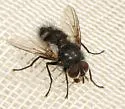
An important parasite of the pupal stage of spruce budworms ( Choristoneura spp.). Also attacks other Lepidoptera.
Spallanzania hebes
Spallanzania hebes
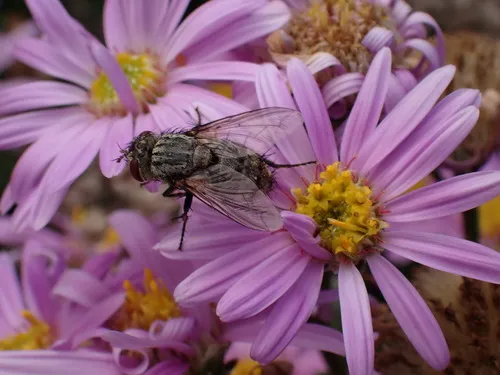
Identification: "The two species of Spallanzania in Canada, S. hebes and S. hesperidarum , are readily distinguished from one another by features of the head. Spallanzania hebes has parafacial with scattered hairs, the width of parafacial is three ti
Spathidexia dunningii
Spathidexia dunningii
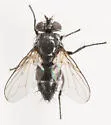
Identification: The most shiny black species of the genus Spathidexia . The only host record is the skipper Ochlodes yuma , a species limited to the Southwest. Given the wide range of the fly it must have other hosts. O'Hara (2025) writes "DNA barc
Strongygaster didyma
Strongygaster didyma
Identification: Veins R4+5 and M meet at or close to the wing margin, unlike other species of Strongygaster .
Tachina fera
Tachina fera
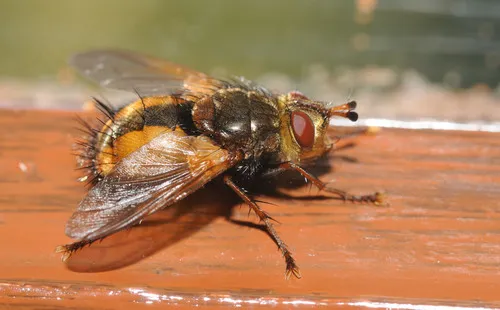
Tachina fera is a large (9 to 16 mm) and bristly fly with a prominent broad black stripe down the centre of an otherwise orange abdomen. It has a relatively narrow frons and red-brown front tarsi which helps to distinguish it from the very similar Ta
Tachina lurida
Tachina lurida
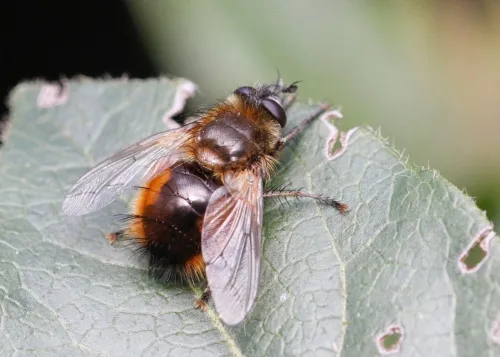
This species lacks the pale stripes across the posterior edges of each tergite and has bolder orange abdominal side patches than Tachina ursina, the other similar species that may be encountered at the start of April. Unless identified by a recognise
Tachina magnicornis
Tachina magnicornis
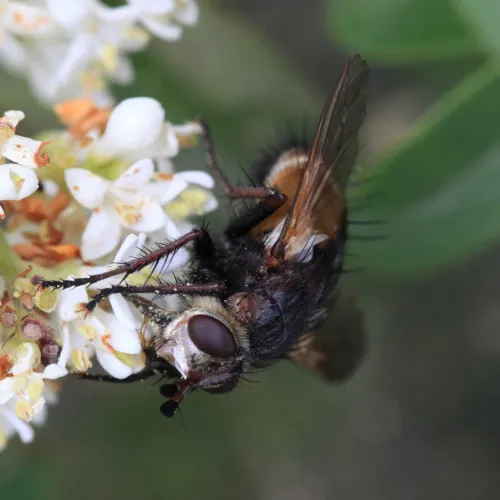
Closely resembling T . fera but with the tarsi much darker and a broader frons (male usually more one one-third the head width, female about two-fifths the head width). More information: https://www.flickr.com/photos/63075200@N07/albums/7217772030360
Tachina marklini
Tachina marklini
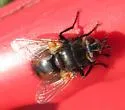
Identification: Abdomen with orange sides (not as prominent as most Nowickia ), tergite 1+2 with a pair of median marginals, tergite 3 with 3 pairs of median marginals, basicosta contrasting yellow.
Tachina nitida
Tachina nitida
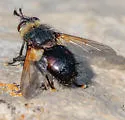
Identification: The male is all black (no bright orange on the abdomen) with enlarged third segment of the antenna, variously described as ax-shaped or boot-shaped in the literature.
Thelaira nigrina
Thelaira nigrina
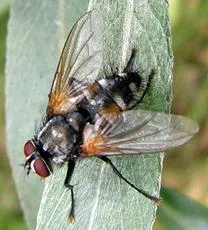
This is a long-legged, hairy fly with plumose antennae. The central dark band down the back of the abdomen is bordered by orange and white. Thelaira solivago is very similar and easily confused. This has 3 long anterodorsal bristles on the mid tibia
Thelaira solivaga
Thelaira solivago
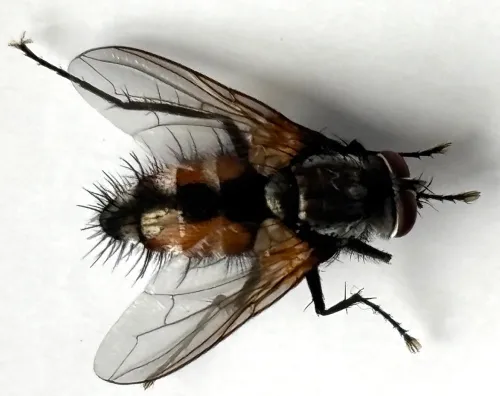
7.5-12mm. A relatively large tachinid. Males have strong orange sides to the abdomen with a broad, dark medial stripe - about one third the width of the abdomen. Both sexes have 4 strong bristles on the mid tibia (only 2-3 in T. nigrina ). Females la
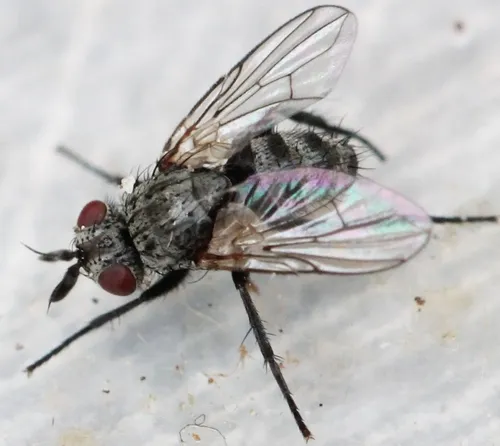
Triarthria setipennis
Triarthria setipennis
Identification: Arista with three nearly equal segments (see Manual of Nearctic Diptera page 1231 figure 132). Face with downcurved bristles well separated from frontal bristles. Vein M with obtuse bend similar to Siphonini. R1 and R4+5 hairy alon
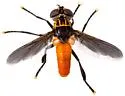
Trichopoda elongata
Trichopoda elongata
Identification: Face slightly receding (not receding in most Trichopoda ), postpedicel at least twice as long as combined basal segments of antenna (shorter in most Trichopoda ), male abdomen entirely and female abdomen mostly red, crossvein dm-cu ve
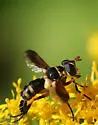
Trichopoda plumipes
Trichopoda plumipes
Identification: abdomnal markings dstinctive (pairs of rectangular yellow spots); scutellum yellow, wing with wide well-defined posterior hyaline band. ―Gary J. Steck
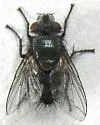
Tsugaea nox
Tsugaea nox
Identification: Distinguished from other Eryciini and Goniini by the combination of hairy eyes and vein M ending in R4+5 very close to wing margin.
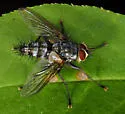
Uramya limacodis
Uramya limacodis
Identification: Wings unmarked, males with narrow frons and no tail, legs black.
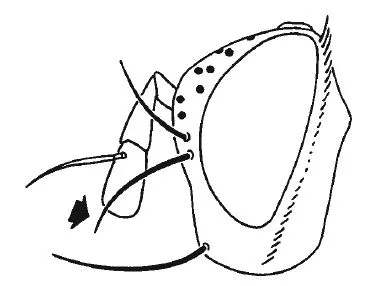
Voria ruralis
Voria ruralis
A mainly black species well covered with long bristly hairs. Head profile of Voria ruralis with strong, down-turned bristle on the parafacialia. Various habitats, flower meadows, scrub, waste ground etc. Late June to early October, peaking in late Au
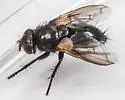
Wagneria vernata
Wagneria vernata
Identification: Distinguished from other Wagneria and Periscepsia by the bright orange-yellow arista and second antenna segment.
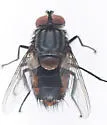
Winthemia rufopicta
Winthemia rufopicta
Identification: "The males are distinguished from those of all the other species by the greatly narrowed front and by having the hind tibia thickly and evenly ciliate, rarely with a longer bristle in the row." (Guimarães 1972) Parasitoids of large c
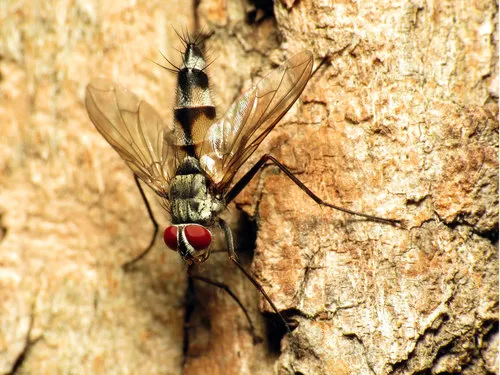
Zelia vertebrata
Zelia vertebrata
Identification: In the Northeast probably distinguishable from other species by the abdominal pattern combined with absence of strong bristles on the first two segments of the abdomen. Z. vertebrata has been defined as with the face also either longe
Zelia zonata
Zelia zonata
Identification: Distinguished from other eastern Zelia by the combination of 3 postsutural dorsocentrals, abdomen without a contrasting black median stripe, and median marginal bristles on tergite 3 (second visible).
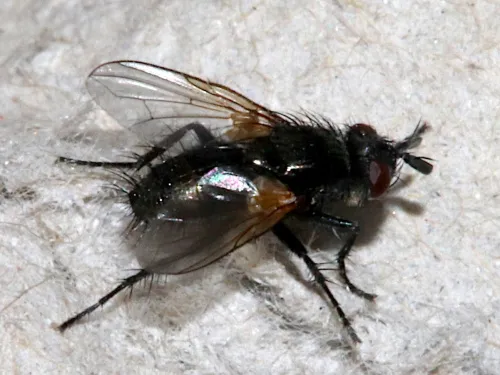
Zophomyia temula
Zophomyia temula
8-10.5 mm. Jet black and glossy but with yellow wing bases. Legs all black. The eyes are bare. Wing cell R4+5 is narrowly open at the wing margin. Tachina grossa is much larger and more stocky. Mesembrina meridiana (Noon Fly) lacks the bristles. No a
Actia diffidens
Actia diffidens
Actia dimorpha
Actia dimorpha
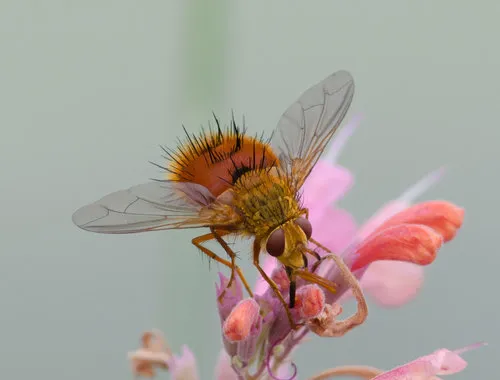
Tachinid Fly -Adejeania spp.
Adejeania vexatrix
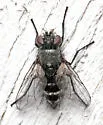
Admontia pergandei
Admontia pergandei
Admontia pollinosa
Admontia pollinosa
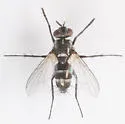
Admontia rufochaeta
Admontia rufochaeta
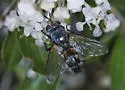
Aphria ocypterata
Aphria ocypterata
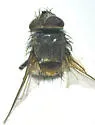
Aplomya theclarum
Aplomya theclarum
Archytas analis
Archytas analis
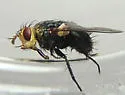
Archytas aterrimus
Archytas aterrimus
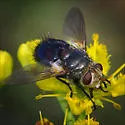
Archytas lateralis
Archytas lateralis
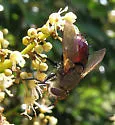
Archytas rufiventris
Archytas rufiventris
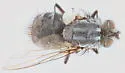
Ateloglossa isolata
Ateloglossa isolata
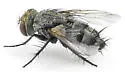
Athrycia cinerea
Athrycia cinerea
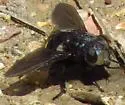
Belvosia canadensis
Belvosia canadensis
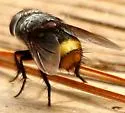
Belvosia semiflava
Belvosia semiflava
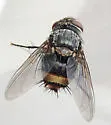
Belvosia townsendi
Belvosia townsendi
Beskia aelops
Beskia aelops
Besseria anthophila
Besseria anthophila
Besseria atra
Besseria atra
Billaea sibleyi
Billaea sibleyi
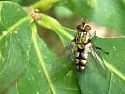
Calolydella lathami
Calolydella lathami
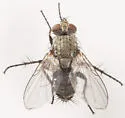
Campylocheta eudryae
Campylocheta eudryae

Campylocheta townsendi
Campylocheta townsendi
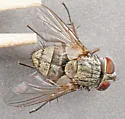
Carcelia amplexa
Carcelia amplexa
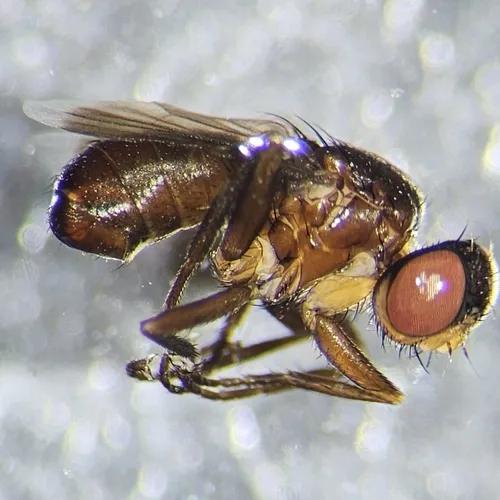
Catharosia calva
Catharosia calva
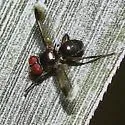
Catharosia nebulosa
Catharosia nebulosa
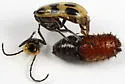
Celatoria diabroticae
Celatoria diabroticae
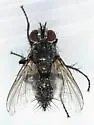
Ceracia dentata
Ceracia dentata
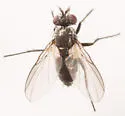
Chaetostigmoptera manca
Chaetostigmoptera manca
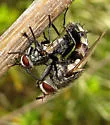
Chetogena tachinomoides
Chetogena tachinomoides
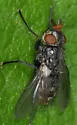
Chromatocera setigena
Chromatocera setigena
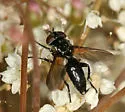
Clairvillia nitoris
Clairvillia nitoris
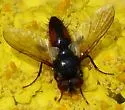
Clairvillia timberlakei
Clairvillia timberlakei
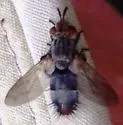
Copecrypta ruficauda
Copecrypta ruficauda
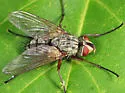
Cryptomeigenia dubia
Cryptomeigenia dubia
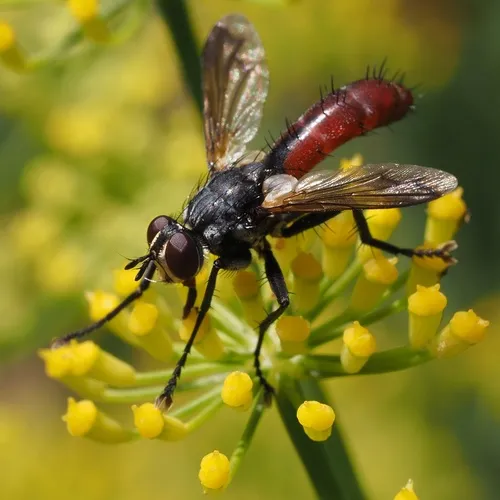
Cylindromyia bicolor
Cylindromyia bicolor
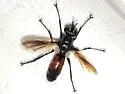
Cylindromyia fumipennis
Cylindromyia fumipennis
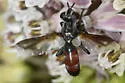
Cylindromyia nana
Cylindromyia nana
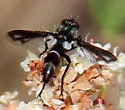
Cylindromyia signatipennis
Cylindromyia signatipennis
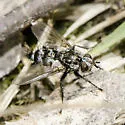
Cyrtophleba coquilletti
Cyrtophleba coquilletti
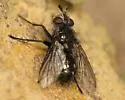
Cyrtophleba nitida
Cyrtophleba nitida
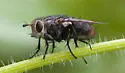
Deopalpus contiguus
Deopalpus contiguus
Dexia ventralis 0
Dexia ventralis
Drepanoglossa lucens
Drepanoglossa lucens
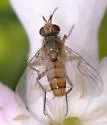
Drepanoglossa tenuirostris
Drepanoglossa tenuirostris