
THE INSECTLIBRARY FIELD GUIDES
Assassin BugIdentification, facts & practical guidance
Assassin bugs are Reduviidae. Many hunt other insects, but the family also includes blood-feeding kissing bugs; those groups need to be distinguished.
Compiled by the InsectLibrary Team · Updated · Editorial policy
Identification and lookalikes
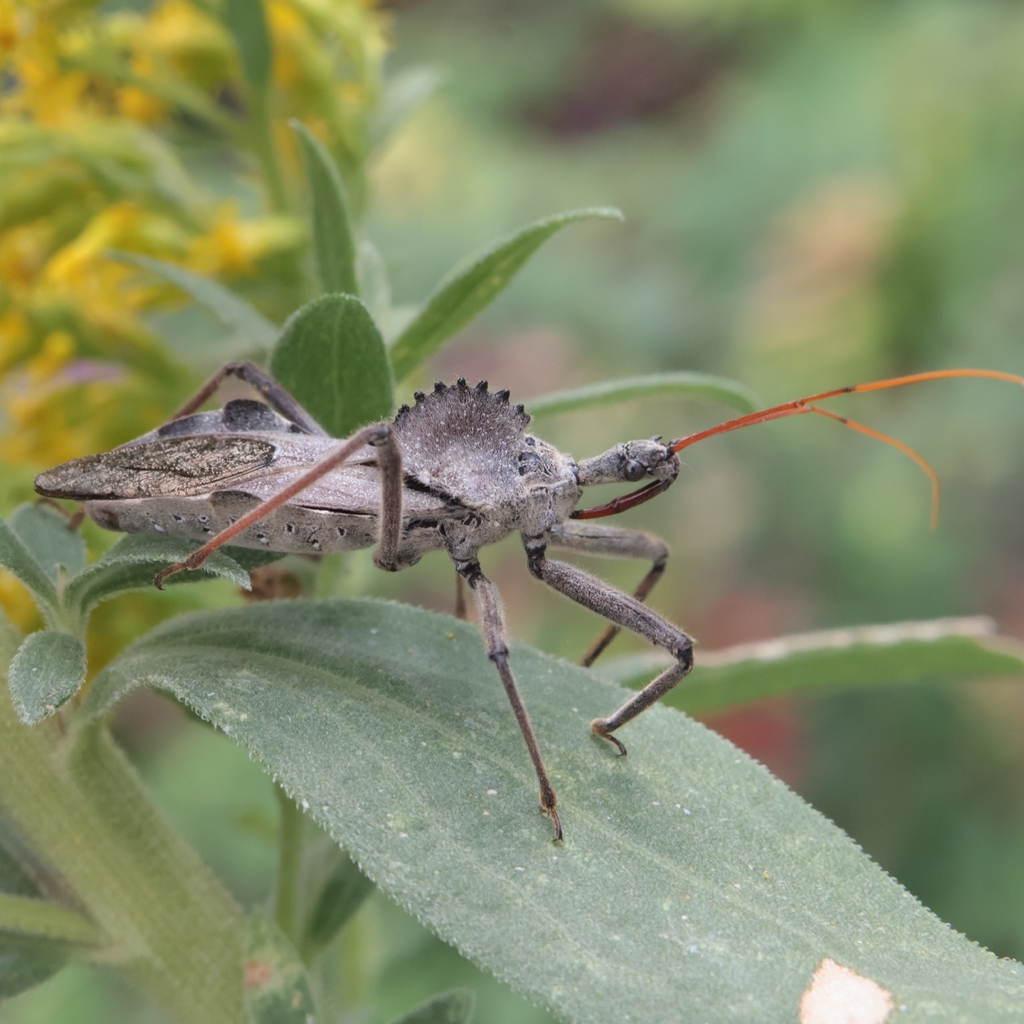
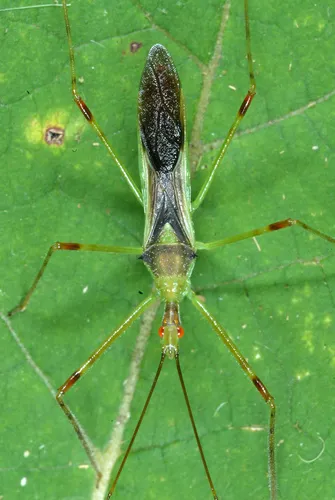
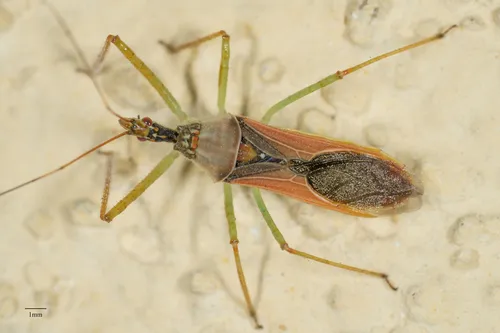
Many have a narrow head and a stout piercing beak. Body shape varies, and a wheel bug’s raised thoracic crest is a feature of that example, not every assassin bug.
Predators versus kissing bugs
A predatory assassin bug uses its beak to subdue prey and can bite defensively. Kissing bugs have a different feeding ecology and public-health significance. Do not assign kissing-bug risks to every reduviid or dismiss an unidentified one as harmless.
What to do next
Do not pick it up. Photograph from a distance and obtain local identification if it resembles a kissing bug or was found in a concerning exposure. Seek medical advice for significant symptoms after a bite.
Assassin Bug: species profiles
Explore 154 species profiles covered by this guide, with recorded names and available photos.
Wheel Bug
Arilus cristatus
(c) Shinobu, some rights reserved (CC BY)Assassin Bug -Zelus luridus
Zelus luridus
Leafhopper Assassin Bug
Zelus renardii
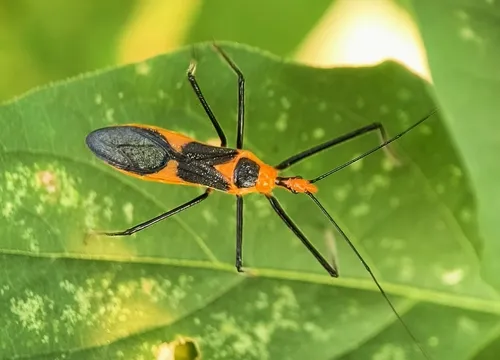
Milkweed Assassin Bug
Zelus longipes
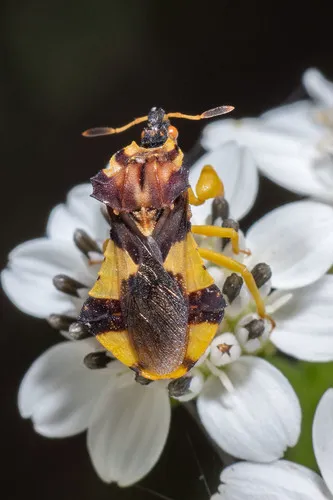
Jagged Ambush Bug
Phymata americana
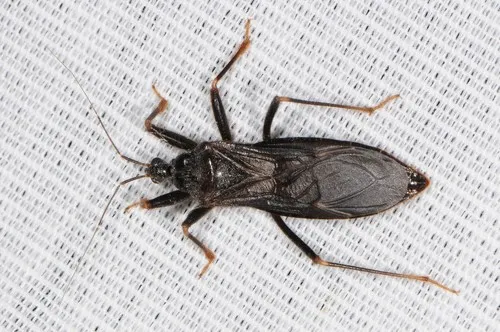
Masked Hunter
Reduvius personatus
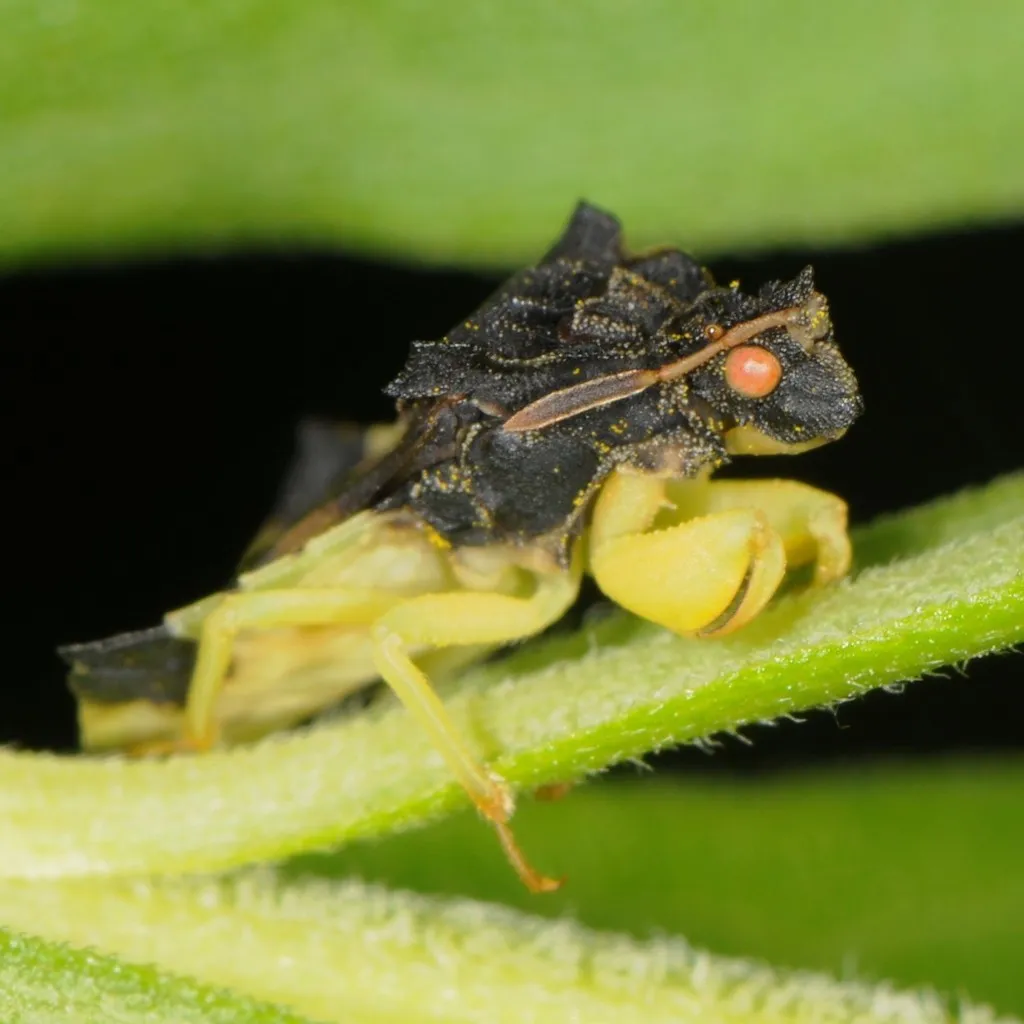
Pennsylvania Ambush Bug
Phymata pennsylvanica
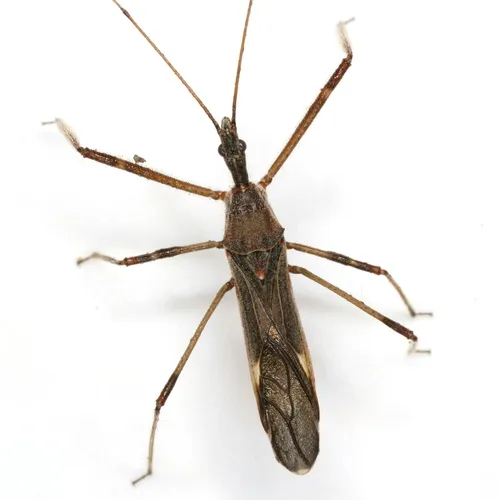
Four-spurred Assassin Bug
Zelus tetracanthus
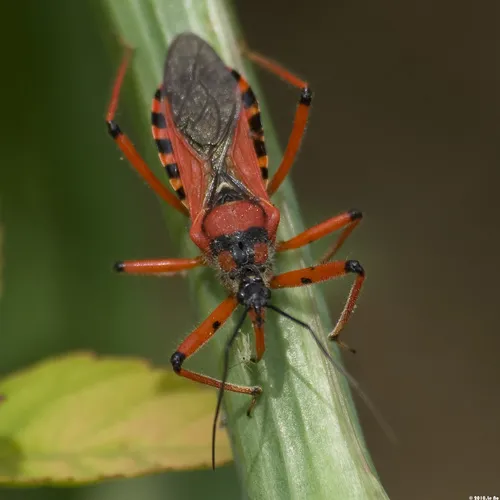
Rhynocoris iracundus
Rhynocoris iracundus
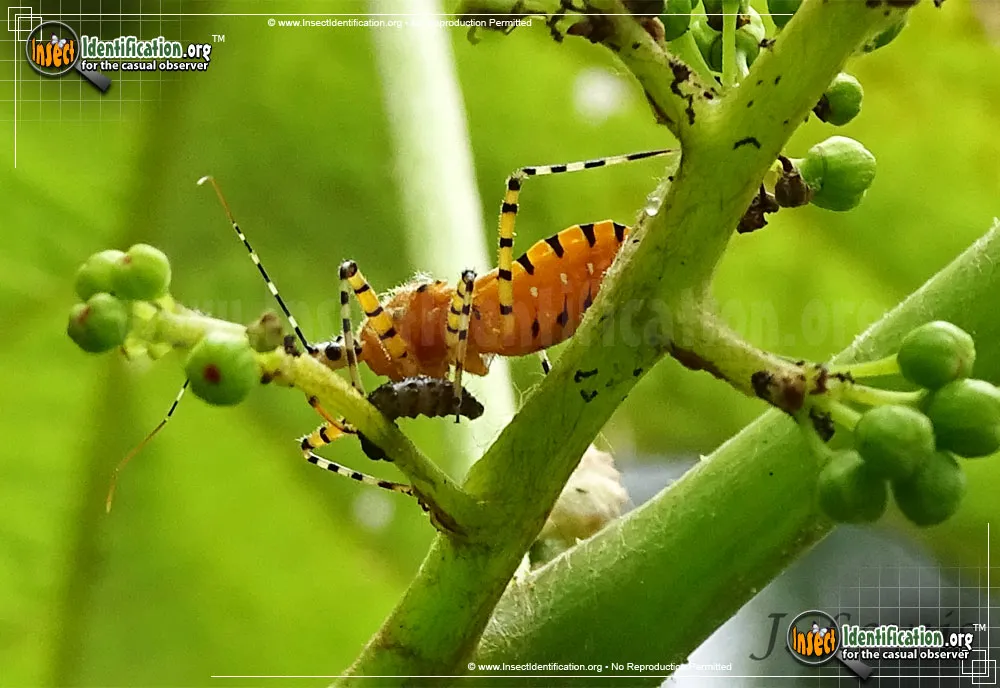
Orange Assassin Bug
Pselliopus barberi
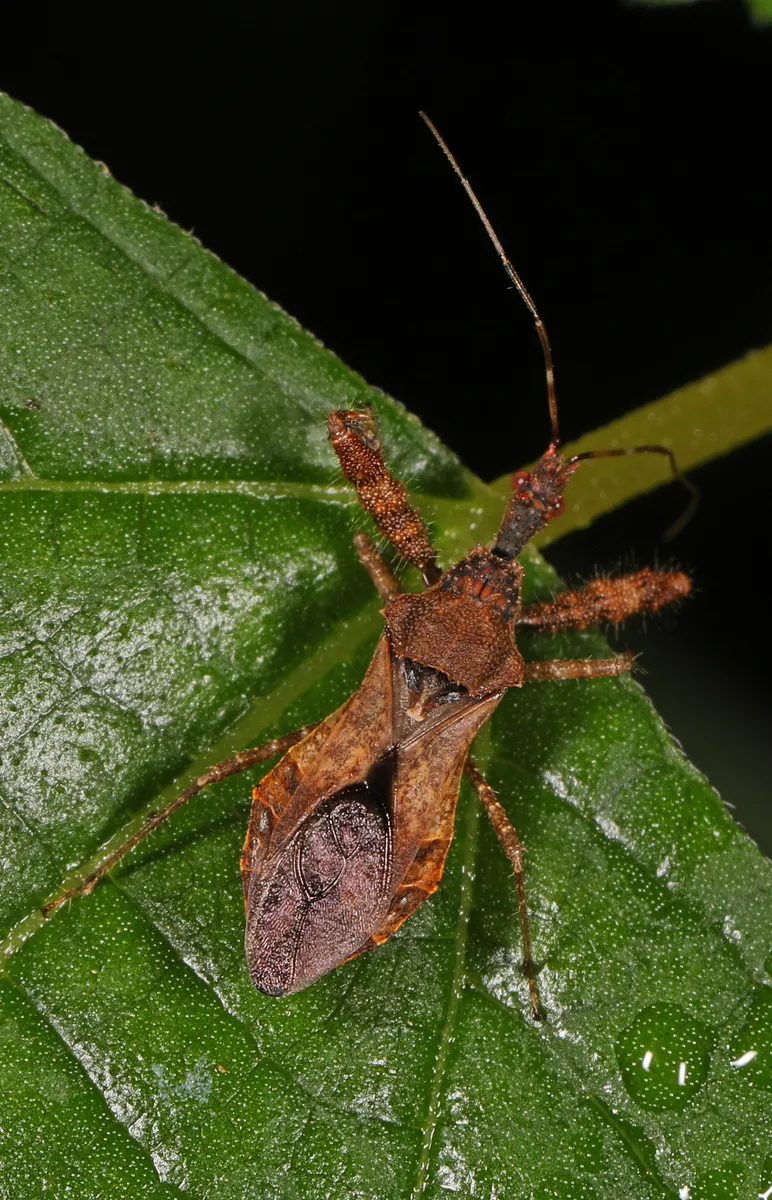
Spiny Assassin Bug
Sinea spinipes
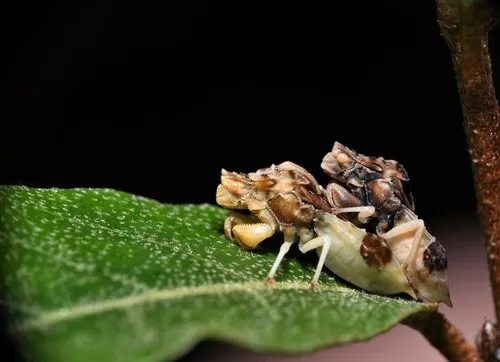
Jagged Ambush Bug
Phymata fasciata
Showing 12 of 154 species. Browse all in Hemiptera →
Sources and further reading
- mdc.mo.gov - assassin bugshttps://mdc.mo.gov/discover-nature/field-guide/assassin-bugs
- cdc.gov - indexhttps://www.cdc.gov/chagas/about/index.html
References support the subject discussed here; they do not certify every imported directory record. Regional sources describe their own locations. Read our source and correction policy.