
Corn Delphacid
Peregrinus maidis
This record describes Peregrinus maidis (species). Recorded family: Delphacidae. Recorded order: Hemiptera.
Identification and Appearance
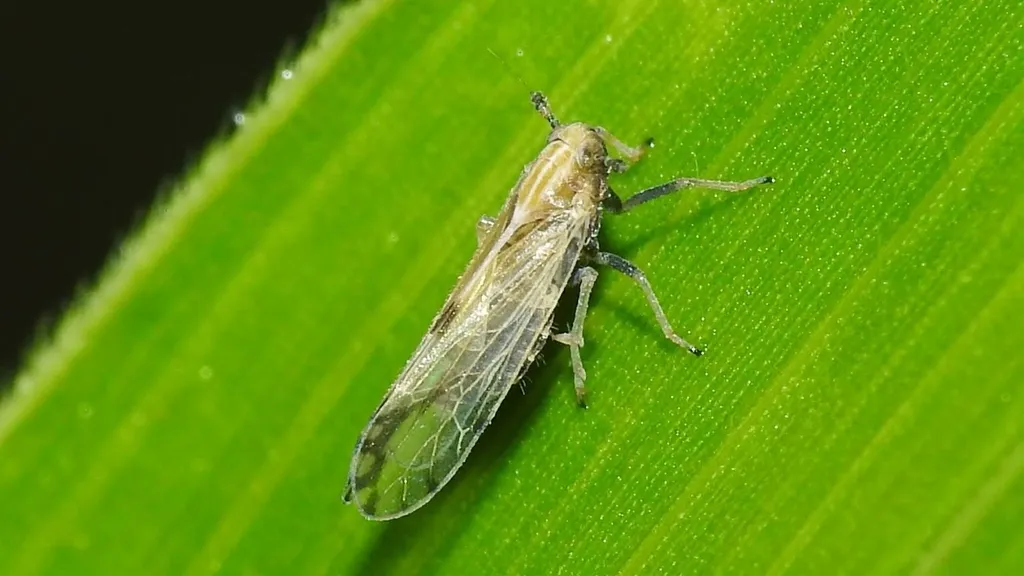
distinctive, larger than many delphacids with slightly patterned wings and a pale stripe along the midline of the body; the middle carina of the face is forked well below the top of of the head in frontal view. Also, when viewing the specimen from the front, the face is often straw-colored near the top of the head and darker on lower portions of the face. On host plants, short-winged forms can be very abundant. chain of pale spots on a dark band along the wing tips is characteristic - comment by Andy Hamilton, 2010 vector of Finger millet mosaic virus (FMMV), Iranian maize mosaic virus (IMMV), Maize sterile stunt virus (MSSV), and Maize stripe virus (MSV). It is a very common and mobile species that is frequently found at lights considerable distances from likely host plants. Considered invasive in this country (from Africa). (Capinera, 2002))
Wikipedia reference for Peregrinus maidis: http://en.wikipedia.org/wiki/Peregrinus_maidis.
Classification
- Kingdom
- Animalia
- Phylum
- Arthropoda
- Class
- Insecta
- Order
- Hemiptera (True Bugs, Cicadas, Hoppers, Aphids and Allies)
- Suborder
- Auchenorrhyncha
- Superfamily
- Delphacoidea
- Family
- Delphacidae (Delphacid Planthoppers)
- Subfamily
- Delphacinae
- Tribe
- Delphacini
- Genus
- Peregrinus
Imported taxonomy record. Source availability varies; see the source references and editorial policy below.
Habitat and Range
Geographic Range
se US, s.Calif. / pantropical sp. - Map , everywhere corn is grown, originally from Africa
Diet and Behavior
Diet: feeds on a variety of grasses; best known as a pest on corn and sugar cane
Additional species information
Species notes from the sources
Etymology: maidis 'of corn'
About True Bugs, Cicadas, Hoppers, Aphids and Allies: the wider group
Order-level background for Hemiptera, the group containing Peregrinus maidis. Species-specific details appear above.
Group overview
Hemiptera (true bugs) includes over 80,000 described species across cicadas, aphids, leafhoppers, shield bugs, and bed bugs. Aphids alone cost global agriculture an estimated $2.5 billion annually in crop losses.
Ecological role of the group
Many Hemiptera are essential food sources for birds and predatory insects. Cicadas provide massive nutrient pulses during emergence events - a single Brood X emergence can involve trillions of individuals across 15 states.
Economic and practical significance of the group
The brown marmorated stink bug (Halyomorpha halys) caused $37 million in apple crop losses in a single year in the U.S. Mid-Atlantic region. Bed bug infestations in the U.S. increased by 500% between 2001-2010, costing the hotel industry hundreds of millions annually.
Recorded sources for this group: USDA, EPA, University research. Imported estimates may describe particular regions or reporting periods.
Photos of Corn Delphacid (3)
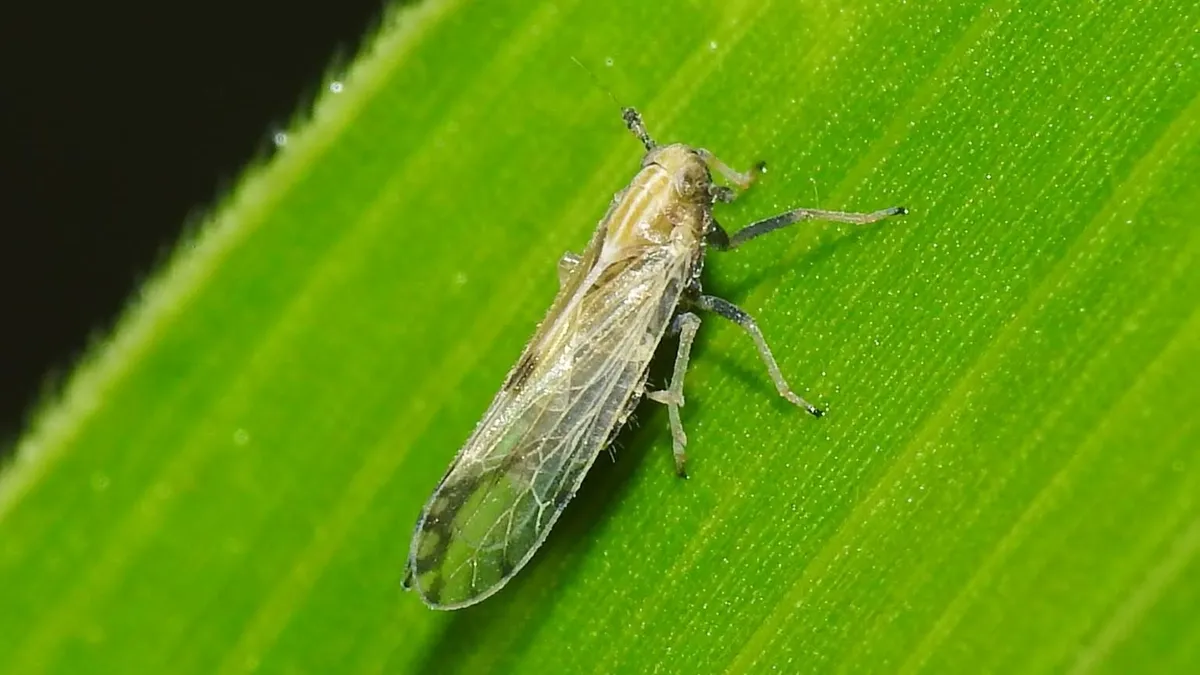
Photo credits: Contributed by Chuck Entz; Additional contributions by Beatriz Moisset , Mike Quinn , Robert Lord Zimlich , v belov
Frequently Asked Questions About Corn Delphacid
What is Corn Delphacid?
Corn Delphacid (Peregrinus maidis) is a species in the family Delphacidae, within the order Hemiptera.
How do you identify Corn Delphacid?
distinctive, larger than many delphacids with slightly patterned wings and a pale stripe along the midline of the body; the middle carina of the face is forked well below the top of of the head in frontal view. Also, when viewing the specimen from the front, the face is often straw-colored near the top of the head and darker on lower portions of the face. On host plants, short-winged forms can be very abundant. chain of pale spots on a dark band along the wing tips is characteristic - comment by Andy Hamilton, 2010
Where is Corn Delphacid found?
Range: se US, s.Calif. / pantropical sp. - Map , everywhere corn is grown, originally from Africa
What does Corn Delphacid eat?
The diet of the Corn Delphacid includes feeds on a variety of grasses; best known as a pest on corn and sugar cane.