
Trigonorhinus limbatus
This record describes Trigonorhinus limbatus (species). Recorded family: Anthribidae. Recorded order: Coleoptera.
Identification and Appearance
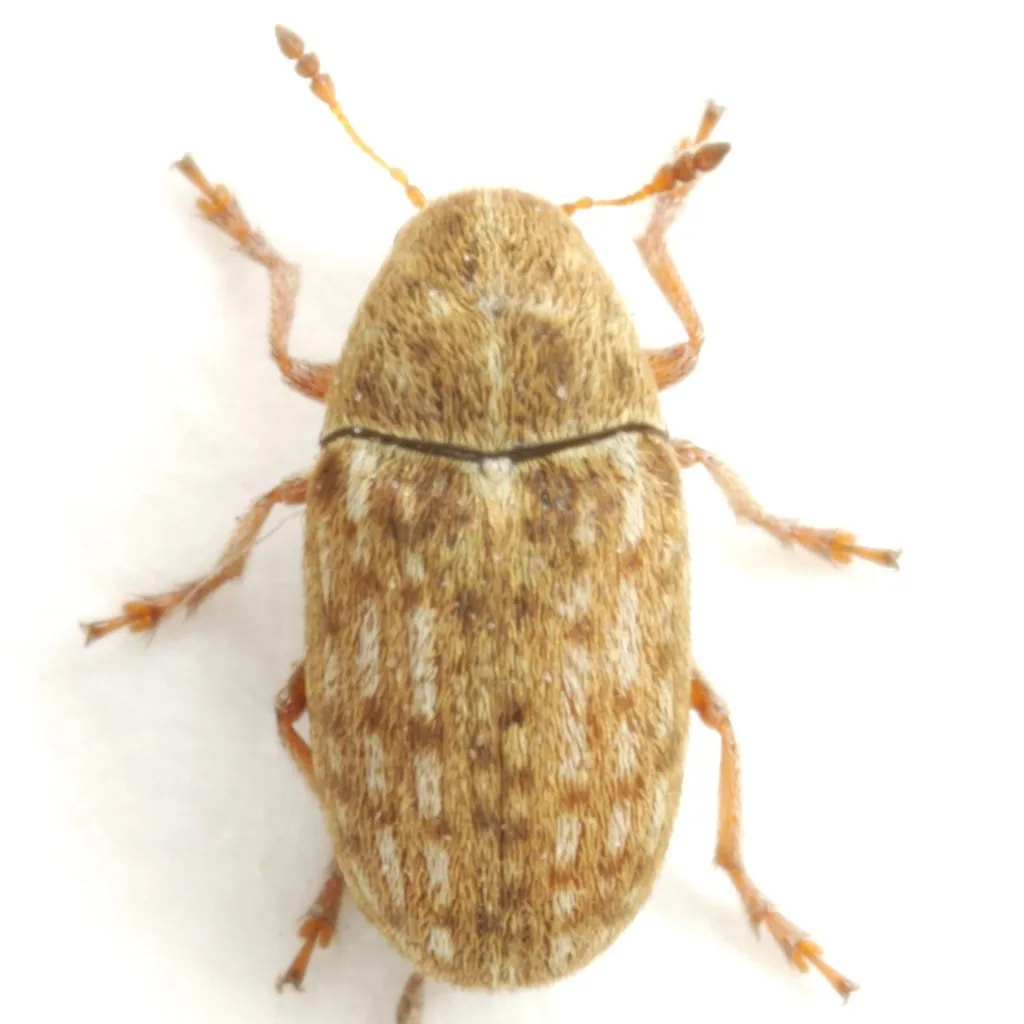
This sp. is being slowly reduced to isolated populations by competition with a related phenotype - T. l. vestitus (Say). I believe vestitus emerged from a hybrid stew ( limbatus x griseus (LeC.) originating in Texas, spreading and out-competing the two parental populations. There used to be (in the early 1900s) places in Texas where no two specimens looked alike. Now at those sites only vestitus phenotypes occur, and, in fact, vestitus has now taken over the entire seUS except peninsular Florida. The explosion and rapid spread of T. l. vestitus in seUS was tremendously aided by the emergence of Helenium amarum (= tenuifolium ) as a very aggressive weed which now occurs almost everywhere in the southern states. (Barry Valentine, pers. comm.)
Wikipedia reference for Trigonorhinus limbatus: http://en.wikipedia.org/wiki/Trigonorhinus_limbatus.
Classification
- Kingdom
- Animalia
- Phylum
- Arthropoda
- Class
- Insecta
- Order
- Coleoptera (Beetles)
- Suborder
- Polyphaga
- Superfamily
- Curculionoidea
- Family
- Anthribidae (Fungus Weevils)
- Subfamily
- Anthribinae
- Genus
- Trigonorhinus
Imported taxonomy record. Source availability varies; see the source references and editorial policy below.
Habitat and Range
Geographic Range
transcontinental, NY‒SK‒WA to Honduras - Map , mostly sc. US
Seasonal Activity
mostly: Apr-Jun ( 3 )
Diet and Behavior
Diet: most iNat records on Indian blanket ( Gaillardia pulchella , Asteraceae) ( 3 )
Life History
T. l. limbatus feeds on pollen of various composites, especially Helenium (sneezeweed), Coreopsis , and some similar daisy-like flowers, and the larvae bore in the flower receptacle and stem. (Barry Valentine, pers. comm.) damaged Sneezeweed flowers ▪ larva ▪ larvae ▪ cocoon with dead adult ▪ adult
Additional species information
Species notes from the sources
Etymology: Trigonorhinus limbatus (Say 1827)
About Primitive Winged Insects: the wider group
Order-level background for Coleoptera, the group containing Trigonorhinus limbatus. Species-specific details appear above.
Group overview
Coleoptera is the largest order of insects with over 400,000 described species, representing ~25% of all known animal species and ~40% of all insects. In the U.S. alone, nearly 30,000 beetle species have been identified.
Ecological role of the group
Beetles are prominent decomposers, especially in forests, breaking down dead wood and recycling nutrients. As predators, they reduce populations of pest insects. Many species are also important pollinators of flowering plants.
Economic and practical significance of the group
Beetles have major economic significance: leaf beetles (Chrysomelidae) and weevils (Curculionoidea) are among the most destructive agricultural pests globally, costing billions annually, while predatory species like ladybugs provide natural pest control.
Recorded sources for this group: Britannica, Smithsonian, NCSU Entomology. Imported estimates may describe particular regions or reporting periods.
Photos of Trigonorhinus limbatus (3)
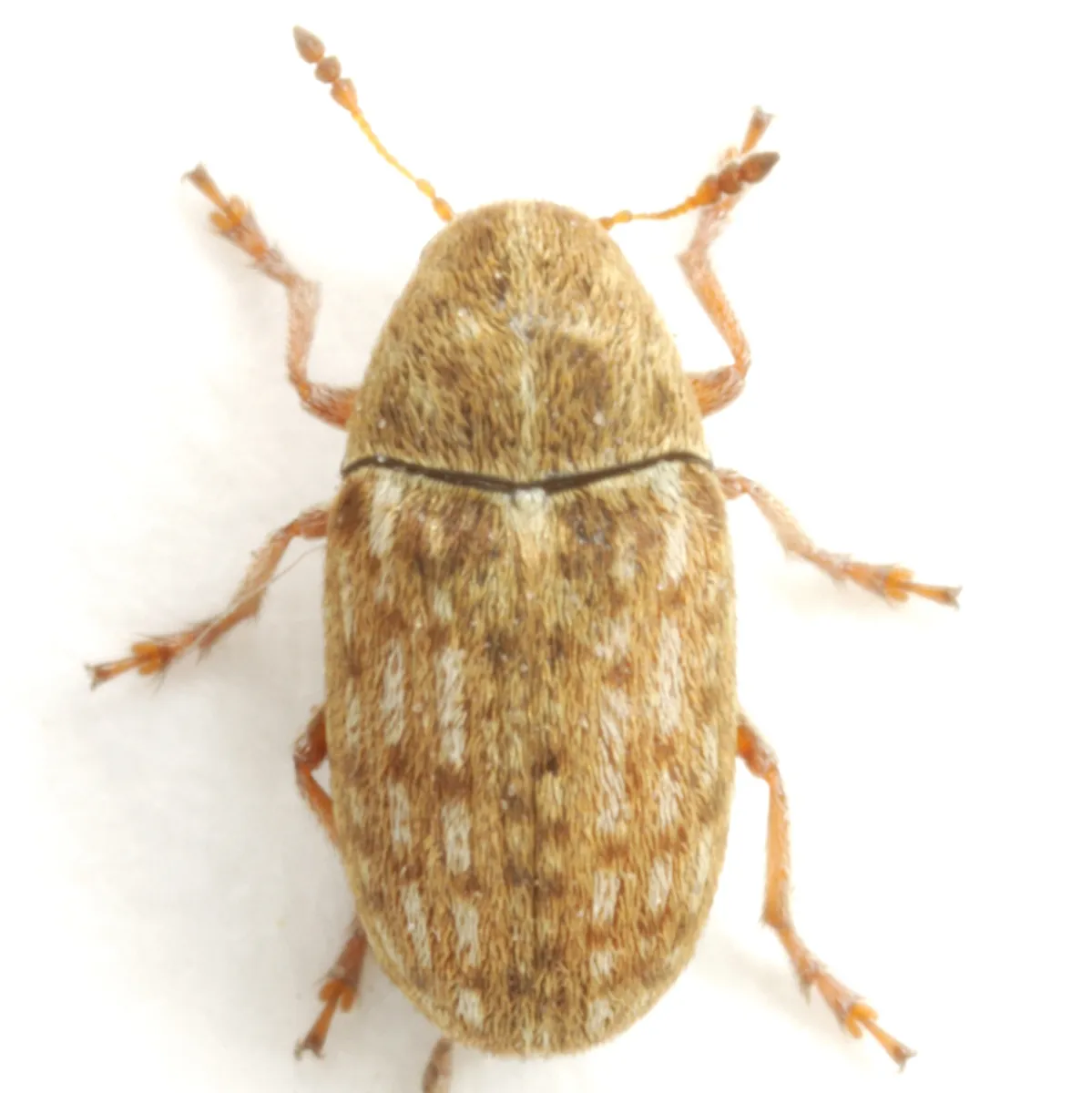
Photo credits: Contributed by Boris Büche; Additional contributions by tom murray , Mike Quinn , v belov , marcie oconnor
Frequently Asked Questions About Trigonorhinus limbatus
What is Trigonorhinus limbatus?
Trigonorhinus limbatus is a species in the family Anthribidae, within the order Coleoptera.
Where is Trigonorhinus limbatus found?
Range: transcontinental, NY‒SK‒WA to Honduras - Map , mostly sc. US
What does Trigonorhinus limbatus eat?
The diet of the Trigonorhinus limbatus includes most iNat records on Indian blanket ( Gaillardia pulchella , Asteraceae) ( 3 ).
When is Trigonorhinus limbatus active?
Trigonorhinus limbatus: seasonal activity - mostly: Apr-Jun ( 3 ).
What is the life cycle of a Trigonorhinus limbatus?
T. l. limbatus feeds on pollen of various composites, especially Helenium (sneezeweed), Coreopsis , and some similar daisy-like flowers, and the larvae bore in the flower receptacle and stem. (Barry Valentine, pers. comm.) damaged Sneezeweed flowers ▪ larva ▪ larvae ▪ cocoon with dead adult ▪ adult