
Thistle Crown Weevil
Trichosirocalus horridus
This record describes Trichosirocalus horridus (species). Recorded family: Curculionidae. Recorded order: Coleoptera.
Identification and Appearance
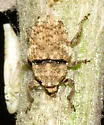
Body densely covered with brownish scales, which form no definite pattern. Additionally, dorsal surface with numerous stiff, erect setae . T. horridus was imported from Italy in 1970-1972 for testing and approved for field release in the USA in 1974. It first became established in VA and has since been relocated to many other states. It is a very effective biocontrol of invasive musk and plume thistles. Unfortunately, it also feeds on some native thistles.
Classification
- Kingdom
- Animalia
- Phylum
- Arthropoda
- Class
- Insecta
- Order
- Coleoptera (Beetles)
- Suborder
- Polyphaga
- Superfamily
- Curculionoidea
- Family
- Curculionidae (Snout and Bark Beetles)
- Subfamily
- Ceutorhynchinae
- Tribe
- Ceutorhynchini
- Genus
- Trichosirocalus
Imported taxonomy record. Source availability varies; see the source references and editorial policy below.
Habitat and Range
Geographic Range
native to Europe, introduced in NA for thistle control ( map )
Diet and Behavior
Diet: feeds on the rosettes of thistles ( Carduus & Cirsium spp., Asteraceae)
Life History
Female lays 500-800 eggs in clusters of 2 or 3 on the underside of leaves. Eggs hatch in 10-12 days. Larvae develop in basal portion of stem and root crowns. Complete development in 6-8 wks. Full grown larvae pupate in the soil in pupation chambers. Adults emerge in 12-20 days in the spring. They hide until the fall when they begin to feed. They overwinter as adults, eggs and larvae.
About Primitive Winged Insects: the wider group
Order-level background for Coleoptera, the group containing Trichosirocalus horridus. Species-specific details appear above.
Group overview
Coleoptera is the largest order of insects with over 400,000 described species, representing ~25% of all known animal species and ~40% of all insects. In the U.S. alone, nearly 30,000 beetle species have been identified.
Ecological role of the group
Beetles are prominent decomposers, especially in forests, breaking down dead wood and recycling nutrients. As predators, they reduce populations of pest insects. Many species are also important pollinators of flowering plants.
Economic and practical significance of the group
Beetles have major economic significance: leaf beetles (Chrysomelidae) and weevils (Curculionoidea) are among the most destructive agricultural pests globally, costing billions annually, while predatory species like ladybugs provide natural pest control.
Recorded sources for this group: Britannica, Smithsonian, NCSU Entomology. Imported estimates may describe particular regions or reporting periods.
Photos of Thistle Crown Weevil (5)
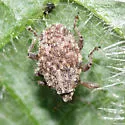
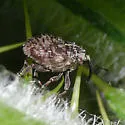
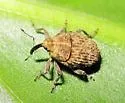
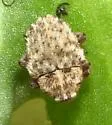
Photo credits: Contributed by tom murray; Additional contributions by Beatriz Moisset , Mike Quinn , Boris Bueche , v belov
Frequently Asked Questions About Thistle Crown Weevil
What is Thistle Crown Weevil?
Thistle Crown Weevil (Trichosirocalus horridus) is a species in the family Curculionidae, within the order Coleoptera.
How big is Thistle Crown Weevil?
3-5 mm
How do you identify Thistle Crown Weevil?
Body densely covered with brownish scales, which form no definite pattern. Additionally, dorsal surface with numerous stiff, erect setae .
Where is Thistle Crown Weevil found?
Range: native to Europe, introduced in NA for thistle control ( map )
What does Thistle Crown Weevil eat?
The diet of the Thistle Crown Weevil includes feeds on the rosettes of thistles ( Carduus & Cirsium spp., Asteraceae).
What is the life cycle of a Thistle Crown Weevil?
Female lays 500-800 eggs in clusters of 2 or 3 on the underside of leaves. Eggs hatch in 10-12 days. Larvae develop in basal portion of stem and root crowns. Complete development in 6-8 wks. Full grown larvae pupate in the soil in pupation chambers. Adults emerge in 12-20 days in the spring. They hide until the fall when they begin to feed. They overwinter as adults, eggs and larvae.