
Texas Cave Scorpion
Pseudouroctonus reddelli
This record describes Pseudouroctonus reddelli (species). Recorded family: Vaejovidae. Recorded order: Scorpiones.
Identification and Appearance
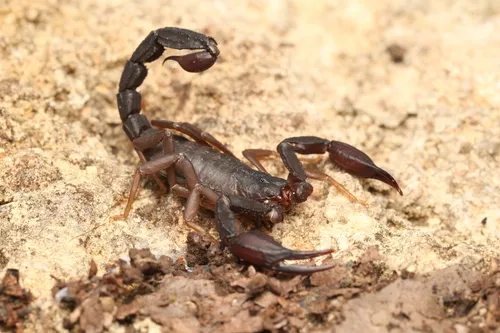
One of the more interesting vaejovids, both ecologically and taxonomically, is Pseudouroctonus reddelli (Gertsch & Soleglad 1972), a relatively large, dark-colored species distributed throughout much of central Texas (Gertsch & Soleglad 1972 ; Stockwell 1986). As with other vaejovids, individuals may be found under surface debris such as rocks or logs. However, P. reddelli is unusual in that it is troglophilic, with the majority of specimens having been captured from caves (Gertsch & Soleglad 1972; Stockwell 1986) despite the lack of any obvious adaptations for cave dwelling (such as lack of eyes or pigmentation, or elongated appendages) as seen in troglobitic scorpions. (Brown 1997)
Classification
- Kingdom
- Animalia
- Phylum
- Arthropoda
- Class
- Arachnida
- Order
- Scorpiones (Scorpions)
- Family
- Vaejovidae
- Genus
- Pseudouroctonus
Imported taxonomy record. Source availability varies; see the source references and editorial policy below.
Habitat and Range
Habitat
Troglophilic. Individuals are usually located fairly close to the cave entrance (within the initial 50–100 m). (Brown 1997)
Geographic Range
"Texas: In caves and canyons/grottoes of the Balcones Escarpment, Hill Country, from Georgetown to Austin to San Antonio to Del Rio. Commonly found under limestone rocks that are in shade of oaks." - Kari J McWest
Diet and Behavior
Diet: Feeds on cave crickets.
Life History
Molts nine times before maturing. (Brown 1997)
Additional species information
Species notes from the sources
Etymology: This is by far the most common and wide-spread scorpion in Texas caves.
About Scorpions: the wider group
Order-level background for Scorpiones, the group containing Pseudouroctonus reddelli. Species-specific details appear above.
Group overview
Scorpiones includes ~2,700 described species. Scorpions are among the oldest terrestrial arthropods, with fossils dating back 435 million years to the Silurian period. They glow under ultraviolet light due to fluorescent compounds in their exoskeleton.
Ecological role of the group
Scorpions can survive extreme conditions - some species can be frozen for weeks and recover, and others survive extended starvation by reducing their metabolic rate by up to 97%. They are important desert predators controlling insect populations.
Economic and practical significance of the group
Scorpion stings cause an estimated 1.2 million envenomations and 3,250 deaths worldwide annually (WHO). Scorpion venom is the most expensive liquid on Earth at $39 million per gallon - it contains compounds being researched for cancer treatment and as painkillers.
Recorded sources for this group: WHO, National Geographic, medical research. Imported estimates may describe particular regions or reporting periods.
Photos of Texas Cave Scorpion (2)
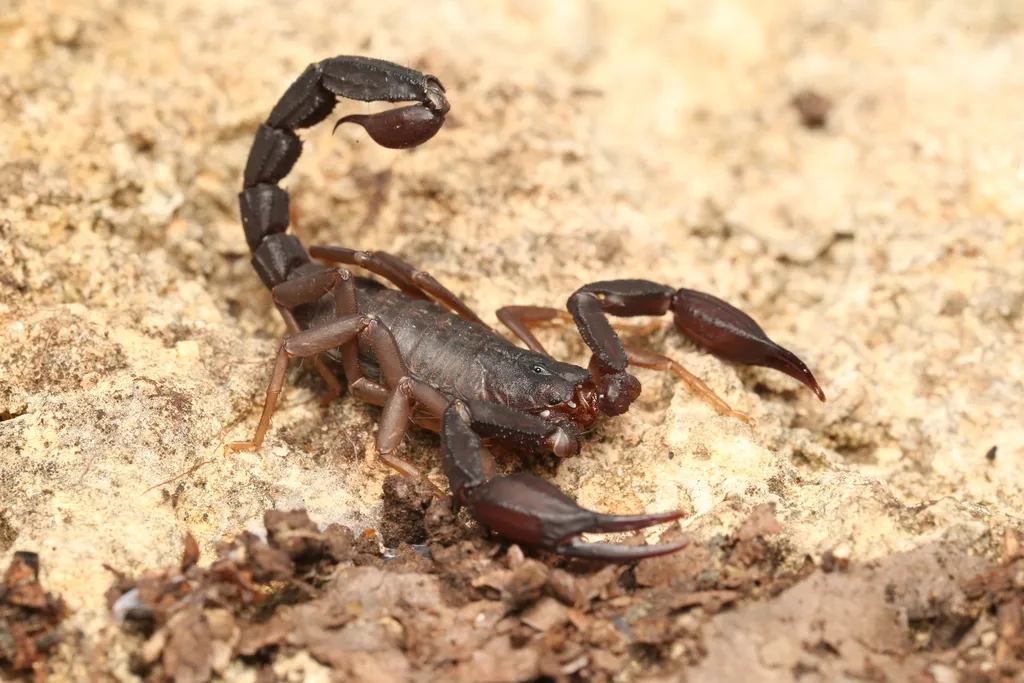
Photo credits: Contributed by Chris Wirth; Additional contributions by Mike Quinn
Frequently Asked Questions About Texas Cave Scorpion
What is Texas Cave Scorpion?
Texas Cave Scorpion (Pseudouroctonus reddelli) is a species in the family Vaejovidae, within the order Scorpiones.
How big is Texas Cave Scorpion?
Specimens found in surface habitats are usually 40-50 mm in length; cave specimens may reach 60 mm in length.
Where is Texas Cave Scorpion found?
| Feature | Details |
|---|---|
| Habitat | Troglophilic. Individuals are usually located fairly close to the cave entrance (within the initial 50–100 m). (Brown 1997) |
| Range | Texas: In caves and canyons/grottoes of the Balcones Escarpment, Hill Country, from Georgetown to Austin to San Antonio to Del Rio. Commonly found under limestone rocks that are in shade of oaks. - Kari J McWest |
What does Texas Cave Scorpion eat?
The diet of the Texas Cave Scorpion includes Feeds on cave crickets..
What is the life cycle of a Texas Cave Scorpion?
Molts nine times before maturing. (Brown 1997)