
Woolly Alder Aphid
Prociphilus tessellatus
This record describes Prociphilus tessellatus (species). Recorded family: Aphididae. Recorded order: Hemiptera.
Identification and Appearance
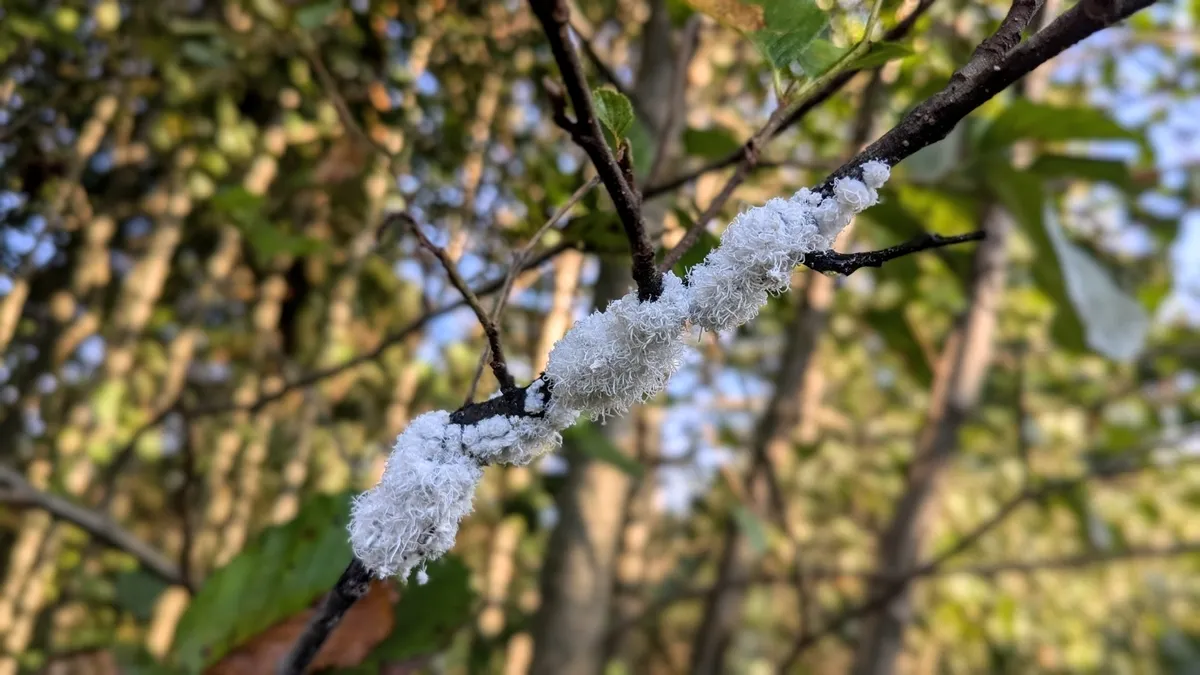
Gray to black in color. It gets its name from the fluffy, white wax found on its abdomen. Colonies are obvious because of their white, fuzzy appearance. They are usually seen on leaves, twigs or bark. Although infested leaves shrivel and drop early, the pests cause little permanent damage. As a result of the honeydew, sidewalks and cars become sticky. They are an important resource for natural biological controls such as lacewings, lady beetles, hover flies, and parasitic wasps. Tolerance of aphid presence is one way to encourage beneficial insects. Iowa State University The predaceous caterpillars of the butterfly Feniseca tarquinius feed on these aphids.
Wikipedia reference for Prociphilus tessellatus: https://en.wikipedia.org/wiki/Prociphilus_tessellatus.
Classification
- Kingdom
- Animalia
- Phylum
- Arthropoda
- Class
- Insecta
- Order
- Hemiptera (True Bugs, Cicadas, Hoppers, Aphids and Allies)
- Suborder
- Sternorrhyncha
- Superfamily
- Aphidoidea
- Family
- Aphididae (Aphids)
- Subfamily
- Eriosomatinae
- Tribe
- Pemphigini
- Genus
- Prociphilus
Imported taxonomy record. Source availability varies; see the source references and editorial policy below.
Habitat and Range
Geographic Range
East of the Mississippi River
Diet and Behavior
Diet: Silver maple and alder
Life History
It requires alder and silver maple to complete its life cycle. Occasionally, it is found on red maple. The aphids on the trees are wingless. They feed on sap from the time of bud-break until late June. Then winged adults, some with abdomens covered in white fluffy wax, are produced in the colonies. These winged migrants readily fly when disturbed. Iowa State University
About True Bugs, Cicadas, Hoppers, Aphids and Allies: the wider group
Order-level background for Hemiptera, the group containing Prociphilus tessellatus. Species-specific details appear above.
Group overview
Hemiptera (true bugs) includes over 80,000 described species across cicadas, aphids, leafhoppers, shield bugs, and bed bugs. Aphids alone cost global agriculture an estimated $2.5 billion annually in crop losses.
Ecological role of the group
Many Hemiptera are essential food sources for birds and predatory insects. Cicadas provide massive nutrient pulses during emergence events - a single Brood X emergence can involve trillions of individuals across 15 states.
Economic and practical significance of the group
The brown marmorated stink bug (Halyomorpha halys) caused $37 million in apple crop losses in a single year in the U.S. Mid-Atlantic region. Bed bug infestations in the U.S. increased by 500% between 2001-2010, costing the hotel industry hundreds of millions annually.
Recorded sources for this group: USDA, EPA, University research. Imported estimates may describe particular regions or reporting periods.
Photos of Woolly Alder Aphid (3)
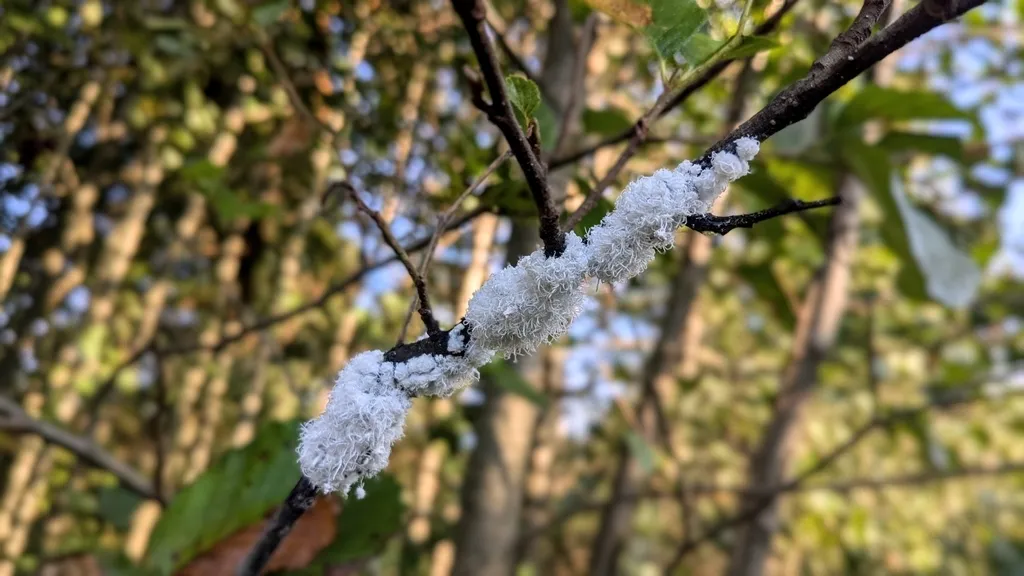
Photo credits: Contributed by Beatriz Moisset; Additional contributions by Joshua Stuart Rose , ceiseman
Frequently Asked Questions About Woolly Alder Aphid
What is Woolly Alder Aphid?
Woolly Alder Aphid (Prociphilus tessellatus) is a species in the family Aphididae, within the order Hemiptera.
How do you identify Woolly Alder Aphid?
Gray to black in color. It gets its name from the fluffy, white wax found on its abdomen. Colonies are obvious because of their white, fuzzy appearance.
Where is Woolly Alder Aphid found?
Range: East of the Mississippi River
What does Woolly Alder Aphid eat?
The diet of the Woolly Alder Aphid includes Silver maple and alder.
What is the life cycle of a Woolly Alder Aphid?
It requires alder and silver maple to complete its life cycle. Occasionally, it is found on red maple. The aphids on the trees are wingless. They feed on sap from the time of bud-break until late June. Then winged adults, some with abdomens covered in white fluffy wax, are produced in the colonies. These winged migrants readily fly when disturbed. Iowa State University