
Ringspot Leafhopper
Prairiana insularis
This record describes Prairiana insularis (species). Recorded family: Cicadellidae. Recorded order: Hemiptera.
Identification and Appearance
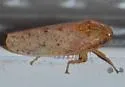
Crown more than twice as wide between eyes at base as median length, depressed just behind anterior margin. Generally pale brown with dark spots. - DeLong & Freytag, 1976 Males are more heavily marked with brown to black spots than paler females. This species has been a source of confusion for some time. For years it was placed under the name Negosiana miliaris on BugGuide and sister sites due to process of elimination and incorrect occurrence and range records. Eventually we found that what we were previously calling Negosiana miliaris was likely the species Curtara insularis -a Caribbean species first officially reported in Florida in 2004 (decades of prior collecting not turning up any individuals) [the first BugGuide record is also from 2004]. This widespread species (which likely ranges to Argentina) has since spread throughout the eastern United States and into northern Mexico (if our assessment of its identity is correct). Specimens still need to be collected and analysed throughout its range, but it is almost certainly this species.
Classification
- Kingdom
- Animalia
- Phylum
- Arthropoda
- Class
- Insecta
- Order
- Hemiptera (True Bugs, Cicadas, Hoppers, Aphids and Allies)
- Suborder
- Auchenorrhyncha
- Superfamily
- Membracoidea
- Family
- Cicadellidae (Typical Leafhoppers)
- Subfamily
- Iassinae
- Tribe
- Gyponini
- Genus
- Prairiana
Imported taxonomy record. Source availability varies; see the source references and editorial policy below.
Habitat and Range
Geographic Range
se US (NC-FL-TX) to Argentina - Map
Seasonal Activity
yr round, but most common Jun-Dec
Additional species information
Species notes from the sources
Etymology: Common name comes from the markings on the wings resembling the symptoms of ringspot virus in certain plants.
About True Bugs, Cicadas, Hoppers, Aphids and Allies: the wider group
Order-level background for Hemiptera, the group containing Prairiana insularis. Species-specific details appear above.
Group overview
Hemiptera (true bugs) includes over 80,000 described species across cicadas, aphids, leafhoppers, shield bugs, and bed bugs. Aphids alone cost global agriculture an estimated $2.5 billion annually in crop losses.
Ecological role of the group
Many Hemiptera are essential food sources for birds and predatory insects. Cicadas provide massive nutrient pulses during emergence events - a single Brood X emergence can involve trillions of individuals across 15 states.
Economic and practical significance of the group
The brown marmorated stink bug (Halyomorpha halys) caused $37 million in apple crop losses in a single year in the U.S. Mid-Atlantic region. Bed bug infestations in the U.S. increased by 500% between 2001-2010, costing the hotel industry hundreds of millions annually.
Recorded sources for this group: USDA, EPA, University research. Imported estimates may describe particular regions or reporting periods.
Photos of Ringspot Leafhopper (5)
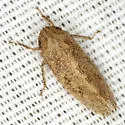
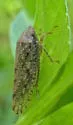
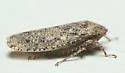
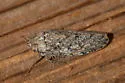
Photo credits: Contributed by Chuck Entz; Additional contributions by Mike Quinn , v belov , TurtleDude , antarctica
Frequently Asked Questions About Ringspot Leafhopper
What is Ringspot Leafhopper?
Ringspot Leafhopper (Prairiana insularis) is a species in the family Cicadellidae, within the order Hemiptera.
How big is Ringspot Leafhopper?
♂ 8mm, ♀ 8.5mm
How do you identify Ringspot Leafhopper?
Crown more than twice as wide between eyes at base as median length, depressed just behind anterior margin. Generally pale brown with dark spots. - DeLong & Freytag, 1976 Males are more heavily marked with brown to black spots than paler females.
Where is Ringspot Leafhopper found?
Range: se US (NC-FL-TX) to Argentina - Map
When is Ringspot Leafhopper active?
Ringspot Leafhopper: seasonal activity - yr round, but most common Jun-Dec.