
Brick-Red Borer Moth - Hodges#9492
Papaipema marginidens
This record describes Papaipema marginidens (species). Recorded family: Noctuidae. Recorded order: Lepidoptera.
Identification and Appearance
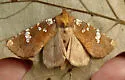
Not known to migrate, so habitat fragmentation has left them scattered in local pockets of suitable habitat throughout their range, becoming more isolated all the time. As these pockets are lost or rendered uninhabitable to the moths, the species is becoming rarer throughout its range. This moth also tends to be collateral damage in efforts to control Spongy Moth infestations.
Classification
- Kingdom
- Animalia
- Phylum
- Arthropoda
- Class
- Insecta
- Order
- Lepidoptera (Butterflies and Moths)
- Superfamily
- Noctuoidea
- Family
- Noctuidae (Owlet Moths)
- Subfamily
- Noctuinae
- Tribe
- Apameini
- Genus
- Papaipema (Borer Moths)
Imported taxonomy record. Source availability varies; see the source references and editorial policy below.
Habitat and Range
Habitat
A mixture of open oak woodlands and barrens in rocky areas with herbaceous undergrowth- especially along streams. They seem to only be found in areas with healthy and varied communities of native herbaceous plants: overgrazing and seeding with non-native grasses seem to be a major cause of habitat loss.
Geographic Range
Mostly scattered through the Appalachians and neighboring areas, from Pennsylvania and New York south to Georgia and North Carolina
Diet and Behavior
Diet: The larvae feed on herbaceous plants in their preferred habitat. Their preferred food plant is unknown (some sources suggest Water Hemlock, Cicuta maculata ), but they've been found on various plants in several plant families.
Additional species information
Species notes from the sources
Etymology: marginidens is from Latin margini- "of margin" + dens- "tooth", probably referring the toothed margins of the wings
About Butterflies and Moths: the wider group
Order-level background for Lepidoptera, the group containing Papaipema marginidens. Species-specific details appear above.
Group overview
Lepidoptera includes approximately 180,000 described species of butterflies and moths. Moths outnumber butterflies roughly 10:1. The monarch butterfly's eastern population has declined by more than 80% since the mid-1990s, and the western population by over 95% since the 1980s. The IUCN lists the migratory monarch as Vulnerable.
Ecological role of the group
Butterflies and moths are essential indicators of ecosystem health. As caterpillars, they are a primary food source for birds - a single nest of blue tit chicks requires ~10,000 caterpillars. Adult moths pollinate many night-blooming plants.
Economic and practical significance of the group
Lepidoptera are critical pollinators. In Europe, grassland butterfly species have declined by almost 50% since the early 1990s. In the UK, three-quarters of butterflies are in decline. In the U.S., five butterfly species have gone extinct since 1950, with 29 listed as endangered.
Recorded sources for this group: IUCN Red List, Xerces Society, USFWS, PNAS, WWF. Imported estimates may describe particular regions or reporting periods.
Photos of Brick-Red Borer Moth - Hodges#9492 (5)
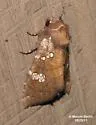
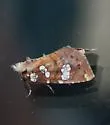
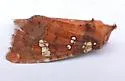
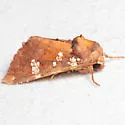
Photo credits: Contributed by Chuck Entz; Additional contributions by PaleoJon , Steve Morris
Frequently Asked Questions About Brick-Red Borer Moth - Hodges#9492
What is Brick-Red Borer Moth - Hodges#9492?
Brick-Red Borer Moth - Hodges#9492 (Papaipema marginidens) is a species in the family Noctuidae, within the order Lepidoptera.
Where is Brick-Red Borer Moth - Hodges#9492 found?
| Feature | Details |
|---|---|
| Habitat | A mixture of open oak woodlands and barrens in rocky areas with herbaceous undergrowth- especially along streams. They seem to only be found in areas with healthy and varied communities of native herbaceous plants: overgrazing and seeding with non-native grasses seem to be a major cause of habitat loss. |
| Range | Mostly scattered through the Appalachians and neighboring areas, from Pennsylvania and New York south to Georgia and North Carolina |
What does Brick-Red Borer Moth - Hodges#9492 eat?
The diet of the Brick-Red Borer Moth - Hodges#9492 includes The larvae feed on herbaceous plants in their preferred habitat. Their preferred food plant is unknown (some sources suggest Water Hemlock, Cicuta maculata ), but they've been found on various plants in several plant families..