
Palporus nitidulus
This record describes Palporus nitidulus (species). Recorded family: Staphylinidae. Recorded order: Coleoptera.
Identification and Appearance
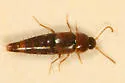
| Feature | Description |
|---|---|
| Additional details | Extremely variable. Very small (head to elytra length 1.1 to 1.4 mm). Light yellowish to dark reddish-brown, sometimes darker. |
| Head | Head often darker than pronotum and elytra. |
| Elytra | Elytra usually lighter than pronotum and head. Pubescence of elytra and abdomen fine and dense. |
| Pronotum | Pronotum glabrous, shiny. Apical segment of maxillary palps not longer than width of preceding segment. May have fully developed wings or reduced nonfunctional wings. first detected in NA: IN 1834 |
Classification
- Kingdom
- Animalia
- Phylum
- Arthropoda
- Class
- Insecta
- Order
- Coleoptera (Beetles)
- Suborder
- Polyphaga
- Superfamily
- Staphylinoidea
- Family
- Staphylinidae (Rove Beetles)
- Subfamily
- Tachyporinae
- Tribe
- Tachyporini
- Genus
- Palporus
Imported taxonomy record. Source availability varies; see the source references and editorial policy below.
Habitat and Range
Habitat
Known habitats include under rotting materials (such as stacks of hay/straw, compost, mushrooms, leaf litter, and moss) and often swept from flowers and bushes. Favors moist habitats, common in river debris, leaf litter, clumps of grass/moss, debris from rotting logs/stumps, beaver lodges and other mammal nests
Geographic Range
Native to, and occurs throughout, the Palaearctic; long established in our area, occurs over much of North America (our most abundant Tachyporus ) State/Province Records:
Seasonal Activity
Adults year-round, most commonly late summer and early fall
Diet and Behavior
Diet: Generalist predator
Additional species information
Species notes from the sources
Etymology: Tachyporus nitidulus (Fabricius 1781)
About Primitive Winged Insects: the wider group
Order-level background for Coleoptera, the group containing Palporus nitidulus. Species-specific details appear above.
Group overview
Coleoptera is the largest order of insects with over 400,000 described species, representing ~25% of all known animal species and ~40% of all insects. In the U.S. alone, nearly 30,000 beetle species have been identified.
Ecological role of the group
Beetles are prominent decomposers, especially in forests, breaking down dead wood and recycling nutrients. As predators, they reduce populations of pest insects. Many species are also important pollinators of flowering plants.
Economic and practical significance of the group
Beetles have major economic significance: leaf beetles (Chrysomelidae) and weevils (Curculionoidea) are among the most destructive agricultural pests globally, costing billions annually, while predatory species like ladybugs provide natural pest control.
Recorded sources for this group: Britannica, Smithsonian, NCSU Entomology. Imported estimates may describe particular regions or reporting periods.
Photos of Palporus nitidulus (5)
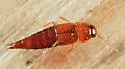
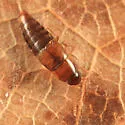
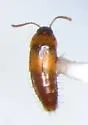
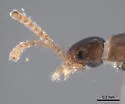
Photo credits: Contributed by Tim Loh; Additional contributions by Beatriz Moisset , Bbarnd , Mike Quinn , Charlene Wood , Boris Bueche , v belov
Frequently Asked Questions About Palporus nitidulus
What is Palporus nitidulus?
Palporus nitidulus is a species in the family Staphylinidae, within the order Coleoptera.
How big is Palporus nitidulus?
2.4‒3 mm (1.1‒1.4 mm from apex of head to apex of elytra)
How do you identify Palporus nitidulus?
| Feature | Description |
|---|---|
| Additional details | Extremely variable. Very small (head to elytra length 1.1 to 1.4 mm). Light yellowish to dark reddish-brown, sometimes darker. |
| Head | Head often darker than pronotum and elytra. |
| Elytra | Elytra usually lighter than pronotum and head. Pubescence of elytra and abdomen fine and dense. |
| Pronotum | Pronotum glabrous, shiny. Apical segment of maxillary palps not longer than width of preceding segment. May have fully developed wings or reduced nonfunctional wings. |
Where is Palporus nitidulus found?
| Feature | Details |
|---|---|
| Habitat | Known habitats include under rotting materials (such as stacks of hay/straw, compost, mushrooms, leaf litter, and moss) and often swept from flowers and bushes. Favors moist habitats, common in river debris, leaf litter, clumps of grass/moss, debris from rotting logs/stumps, beaver lodges and other mammal nests |
| Range | Native to, and occurs throughout, the Palaearctic; long established in our area, occurs over much of North America (our most abundant Tachyporus ) State/Province Records: |
What does Palporus nitidulus eat?
The diet of the Palporus nitidulus includes Generalist predator.
When is Palporus nitidulus active?
Palporus nitidulus: seasonal activity - Adults year-round, most commonly late summer and early fall.