
Neohermes angusticollis
This record describes Neohermes angusticollis (species). Recorded family: Corydalidae. Recorded order: Megaloptera.
Identification and Appearance
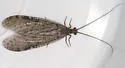
See individual images here. Similar to Neohermes concolor . Males can be identified by examination of terminalia (Bowles and Mathis, 1992): That third thumbnail resembles angusticollis , currently listed at genus level. Compare male concolor : It is not clear that females of these two can be separated. Update 6/28/24. Some discussion with observers on iNaturalist raises some questions about ID of this species. Updates will be posted later. (-Cotinis/P. Coin 6/28/24)
Classification
- Kingdom
- Animalia
- Phylum
- Arthropoda
- Class
- Insecta
- Order
- Megaloptera (Alderflies, Dobsonflies, and Fishflies)
- Family
- Corydalidae (Dobsonflies and Fishflies)
- Subfamily
- Chauliodinae
- Genus
- Neohermes
Imported taxonomy record. Source availability varies; see the source references and editorial policy below.
Habitat and Range
Geographic Range
SE US (SC-GA) ; noted from Raleigh, North Carolina by Brimley (as Chauliodes angusticollis ): "June, once" . Exact range in mid-Atlantic unclear.
Additional species information
Species notes from the sources
Etymology: Neohermes angusticollis ( Hagen 1861)
About Alderflies, Dobsonflies, and Fishflies: the wider group
Order-level background for Megaloptera, the group containing Neohermes angusticollis. Species-specific details appear above.
Group overview
Megaloptera (dobsonflies, fishflies, alderflies) includes ~380 described species. Male dobsonflies have enormous mandibles up to 40mm long - longer than their entire head - used in combat with rival males.
Ecological role of the group
Dobsonfly larvae (hellgrammites) are top predators in stream ecosystems, spending 2-5 years as aquatic nymphs before pupating. They can grow up to 90mm long, making them some of the largest aquatic insect larvae in North America.
Economic and practical significance of the group
Hellgrammites (dobsonfly larvae) are prized bait for bass fishing across North America. They are also important bioindicator species for freshwater stream health monitoring.
Recorded sources for this group: Freshwater ecology research, fishing industry. Imported estimates may describe particular regions or reporting periods.
Photos of Neohermes angusticollis (5)
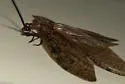
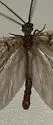
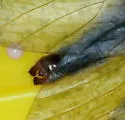
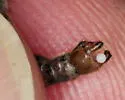
Photo credits: Contributed by Charley Eiseman; Additional contributions by cotinis , v belov
Frequently Asked Questions About Neohermes angusticollis
What is Neohermes angusticollis?
Neohermes angusticollis is a species in the family Corydalidae, within the order Megaloptera.
How do you identify Neohermes angusticollis?
See individual images here. Similar to Neohermes concolor . Males can be identified by examination of terminalia (Bowles and Mathis, 1992): That third thumbnail resembles angusticollis , currently listed at genus level. Compare male concolor : It is not clear that females of these two can be separated. Update 6/28/24. Some discussion with observers on iNaturalist raises some questions about ID of this species. Updates will be posted later. (-Cotinis/P. Coin 6/28/24)
Where is Neohermes angusticollis found?
Range: SE US (SC-GA) ; noted from Raleigh, North Carolina by Brimley (as Chauliodes angusticollis ): June, once . Exact range in mid-Atlantic unclear.