
Western Dobsonfly
Corydalus texanus
This record describes Corydalus texanus (species). Recorded family: Corydalidae. Recorded order: Megaloptera.
Identification and Appearance
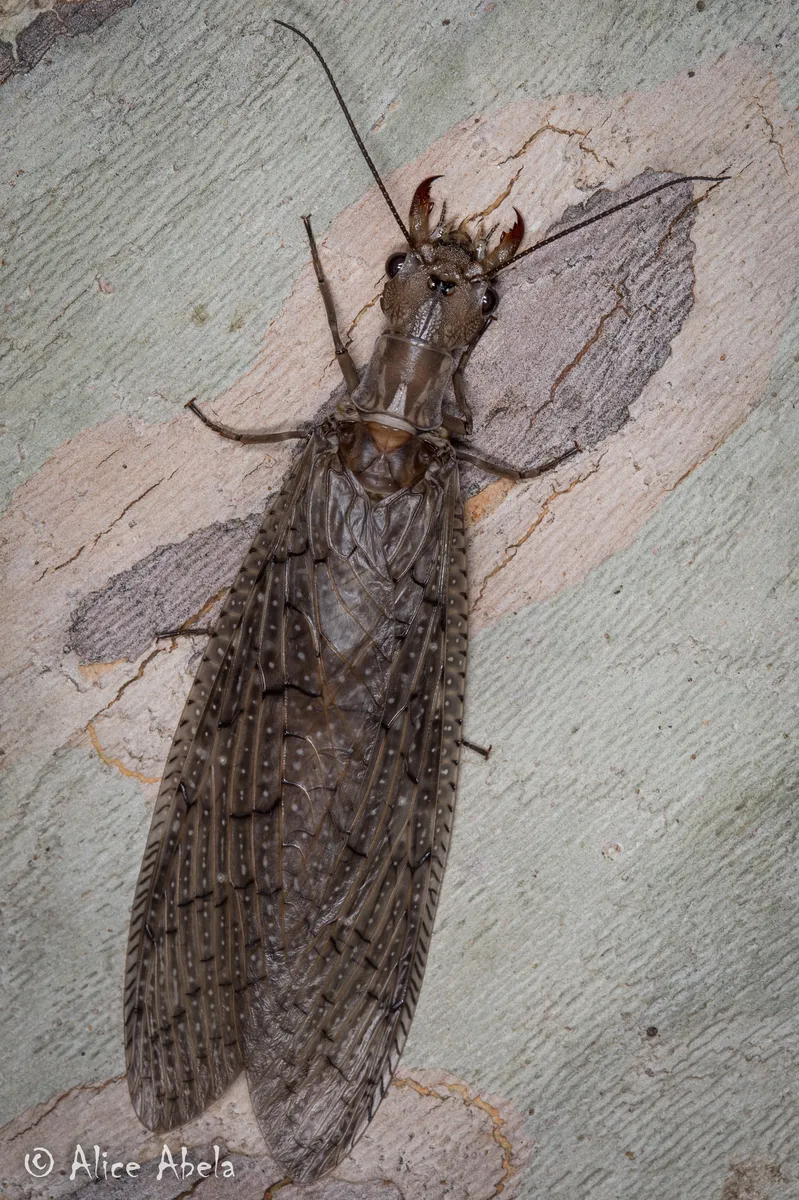
Western species with pale markings on the head and with the pale spots in the wing conspicuously margined by a dark ring. Though males have longer mandibles than the females, they are shorter than those of the males in our other species. ♀ ♂
Classification
- Kingdom
- Animalia
- Phylum
- Arthropoda
- Class
- Insecta
- Order
- Megaloptera (Alderflies, Dobsonflies, and Fishflies)
- Family
- Corydalidae (Dobsonflies and Fishflies)
- Subfamily
- Corydalinae
- Genus
- Corydalus (Dobsonflies)
Imported taxonomy record. Source availability varies; see the source references and editorial policy below.
Habitat and Range
Geographic Range
sw. US (CA to CO-TX) to Central America (overlaps with C. cornutus in TX & NM)
Diet and Behavior
Diet: Larvae are predatory; adults do not feed.
Additional species information
Species notes from the sources
Etymology: Corydalus texanus Banks 1903
About Alderflies, Dobsonflies, and Fishflies: the wider group
Order-level background for Megaloptera, the group containing Corydalus texanus. Species-specific details appear above.
Group overview
Megaloptera (dobsonflies, fishflies, alderflies) includes ~380 described species. Male dobsonflies have enormous mandibles up to 40mm long - longer than their entire head - used in combat with rival males.
Ecological role of the group
Dobsonfly larvae (hellgrammites) are top predators in stream ecosystems, spending 2-5 years as aquatic nymphs before pupating. They can grow up to 90mm long, making them some of the largest aquatic insect larvae in North America.
Economic and practical significance of the group
Hellgrammites (dobsonfly larvae) are prized bait for bass fishing across North America. They are also important bioindicator species for freshwater stream health monitoring.
Recorded sources for this group: Freshwater ecology research, fishing industry. Imported estimates may describe particular regions or reporting periods.
Photos of Western Dobsonfly (3)
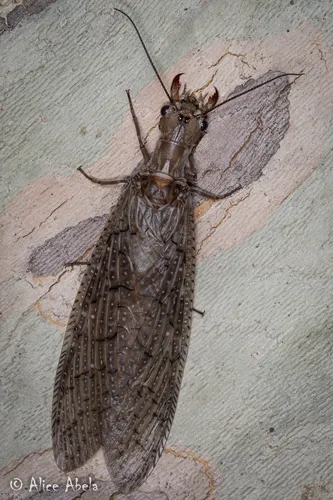
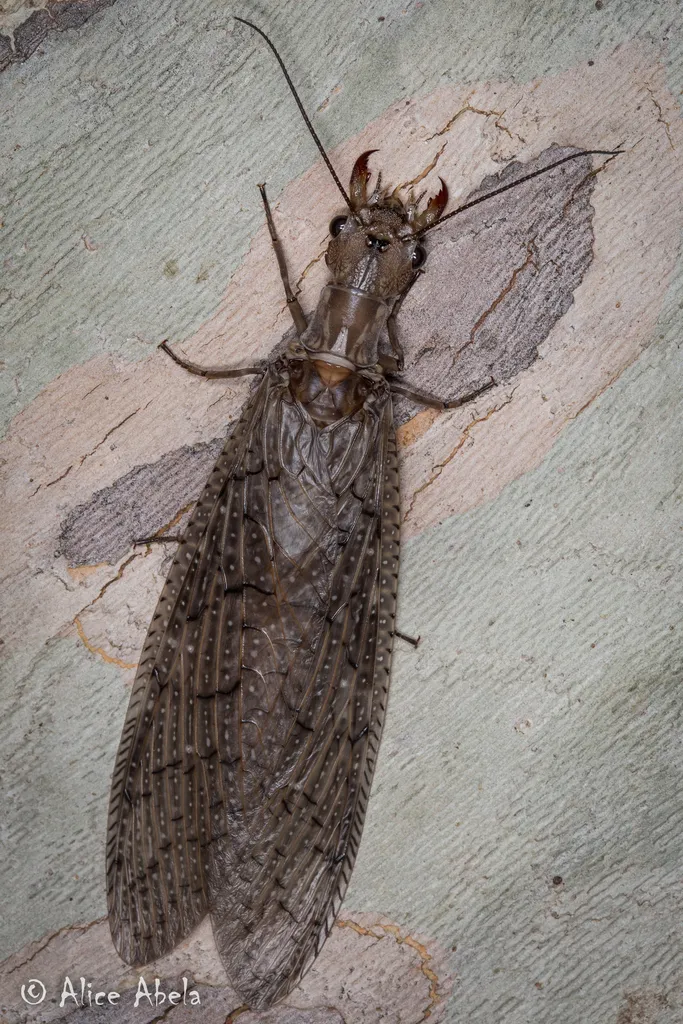
Photo credits: Contributed by Brady Richards; Additional contributions by Mike Quinn , v belov , PaleoJon
Frequently Asked Questions About Western Dobsonfly
What is Western Dobsonfly?
Western Dobsonfly (Corydalus texanus) is a species in the family Corydalidae, within the order Megaloptera.
How do you identify Western Dobsonfly?
Western species with pale markings on the head and with the pale spots in the wing conspicuously margined by a dark ring. Though males have longer mandibles than the females, they are shorter than those of the males in our other species. ♀ ♂
Where is Western Dobsonfly found?
Range: sw. US (CA to CO-TX) to Central America (overlaps with C. cornutus in TX & NM)
What does Western Dobsonfly eat?
The diet of the Western Dobsonfly includes Larvae are predatory; adults do not feed..