
Beet Leafhopper
Neoaliturus tenellus
This record describes Neoaliturus tenellus (species). Recorded family: Cicadellidae. Recorded order: Hemiptera.
Identification and Appearance
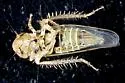
Females are easily recognized by the dark-margined notch at the base of the ovipositor that looks exactly like a burn mark left on the edge of a table from a lit cigarette. Males are equally distinctive from the underside, having truncate plates (the terminal flaps that protect the genitalia look as if they have been cut off transversely). (Comment by Andy Hamilton). earliest NA record: 1896 ( 3 )
Classification
- Kingdom
- Animalia
- Phylum
- Arthropoda
- Class
- Insecta
- Order
- Hemiptera (True Bugs, Cicadas, Hoppers, Aphids and Allies)
- Suborder
- Auchenorrhyncha
- Superfamily
- Membracoidea
- Family
- Cicadellidae (Typical Leafhoppers)
- Subfamily
- Deltocephalinae
- Tribe
- Opsiini
- Genus
- Neoaliturus
Imported taxonomy record. Source availability varies; see the source references and editorial policy below.
Habitat and Range
Geographic Range
adventive to w. NA; overwinters only on CA coast; native to the Middle East - Map
Diet and Behavior
Life History
During the season of 1905 a small leaf hopper ( Enlettix tenella ) appeared in immense numbers in the beet fields of Utah and the surrounding region. As the season progressed a large number of the beets were found to be affected with a peculiar condition, called "curly-leaf," which resulted in an immense damage to the crop.
Additional species information
Species notes from the sources
Etymology: Neoaliturus tenellus (Baker 1896)
About True Bugs, Cicadas, Hoppers, Aphids and Allies: the wider group
Order-level background for Hemiptera, the group containing Neoaliturus tenellus. Species-specific details appear above.
Group overview
Hemiptera (true bugs) includes over 80,000 described species across cicadas, aphids, leafhoppers, shield bugs, and bed bugs. Aphids alone cost global agriculture an estimated $2.5 billion annually in crop losses.
Ecological role of the group
Many Hemiptera are essential food sources for birds and predatory insects. Cicadas provide massive nutrient pulses during emergence events - a single Brood X emergence can involve trillions of individuals across 15 states.
Economic and practical significance of the group
The brown marmorated stink bug (Halyomorpha halys) caused $37 million in apple crop losses in a single year in the U.S. Mid-Atlantic region. Bed bug infestations in the U.S. increased by 500% between 2001-2010, costing the hotel industry hundreds of millions annually.
Recorded sources for this group: USDA, EPA, University research. Imported estimates may describe particular regions or reporting periods.
Photos of Beet Leafhopper (5)
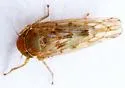
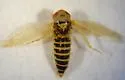
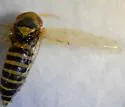
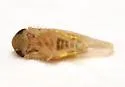
Photo credits: Contributed by Tim Loh; Additional contributions by Beatriz Moisset , Mike Quinn , v belov
Frequently Asked Questions About Beet Leafhopper
What is Beet Leafhopper?
Beet Leafhopper (Neoaliturus tenellus) is a species in the family Cicadellidae, within the order Hemiptera.
How big is Beet Leafhopper?
3.1-3.5 mm
How do you identify Beet Leafhopper?
Females are easily recognized by the dark-margined notch at the base of the ovipositor that looks exactly like a burn mark left on the edge of a table from a lit cigarette. Males are equally distinctive from the underside, having truncate plates (the terminal flaps that protect the genitalia look as if they have been cut off transversely). (Comment by Andy Hamilton).
Where is Beet Leafhopper found?
Range: adventive to w. NA; overwinters only on CA coast; native to the Middle East - Map
What is the life cycle of a Beet Leafhopper?
During the season of 1905 a small leaf hopper ( Enlettix tenella ) appeared in immense numbers in the beet fields of Utah and the surrounding region. As the season progressed a large number of the beets were found to be affected with a peculiar condition, called curly-leaf, which resulted in an immense damage to the crop.