
Texas Canyon Longhorn Beetle
Megapurpuricenus magnificus
This record describes Megapurpuricenus magnificus (species). Recorded family: Cerambycidae. Recorded order: Coleoptera.
Identification and Appearance
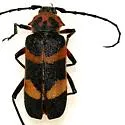
Adult appear to emerge in response to summer monsoon rains. Adult daily activity largely restricted to 9 a.m. to 12 noon. Largest flights occur on warm sunny mornings following rain, decreasing each dry day but increasing again after additional rain. Males fly swiftly over treetops or lazily circle the tree canopy. Females are usually on the outer foliage. Collections suggest mass emergence in 3-year cycles, with few or no specimens during intervening years.
Classification
- Kingdom
- Animalia
- Phylum
- Arthropoda
- Class
- Insecta
- Order
- Coleoptera (Beetles)
- Suborder
- Polyphaga
- Superfamily
- Chrysomeloidea
- Family
- Cerambycidae (Longhorn Beetles)
- Subfamily
- Cerambycinae
- Tribe
- Trachyderini
- Genus
- Megapurpuricenus
Imported taxonomy record. Source availability varies; see the source references and editorial policy below.
Habitat and Range
Habitat
in Mexico, most damage occurred in pure Quercus potosina stands at 2500-2642 m elevations with low slopes ( 4 )
Geographic Range
se AZ (Cochise & Pima Cos.) to c. Mexico ( 3 ) ( 4 )
Seasonal Activity
Jun-Aug (adults emerge in late June or early July and have been collected as late as August 3); rarely encountered, but sometimes collected in large numbers ( 3 )
Diet and Behavior
Diet: Oaks (Arizona white oak, Emory oak, silverleaf oak) ( 3 )
About Primitive Winged Insects: the wider group
Order-level background for Coleoptera, the group containing Megapurpuricenus magnificus. Species-specific details appear above.
Group overview
Coleoptera is the largest order of insects with over 400,000 described species, representing ~25% of all known animal species and ~40% of all insects. In the U.S. alone, nearly 30,000 beetle species have been identified.
Ecological role of the group
Beetles are prominent decomposers, especially in forests, breaking down dead wood and recycling nutrients. As predators, they reduce populations of pest insects. Many species are also important pollinators of flowering plants.
Economic and practical significance of the group
Beetles have major economic significance: leaf beetles (Chrysomelidae) and weevils (Curculionoidea) are among the most destructive agricultural pests globally, costing billions annually, while predatory species like ladybugs provide natural pest control.
Recorded sources for this group: Britannica, Smithsonian, NCSU Entomology. Imported estimates may describe particular regions or reporting periods.
Photos of Texas Canyon Longhorn Beetle (5)
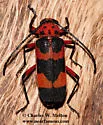
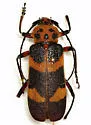
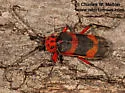
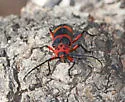
Photo credits: Contributed by Cotinis; Additional contributions by Mike Quinn , v belov , PaleoJon
Frequently Asked Questions About Texas Canyon Longhorn Beetle
What is Texas Canyon Longhorn Beetle?
Texas Canyon Longhorn Beetle (Megapurpuricenus magnificus) is a species in the family Cerambycidae, within the order Coleoptera.
How big is Texas Canyon Longhorn Beetle?
25-38 mm
Where is Texas Canyon Longhorn Beetle found?
| Feature | Details |
|---|---|
| Habitat | in Mexico, most damage occurred in pure Quercus potosina stands at 2500-2642 m elevations with low slopes ( 4 ) |
| Range | se AZ (Cochise & Pima Cos.) to c. Mexico ( 3 ) ( 4 ) |
What does Texas Canyon Longhorn Beetle eat?
The diet of the Texas Canyon Longhorn Beetle includes Oaks (Arizona white oak, Emory oak, silverleaf oak) ( 3 ).
When is Texas Canyon Longhorn Beetle active?
Texas Canyon Longhorn Beetle: seasonal activity - Jun-Aug (adults emerge in late June or early July and have been collected as late as August 3); rarely encountered, but sometimes collected in large numbers ( 3 ).