
Kochius hirsuticauda
This record describes Kochius hirsuticauda (species). Recorded family: Vaejovidae. Recorded order: Scorpiones.
Identification and Appearance
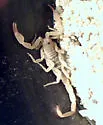
Classification
- Kingdom
- Animalia
- Phylum
- Arthropoda
- Class
- Arachnida
- Order
- Scorpiones (Scorpions)
- Family
- Vaejovidae
- Genus
- Kochius
Imported taxonomy record. Source availability varies; see the source references and editorial policy below.
Habitat and Range
Geographic Range
CA, NV, UT, AZ, Mexico.
About Scorpions: the wider group
Order-level background for Scorpiones, the group containing Kochius hirsuticauda. Species-specific details appear above.
Group overview
Scorpiones includes ~2,700 described species. Scorpions are among the oldest terrestrial arthropods, with fossils dating back 435 million years to the Silurian period. They glow under ultraviolet light due to fluorescent compounds in their exoskeleton.
Ecological role of the group
Scorpions can survive extreme conditions - some species can be frozen for weeks and recover, and others survive extended starvation by reducing their metabolic rate by up to 97%. They are important desert predators controlling insect populations.
Economic and practical significance of the group
Scorpion stings cause an estimated 1.2 million envenomations and 3,250 deaths worldwide annually (WHO). Scorpion venom is the most expensive liquid on Earth at $39 million per gallon - it contains compounds being researched for cancer treatment and as painkillers.
Recorded sources for this group: WHO, National Geographic, medical research. Imported estimates may describe particular regions or reporting periods.
Photos of Kochius hirsuticauda (2)
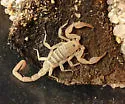
Photo credits: Contributed by Charley Eiseman