
Hybomitra cincta
This record describes Hybomitra cincta (species). Recorded family: Tabanidae. Recorded order: Diptera.
Identification and Appearance
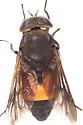
For both sexes: Subcallus denuded and shiny. Palpus black. Frontoclypeus and thoracic pleuron with black hairs. Wing distinctly pigmented. Females have first three segments of abdomen orange, rest of abdomen black (sharply delimited), and wings dark. Males are harder to identify.
Classification
Habitat and Range
Geographic Range
Manitoba to Quebec, south to Louisiana and Florida.
Additional species information
Species notes from the sources
Etymology: Hybomitra cincta (Fabricius 1794)
About Flies: the wider group
Order-level background for Diptera, the group containing Hybomitra cincta. Species-specific details appear above.
Group overview
Diptera includes over 150,000 described species of flies, mosquitoes, and midges. Mosquitoes are the deadliest animal on Earth (CDC). Malaria alone causes ~249 million cases and over 608,000 deaths annually, mostly children under 5 (WHO). Vector-borne diseases account for over 17% of all infectious diseases, causing 700,000+ deaths per year.
Ecological role of the group
Despite their disease impact, flies are critical decomposers and pollinators. Hoverflies alone pollinate hundreds of crop and wildflower species. Flies are also the primary food source for many birds, bats, and fish. Forensic entomology relies heavily on fly species for crime scene analysis.
Economic and practical significance of the group
In the U.S., vector-borne disease cases tripled between 2004-2016, with over 640,000 cases reported in that period (CDC). Tickborne diseases doubled from 22,000 to 48,000 annual reports. Globally, mosquito-borne diseases cost billions in healthcare and lost productivity.
Recorded sources for this group: WHO, CDC, PNAS. Imported estimates may describe particular regions or reporting periods.
Photos of Hybomitra cincta (5)
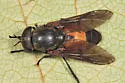
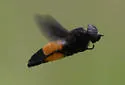
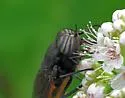
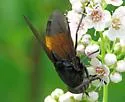
Photo credits: Contributed by Tony; Additional contributions by Vox Sciurorum , v belov , Arturo Santos
Frequently Asked Questions About Hybomitra cincta
What is Hybomitra cincta?
Hybomitra cincta is a species in the family Tabanidae, within the order Diptera.
How big is Hybomitra cincta?
19-22 mm
How do you identify Hybomitra cincta?
For both sexes: Subcallus denuded and shiny. Palpus black. Frontoclypeus and thoracic pleuron with black hairs. Wing distinctly pigmented.
Where is Hybomitra cincta found?
Range: Manitoba to Quebec, south to Louisiana and Florida.