
Columbia Silkmoth - Hodges#7768
Hyalophora columbia
This record describes Hyalophora columbia (species). Recorded family: Saturniidae. Recorded order: Lepidoptera.
Identification and Appearance
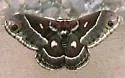
Adult: easily confused with Cecropia Moth [and vice versa ]; wings dark reddish-brown from base to PM line, dark gray in subterminal area, and pale yellowish in terminal area; AM and PM lines thick, white; pale yellow or whitish discal spots on all wings (spots are oval on forewings, crescent-shaped on hindwings); large black spot near apex of forewing; no red shading beyond PM line on forewing and hindwing [this last characteristic distinguishes columbia from cecropia ] Larva: body green with prominent, paired dorsal tubercles and smaller lateral ones; head green with bluish labrum and short dark line at sides of frons; four small black spots in bluish anterior half of prothoracic shield; spined, reddish and black tubercles on T2, T3, and A1; white dorsal tubercles on A2 to A7 tinged with yellow near tip; large, white middorsal tubercle on A8 with black spots, and with yellow tint at tip; white supraspiracular and subspiracular tubercles with blue base; white spiracles; prolegs larger on A10 than on other segments [description adapted from forestpests.org]
Classification
- Kingdom
- Animalia
- Phylum
- Arthropoda
- Class
- Insecta
- Order
- Lepidoptera (Butterflies and Moths)
- Superfamily
- Bombycoidea
- Family
- Saturniidae (Giant Silkworm and Royal Moths)
- Subfamily
- Saturniinae
- Tribe
- Attacini
- Genus
- Hyalophora
Imported taxonomy record. Source availability varies; see the source references and editorial policy below.
Habitat and Range
Habitat
Columbia group forests with poorly drained, boggy, acidic soil; Tamarack forests; suburban gardens; wide variety of wooded habitats Gloveri group Mountains, Plains & Deserts nr. seasonal water sources; suburban gardens; wide variety of wooded habitats
Geographic Range
British Columbia to Nova Scotia and adjacent northern United States; in the west, occurs south to Texas and central Mexico (see US distribution map ) Columbia Silk Moth (most often associated with Tamarack bogs): Canada: eastern Maritime Prov's., Great Lakes region extending slightly west into the eastern edge of the Plains. USA: New England, upstate New York and "upper" Great Lakes States (Michigan & Wisconsin) Glover's Silk Moth (associated with various habitats from moist forests to deserts): Canada: Central Canada Plains USA: Rocky mountain States, western Plains, Great Basin, eastern slopes of the Sierra Nevadas and Mountains of the Sonoran Desert region Mexico: Mountainous areas of the northern & central Mexican states Range overlap and interactions between columbia nominate and ssp. gloveri appear to be quite limited raising questions regarding the relationship between the two taxa.
Seasonal Activity
adults fly from May to July larvae from July to September H. gloveri has adult flight periods from March thru August (may be partially bivoltine in arid & southern parts of the range)
Diet and Behavior
Diet: In eastern North America [ssp. columbia ], the preferred food of larvae is Tamarack (American Larch - Larix laricina ); in the west [ssp. gloveri ], larvae eat leaves of Alder ( Alnus sp.), Birch ( Betula sp.), Antelope Bitterbrush ( Purshia tridentata ), Buckbrush ( Ceanothus sp.), Buffaloberry ( Shepherdia sp.), Plum & Cherry ( Prunus sp.), Rose ( Rosa sp.), Russian Olive ( Eleagnus angustifolius ), Willow ( Salix sp.), etc.
Life History
one generation per year; eggs are laid singly on food plant, and hatch in 8-19 days, depending on temperature; overwinters as a pupa in spindle-shaped cocoon attached lengthwise to twig or trunk of tree or shrub
About Butterflies and Moths: the wider group
Order-level background for Lepidoptera, the group containing Hyalophora columbia. Species-specific details appear above.
Group overview
Lepidoptera includes approximately 180,000 described species of butterflies and moths. Moths outnumber butterflies roughly 10:1. The monarch butterfly's eastern population has declined by more than 80% since the mid-1990s, and the western population by over 95% since the 1980s. The IUCN lists the migratory monarch as Vulnerable.
Ecological role of the group
Butterflies and moths are essential indicators of ecosystem health. As caterpillars, they are a primary food source for birds - a single nest of blue tit chicks requires ~10,000 caterpillars. Adult moths pollinate many night-blooming plants.
Economic and practical significance of the group
Lepidoptera are critical pollinators. In Europe, grassland butterfly species have declined by almost 50% since the early 1990s. In the UK, three-quarters of butterflies are in decline. In the U.S., five butterfly species have gone extinct since 1950, with 29 listed as endangered.
Recorded sources for this group: IUCN Red List, Xerces Society, USFWS, PNAS, WWF. Imported estimates may describe particular regions or reporting periods.
Photos of Columbia Silkmoth - Hodges#7768 (5)
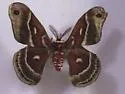
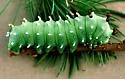
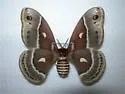
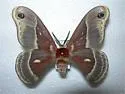
Photo credits: Contributed by Robin McLeod; Additional contributions by cotinis , Hannah Nendick-Mason , David Ferguson , Bill Reynolds
Frequently Asked Questions About Columbia Silkmoth - Hodges#7768
What is Columbia Silkmoth - Hodges#7768?
Columbia Silkmoth - Hodges#7768 (Hyalophora columbia) is a species in the family Saturniidae, within the order Lepidoptera.
How big is Columbia Silkmoth - Hodges#7768?
wingspan 80-100 mm larvae to 90 mm long, and 20 mm wide
How do you identify Columbia Silkmoth - Hodges#7768?
Adult: easily confused with Cecropia Moth [and vice versa ]; wings dark reddish-brown from base to PM line, dark gray in subterminal area, and pale yellowish in terminal area; AM and PM lines thick, white; pale yellow or whitish discal spots on all wings (spots are oval on forewings, crescent-shaped on hindwings); large black spot near apex of forewing; no red shading beyond PM line on forewing and hindwing [this last characteristic distinguishes columbia from cecropia ] Larva: body green with prominent, paired dorsal tubercles and smaller lateral ones; head green with bluish labrum and short dark line at sides of frons; four small black spots in bluish anterior half of prothoracic shield; spined, reddish and black tubercles on T2, T3, and A1; white dorsal tubercles on A2 to A7 tinged with yellow near tip; large, white middorsal tubercle on A8 with black spots, and with yellow tint at tip; white supraspiracular and subspiracular tubercles with blue base; white spiracles; prolegs larger on A10 than on other segments [description adapted from forestpests.org]
Where is Columbia Silkmoth - Hodges#7768 found?
| Feature | Details |
|---|---|
| Habitat | Columbia group forests with poorly drained, boggy, acidic soil; Tamarack forests; suburban gardens; wide variety of wooded habitats Gloveri group Mountains, Plains & Deserts nr. seasonal water sources; suburban gardens; wide variety of wooded habitats |
| Range | British Columbia to Nova Scotia and adjacent northern United States; in the west, occurs south to Texas and central Mexico (see US distribution map ) Columbia Silk Moth (most often associated with Tamarack bogs): Canada: eastern Maritime Prov's., Great Lakes region extending slightly west into the eastern edge of the Plains. USA: New England, upstate New York and upper Great Lakes States (Michigan & Wisconsin) Glover's Silk Moth (associated with various habitats from moist forests to deserts): Canada: Central Canada Plains USA: Rocky mountain States, western Plains, Great Basin, eastern slopes of the Sierra Nevadas and Mountains of the Sonoran Desert region Mexico: Mountainous areas of the northern & central Mexican states Range overlap and interactions between columbia nominate and ssp. gloveri appear to be quite limited raising questions regarding the relationship between the two taxa. |
What does Columbia Silkmoth - Hodges#7768 eat?
The diet of the Columbia Silkmoth - Hodges#7768 includes In eastern North America [ssp. columbia ], the preferred food of larvae is Tamarack (American Larch - Larix laricina ); in the west [ssp. gloveri ], larvae eat leaves of Alder ( Alnus sp.), Birch ( Betula sp.), Antelope Bitterbrush ( Purshia tridentata ), Buckbrush ( Ceanothus sp.), Buffaloberry ( Shepherdia sp.), Plum & Cherry ( Prunus sp.), Rose ( Rosa sp.), Russian Olive ( Eleagnus angustifolius ), Willow ( Salix sp.), etc..
When is Columbia Silkmoth - Hodges#7768 active?
Columbia Silkmoth - Hodges#7768: seasonal activity - adults fly from May to July larvae from July to September H. gloveri has adult flight periods from March thru August (may be partially bivoltine in arid & southern parts of the range).
What is the life cycle of a Columbia Silkmoth - Hodges#7768?
one generation per year; eggs are laid singly on food plant, and hatch in 8-19 days, depending on temperature; overwinters as a pupa in spindle-shaped cocoon attached lengthwise to twig or trunk of tree or shrub