
Epeorus pleuralis
This record describes Epeorus pleuralis (species). Recorded family: Heptageniidae. Recorded order: Ephemeroptera.
Identification and Appearance
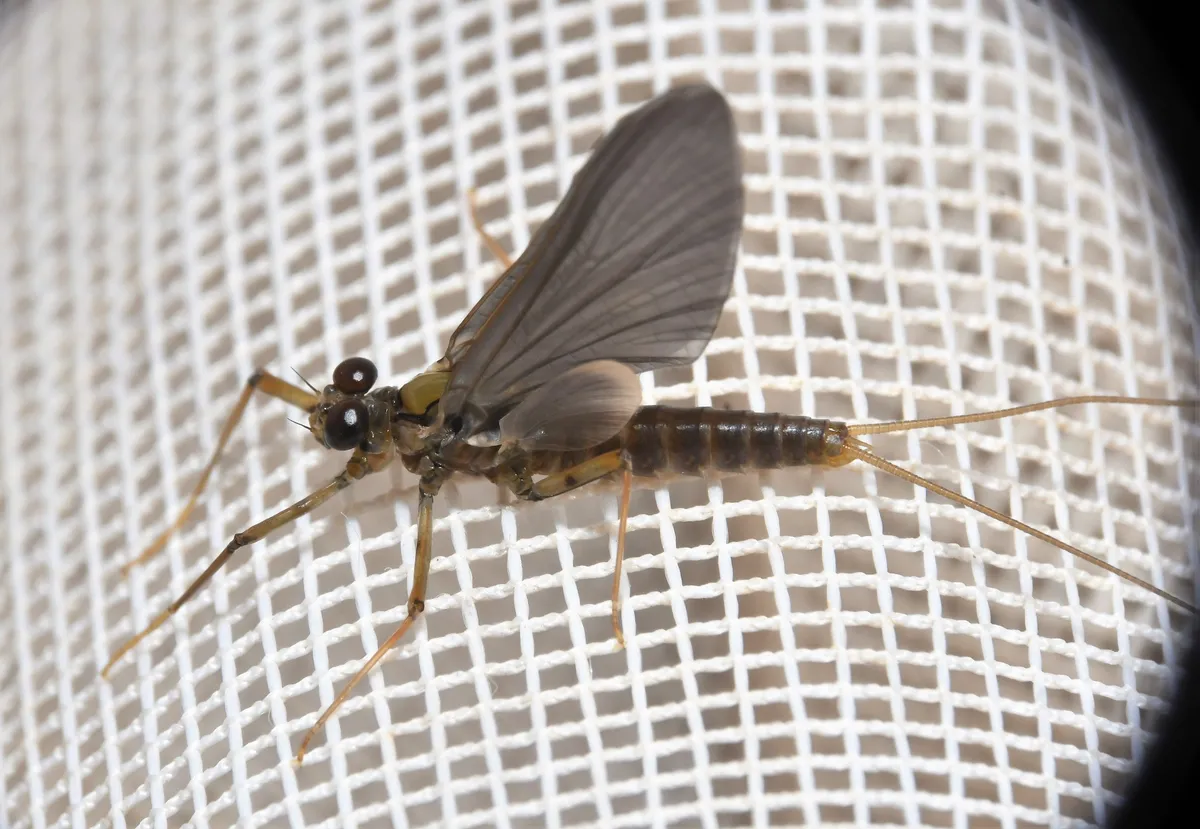
This species is the first Eastern Epeorus to emerge each season, and is also one of the most famous mayflies in American fly-fishing literature. It is known as the quill Gordon, and it was named for a fly pattern created by Theodore Gordon - the Catskill flyfisher who is credited with bringing the dry fly to America. - comment by Lloyd Gonzales
Wikipedia reference for Epeorus pleuralis: https://en.wikipedia.org/wiki/Epeorus_pleuralis.
Classification
- Kingdom
- Animalia
- Phylum
- Arthropoda
- Class
- Insecta
- Order
- Ephemeroptera (Mayflies)
- Suborder
- Pisciforma
- Superfamily
- Heptagenioidea
- Family
- Heptageniidae (Flatheaded Mayflies)
- Genus
- Epeorus
Imported taxonomy record. Source availability varies; see the source references and editorial policy below.
Habitat and Range
Geographic Range
e. NA map
Additional species information
Species notes from the sources
Etymology: Epeorus pleuralis (Banks 1910)
About Mayflies: the wider group
Order-level background for Ephemeroptera, the group containing Epeorus pleuralis. Species-specific details appear above.
Group overview
Ephemeroptera (mayflies) includes ~3,500 described species. Adult mayflies are famous for their extraordinarily short lifespans - some species live as adults for only 5 minutes to 24 hours, the shortest adult lifespan of any insect.
Ecological role of the group
Mayfly nymphs spend 1-2 years developing in freshwater before emerging as adults. They are key bioindicators - their presence indicates clean, well-oxygenated water. They are also a primary food source for freshwater fish.
Economic and practical significance of the group
Mayfly hatches are so massive they appear on weather radar - a 2014 Mississippi River hatch near La Crosse, Wisconsin was tracked by the National Weather Service. Mass emergences can cause slippery road conditions and traffic hazards.
Recorded sources for this group: National Weather Service, EPA bioassessment protocols. Imported estimates may describe particular regions or reporting periods.
Photos of Epeorus pleuralis (3)
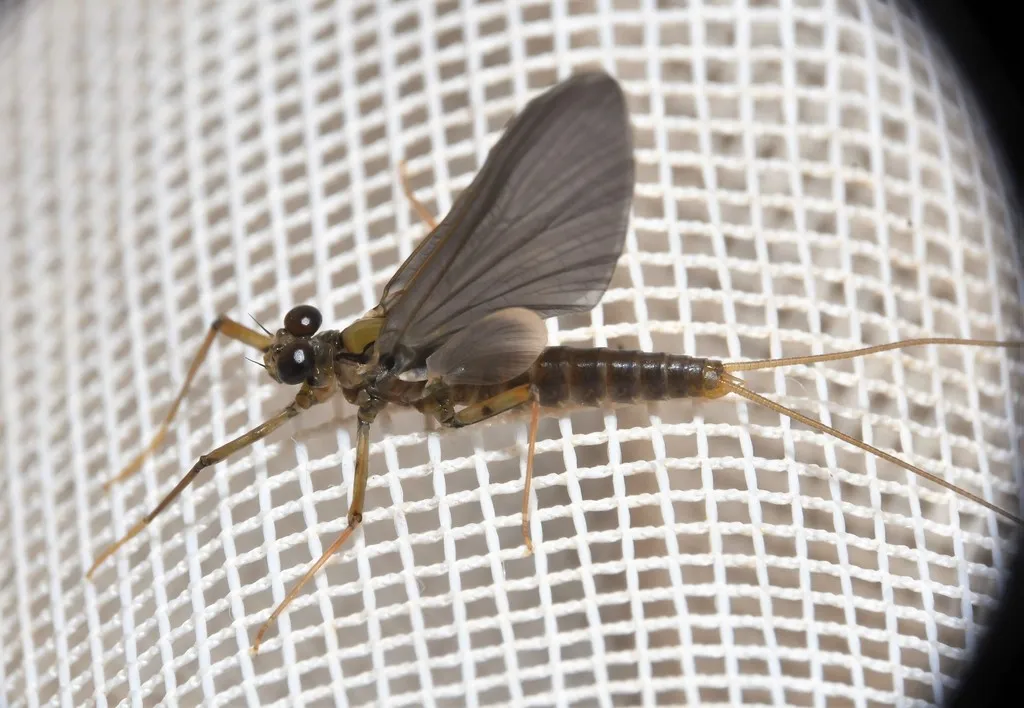
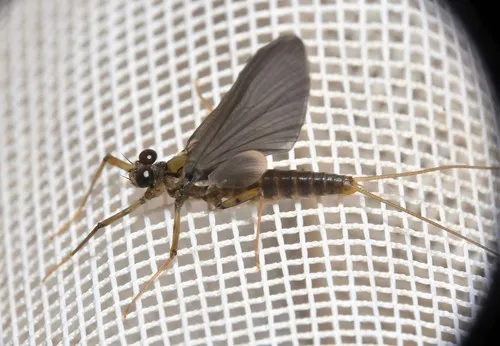
Photo credits: Contributed by tom murray; Additional contributions by ceiseman , v belov