
Epeorus dispar
This record describes Epeorus dispar (species). Recorded family: Heptageniidae. Recorded order: Ephemeroptera.
Identification and Appearance
Classification
- Kingdom
- Animalia
- Phylum
- Arthropoda
- Class
- Insecta
- Order
- Ephemeroptera (Mayflies)
- Suborder
- Pisciforma
- Superfamily
- Heptagenioidea
- Family
- Heptageniidae (Flatheaded Mayflies)
- Genus
- Epeorus
Imported taxonomy record. Source availability varies; see the source references and editorial policy below.
Habitat and Range
Geographic Range
se. US
Seasonal Activity
late May to early August
Additional species information
Species notes from the sources
Etymology: Epeorus dispar (Traver 1933) - although Traver did not explain the name in the orig. description, dispar means unlike or unequal. The only place she used a direct synonym was in describing the tarsal claws as "dissimilar."
About Mayflies: the wider group
Order-level background for Ephemeroptera, the group containing Epeorus dispar. Species-specific details appear above.
Group overview
Ephemeroptera (mayflies) includes ~3,500 described species. Adult mayflies are famous for their extraordinarily short lifespans - some species live as adults for only 5 minutes to 24 hours, the shortest adult lifespan of any insect.
Ecological role of the group
Mayfly nymphs spend 1-2 years developing in freshwater before emerging as adults. They are key bioindicators - their presence indicates clean, well-oxygenated water. They are also a primary food source for freshwater fish.
Economic and practical significance of the group
Mayfly hatches are so massive they appear on weather radar - a 2014 Mississippi River hatch near La Crosse, Wisconsin was tracked by the National Weather Service. Mass emergences can cause slippery road conditions and traffic hazards.
Recorded sources for this group: National Weather Service, EPA bioassessment protocols. Imported estimates may describe particular regions or reporting periods.
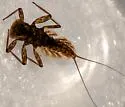
Photos of Epeorus dispar (4)
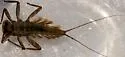
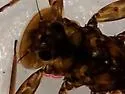
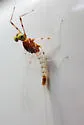
Photo credits: Contributed by Roger Rohrbeck; Additional contributions by v belov , L Gonzales