
Pacific Mole Crab
Emerita analoga
This record describes Emerita analoga (species). Recorded family: Hippidae. Recorded order: Decapoda.
Identification and Appearance
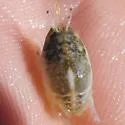
| Feature | Description |
|---|---|
| Carapace | Carapace greenish to grey with fine stripes or speckles of light color anteriorly; pinkish laterally. First pereopod pink and white, other appendages mostly pinkish. |
| Abdomen | Abdomen gray, telson white, with two pink stripes. First pair of legs lacking claws. This is the only species of the genus found on the Pacific Coast of North America |
Classification
Habitat and Range
Habitat
Marine shoreline; in sand along wavebreak
Geographic Range
Pacific Coast from Vancouver, Canada south to Chile
Diet and Behavior
Life History
Found between tidemarks on sandy beaches where it burrows into the sand, leaving their feathery second antennae exposed in order to filter food particles from the backwash of waves.
About Crabs, Crayfishes, Lobsters, Prawns, and Shrimp: the wider group
Order-level background for Decapoda, the group containing Emerita analoga. Species-specific details appear above.
Group overview
Decapoda includes ~15,000 described species of crabs, lobsters, shrimp, and crayfish. Although primarily marine and freshwater, some species like hermit crabs and coconut crabs are fully terrestrial.
Ecological role of the group
Crayfish are keystone species in freshwater ecosystems, influencing water clarity, sediment dynamics, and plant communities. Hermit crabs play vital roles in nutrient cycling on tropical islands.
Economic and practical significance of the group
The global shrimp industry alone is worth over $45 billion annually. Crayfish are important aquaculture species and invasive crayfish cause ecological damage estimated in the hundreds of millions annually in Europe and North America.
Recorded sources for this group: FAO fisheries statistics, freshwater ecology. Imported estimates may describe particular regions or reporting periods.
Photos of Pacific Mole Crab (5)
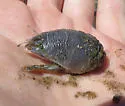
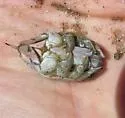
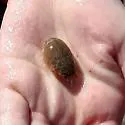
Photo credits: Contributed by Jason D. Roberts
Frequently Asked Questions About Pacific Mole Crab
What is Pacific Mole Crab?
Pacific Mole Crab (Emerita analoga) is a species in the family Hippidae, within the order Decapoda.
How big is Pacific Mole Crab?
Carapace up to 35mm in length.
How do you identify Pacific Mole Crab?
| Feature | Description |
|---|---|
| Carapace | Carapace greenish to grey with fine stripes or speckles of light color anteriorly; pinkish laterally. First pereopod pink and white, other appendages mostly pinkish. |
| Abdomen | Abdomen gray, telson white, with two pink stripes. First pair of legs lacking claws. |
Where is Pacific Mole Crab found?
| Feature | Details |
|---|---|
| Habitat | Marine shoreline; in sand along wavebreak |
| Range | Pacific Coast from Vancouver, Canada south to Chile |
What is the life cycle of a Pacific Mole Crab?
Found between tidemarks on sandy beaches where it burrows into the sand, leaving their feathery second antennae exposed in order to filter food particles from the backwash of waves.