
Donacia tuberculifrons
This record describes Donacia tuberculifrons (species). Recorded family: Chrysomelidae. Recorded order: Coleoptera.
Identification and Appearance
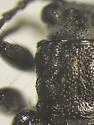
Pronotum with anterolateral calli and posterolateral calli distinct, not exceeded by the setiferous tubercles so the side appears bisinuate; median pronotal line fairly distinct, disc with smooth rugae laterally; elytra curving relatively strongly toward apex, appearing not so long; frons of head with the calli distinctly tuberculate and relatively tuberculata. Type Locality: Toronto, Ontario, Canada
Classification
- Kingdom
- Animalia
- Phylum
- Arthropoda
- Class
- Insecta
- Order
- Coleoptera (Beetles)
- Suborder
- Polyphaga
- Superfamily
- Chrysomeloidea
- Family
- Chrysomelidae (Leaf Beetles)
- Subfamily
- Donaciinae
- Tribe
- Plateumarini
- Genus
- Donacia
Imported taxonomy record. Source availability varies; see the source references and editorial policy below.
Habitat and Range
Habitat
Margins of streams and ponds etc, on emergent aquatic plants
Geographic Range
e. NA to BC and VA Quebec south to Virginia, west to Iowa and Manitoba, with isolated records in BC and NM
Diet and Behavior
Diet: Carex, Acorus calamus, and Sparganium are reported, as having been collected from these plants. Some incidental records would very likely not be food plants.
Additional species information
Species notes from the sources
Etymology: Donacia tuberculifrons Schaeffer, 1919 Name refers to the quite prominent tubercles on the front, between eyes, though other species in the group are quite similar in this character
About Primitive Winged Insects: the wider group
Order-level background for Coleoptera, the group containing Donacia tuberculifrons. Species-specific details appear above.
Group overview
Coleoptera is the largest order of insects with over 400,000 described species, representing ~25% of all known animal species and ~40% of all insects. In the U.S. alone, nearly 30,000 beetle species have been identified.
Ecological role of the group
Beetles are prominent decomposers, especially in forests, breaking down dead wood and recycling nutrients. As predators, they reduce populations of pest insects. Many species are also important pollinators of flowering plants.
Economic and practical significance of the group
Beetles have major economic significance: leaf beetles (Chrysomelidae) and weevils (Curculionoidea) are among the most destructive agricultural pests globally, costing billions annually, while predatory species like ladybugs provide natural pest control.
Recorded sources for this group: Britannica, Smithsonian, NCSU Entomology. Imported estimates may describe particular regions or reporting periods.
Photos of Donacia tuberculifrons (5)
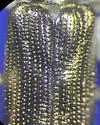
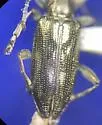
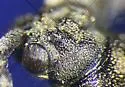
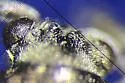
Photo credits: Contributed by Mike Quinn; Additional contributions by Ingolf
Frequently Asked Questions About Donacia tuberculifrons
What is Donacia tuberculifrons?
Donacia tuberculifrons is a species in the family Chrysomelidae, within the order Coleoptera.
How do you identify Donacia tuberculifrons?
Pronotum with anterolateral calli and posterolateral calli distinct, not exceeded by the setiferous tubercles so the side appears bisinuate; median pronotal line fairly distinct, disc with smooth rugae laterally; elytra curving relatively strongly toward apex, appearing not so long; frons of head with the calli distinctly tuberculate and relatively tuberculata.
Where is Donacia tuberculifrons found?
| Feature | Details |
|---|---|
| Habitat | Margins of streams and ponds etc, on emergent aquatic plants |
| Range | e. NA to BC and VA Quebec south to Virginia, west to Iowa and Manitoba, with isolated records in BC and NM |
What does Donacia tuberculifrons eat?
The diet of the Donacia tuberculifrons includes Carex, Acorus calamus, and Sparganium are reported, as having been collected from these plants. Some incidental records would very likely not be food plants..