
Western Encephalitis Mosquito
Culex tarsalis
This record describes Culex tarsalis (species). Recorded family: Culicidae. Recorded order: Diptera.
Identification and Appearance
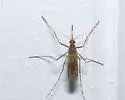
< note banded hind legs and proboscis Adult Female: Scutum with middorsal acrostichal setae, hindtarsomeres with distinct apical and basal bands of pale scales, proboscis with complete distinct ring of pale scales, anterior of forefemur and tibia with pale stripe or line of pale-scaled spots, V-shaped dark marks on abdominal sterna. ( 3 ) Forestry Images Culex tarsalis is the most important mosquito vector of arboviruses in western North America - Dr. William Reisen, 2013
Classification
Habitat and Range
Habitat
Larvae tolerate a wide range of water conditions and may be abundant in agricultural tailwater, alkaline lake beds, fresh and saline wetlands, secondary treated sewage effluent and oil field run-off. Permanent water with fixed depth rarely supports abundant populations unless intermittently perturbated. Excessive organic pollution is not tolerated. - Dr. William Reisen, 2013
Geographic Range
CA-FL-OH-BC / n. Mex. Most abundant in western agroecosystems and wetlands and relatively rare east of the Mississippi River. - Dr. William Reisen, 2002, 2013
Seasonal Activity
Temporal abundance patterns vary from summer-active in the north to winter-active in the south. - Dr. William Reisen, 2013
Diet and Behavior
Life History
In spring, when population abundance is low, most females feed on birds shortly after sunset. During late summer when abundance is high, bird mosquito-avoidance behavior diverts many females to feed on mammals including rabbits, horses, cattle and man. This host shift may be important in virus transmission to horses and man. - Dr. William Reisen, 2013
Additional species information
Species notes from the sources
Etymology: Culex tarsalis Coquillett, 1896
About Flies: the wider group
Order-level background for Diptera, the group containing Culex tarsalis. Species-specific details appear above.
Group overview
Diptera includes over 150,000 described species of flies, mosquitoes, and midges. Mosquitoes are the deadliest animal on Earth (CDC). Malaria alone causes ~249 million cases and over 608,000 deaths annually, mostly children under 5 (WHO). Vector-borne diseases account for over 17% of all infectious diseases, causing 700,000+ deaths per year.
Ecological role of the group
Despite their disease impact, flies are critical decomposers and pollinators. Hoverflies alone pollinate hundreds of crop and wildflower species. Flies are also the primary food source for many birds, bats, and fish. Forensic entomology relies heavily on fly species for crime scene analysis.
Economic and practical significance of the group
In the U.S., vector-borne disease cases tripled between 2004-2016, with over 640,000 cases reported in that period (CDC). Tickborne diseases doubled from 22,000 to 48,000 annual reports. Globally, mosquito-borne diseases cost billions in healthcare and lost productivity.
Recorded sources for this group: WHO, CDC, PNAS. Imported estimates may describe particular regions or reporting periods.
Photos of Western Encephalitis Mosquito (5)
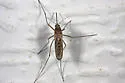
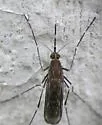
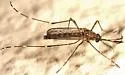
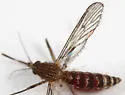
Photo credits: Contributed by Omar Fahmy; Additional contributions by Beatriz Moisset , smccann27 , Mike Quinn , PaleoJon
Frequently Asked Questions About Western Encephalitis Mosquito
What is Western Encephalitis Mosquito?
Western Encephalitis Mosquito (Culex tarsalis) is a species in the family Culicidae, within the order Diptera.
How big is Western Encephalitis Mosquito?
5.5 mm
How do you identify Western Encephalitis Mosquito?
< note banded hind legs and proboscis Adult Female: Scutum with middorsal acrostichal setae, hindtarsomeres with distinct apical and basal bands of pale scales, proboscis with complete distinct ring of pale scales, anterior of forefemur and tibia with pale stripe or line of pale-scaled spots, V-shaped dark marks on abdominal sterna. ( 3 ) Forestry Images
Where is Western Encephalitis Mosquito found?
| Feature | Details |
|---|---|
| Habitat | Larvae tolerate a wide range of water conditions and may be abundant in agricultural tailwater, alkaline lake beds, fresh and saline wetlands, secondary treated sewage effluent and oil field run-off. Permanent water with fixed depth rarely supports abundant populations unless intermittently perturbated. Excessive organic pollution is not tolerated. - Dr. William Reisen, 2013 |
| Range | CA-FL-OH-BC / n. Mex. Most abundant in western agroecosystems and wetlands and relatively rare east of the Mississippi River. - Dr. William Reisen, 2002, 2013 |
When is Western Encephalitis Mosquito active?
Western Encephalitis Mosquito: seasonal activity - Temporal abundance patterns vary from summer-active in the north to winter-active in the south. - Dr. William Reisen, 2013.
What is the life cycle of a Western Encephalitis Mosquito?
In spring, when population abundance is low, most females feed on birds shortly after sunset. During late summer when abundance is high, bird mosquito-avoidance behavior diverts many females to feed on mammals including rabbits, horses, cattle and man. This host shift may be important in virus transmission to horses and man. - Dr. William Reisen, 2013