
Gray Silverfish
Ctenolepisma longicaudatum
This record describes Ctenolepisma longicaudatum (species). Recorded family: Lepismatidae. Recorded order: Zygentoma.
Identification and Appearance
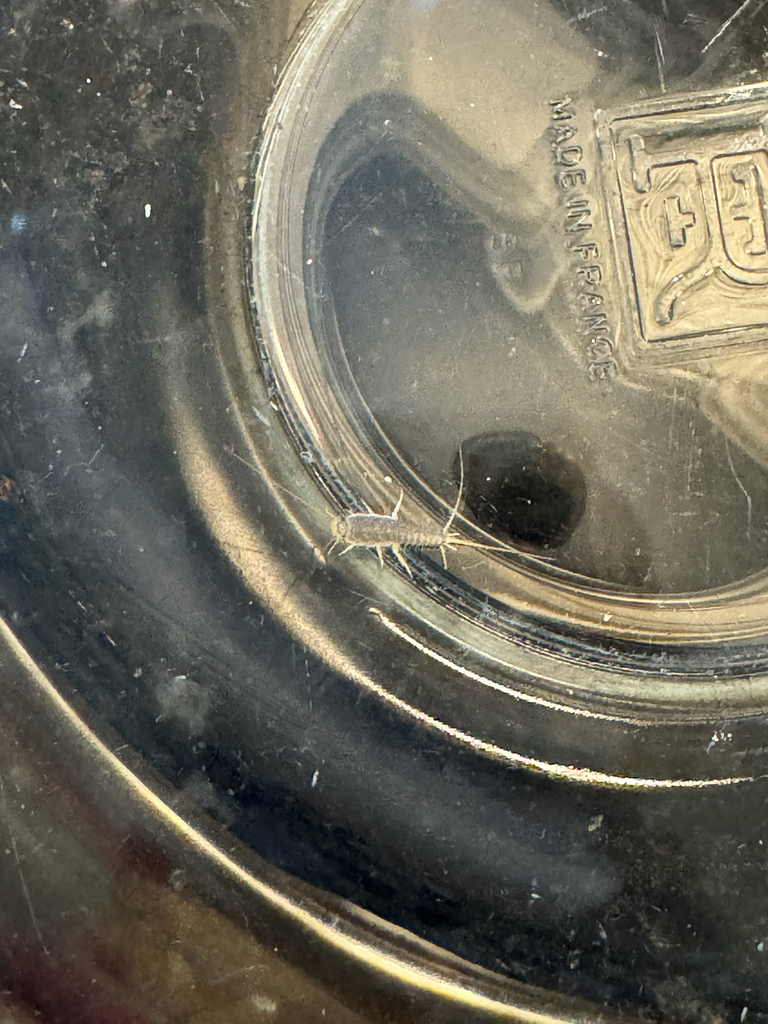
body uniformly light to dark gray; abdomen lacks median setal combs (tufts of hair) beneath but has setal combs above; rear of abdomen has two pairs of styli (fingerlike processes)
Wikipedia reference for Ctenolepisma longicaudatum: https://en.wikipedia.org/wiki/Ctenolepisma_longicaudatum.
Classification
- Kingdom
- Animalia
- Phylum
- Arthropoda
- Class
- Insecta
- Order
- Zygentoma (Silverfish)
- Family
- Lepismatidae
- Genus
- Ctenolepisma
Imported taxonomy record. Source availability varies; see the source references and editorial policy below.
Habitat and Range
Habitat
cracks and crevices in all areas of homes from basement to attic: closets, storage areas, kitchens, garages, etc.; hides during day, and avoids light
Geographic Range
midwestern and southern United States; can be a pest in southern California
Seasonal Activity
year-round indoors
Diet and Behavior
Diet: paper of high chemical pulp content such as onion skin, cleansing tissue, cellophane; wheat flour and beef extract, especially when used as a paste on paper; starched clothing and dry foods
Life History
female lays eggs in batches of 2-20, placing them in cracks; first instar lacks setae (hairs) and scales; scales appear in 4th instar, and genitalia appear in 14th instar; sexual maturity reached in 2-3 years; adult may molt 3-5 times per year for another 5 years
About Silverfish: the wider group
Order-level background for Zygentoma, the group containing Ctenolepisma longicaudatum. Species-specific details appear above.
Group overview
Zygentoma (silverfish and firebrats) includes ~400 described species. Silverfish are among the oldest living insect orders - they have remained virtually unchanged for over 400 million years, predating dinosaurs by 170 million years.
Ecological role of the group
In natural environments, silverfish are important decomposers of plant material. They undergo ametabolous development - they do not metamorphose and continue molting throughout their life, which can span 3-8 years.
Economic and practical significance of the group
Silverfish are common household pests that damage books, wallpaper, clothing, and stored foods by feeding on starch, cellulose, and protein. They can survive for up to a year without food.
Recorded sources for this group: Pest management research, paleontology. Imported estimates may describe particular regions or reporting periods.
Photos of Gray Silverfish (3)
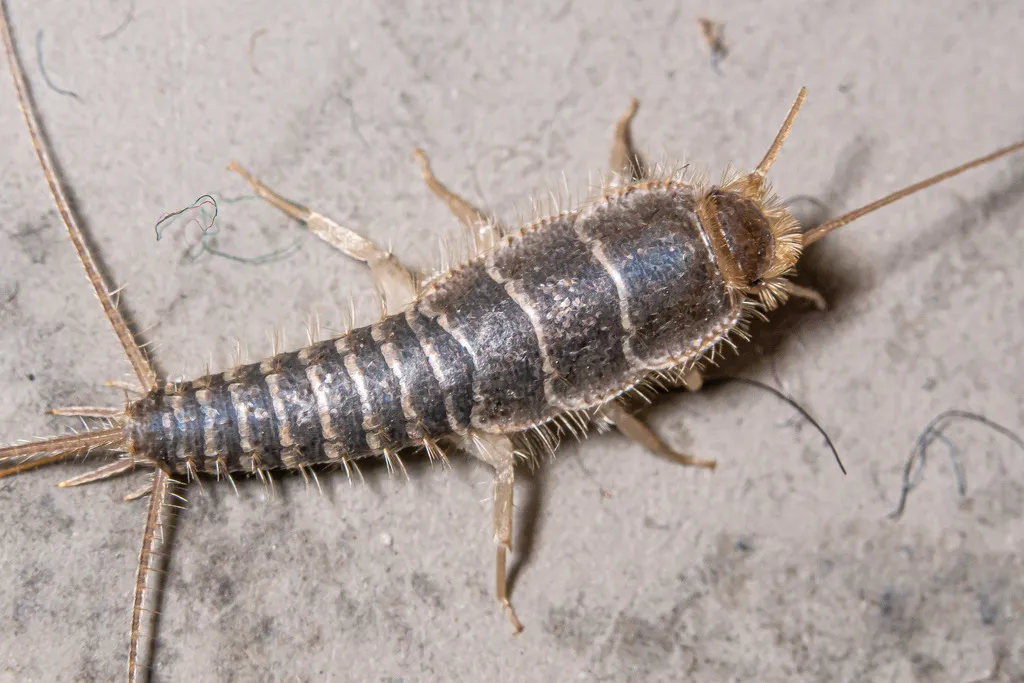
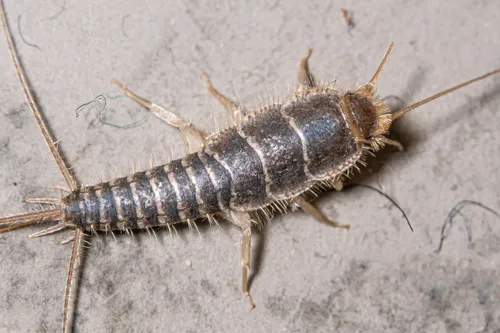
Photo credits: Contributed by Robin McLeod; Additional contributions by Chuck Entz , margarethe brummermann , Eric C. Maxwell , v belov
Frequently Asked Questions About Gray Silverfish
What is Gray Silverfish?
Gray Silverfish (Ctenolepisma longicaudatum) is a species in the family Lepismatidae, within the order Zygentoma.
How big is Gray Silverfish?
body 15-19 mm
How do you identify Gray Silverfish?
body uniformly light to dark gray; abdomen lacks median setal combs (tufts of hair) beneath but has setal combs above; rear of abdomen has two pairs of styli (fingerlike processes)
Where is Gray Silverfish found?
| Feature | Details |
|---|---|
| Habitat | cracks and crevices in all areas of homes from basement to attic: closets, storage areas, kitchens, garages, etc.; hides during day, and avoids light |
| Range | midwestern and southern United States; can be a pest in southern California |
What does Gray Silverfish eat?
The diet of the Gray Silverfish includes paper of high chemical pulp content such as onion skin, cleansing tissue, cellophane; wheat flour and beef extract, especially when used as a paste on paper; starched clothing and dry foods.
When is Gray Silverfish active?
Gray Silverfish: seasonal activity - year-round indoors.
What is the life cycle of a Gray Silverfish?
female lays eggs in batches of 2-20, placing them in cracks; first instar lacks setae (hairs) and scales; scales appear in 4th instar, and genitalia appear in 14th instar; sexual maturity reached in 2-3 years; adult may molt 3-5 times per year for another 5 years