
Four-lined Silverfish
Ctenolepisma lineatum
This record describes Ctenolepisma lineatum (species). Recorded family: Lepismatidae. Recorded order: Zygentoma.
Identification and Appearance
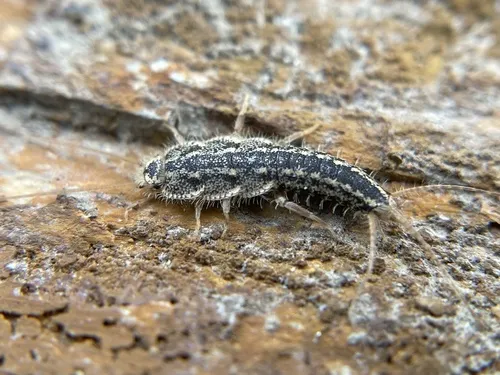
The abdomen is often marked with 4 dark brown lines. Generally similar to the closely related Common Silverfish ( Lepisma saccharina ) but can be distinguished by being rather stouter and less shiny with all appendages (antennae and 3 tails) noticeably longer. The young are light brown, and are often tinged with pink until the fourth molt, which occurs a month or so after hatching.
Wikipedia reference for Ctenolepisma lineatum: https://en.wikipedia.org/wiki/Ctenolepisma_lineatum.
Classification
- Kingdom
- Animalia
- Phylum
- Arthropoda
- Class
- Insecta
- Order
- Zygentoma (Silverfish)
- Family
- Lepismatidae
- Genus
- Ctenolepisma
Imported taxonomy record. Source availability varies; see the source references and editorial policy below.
Habitat and Range
Habitat
can be found throughout the house, incl. basement, wall voids, attic (often in large numbers, particularly in houses with roofs of wooden shingles). in the mulch of flower beds around the foundation, and also in the garage (even unattached to the house) (Zeigler 1955). C. l. pilifera (Lucas) frequently enters homes in rural northern California (Smith 1970).
Geographic Range
eastern United States as far south as Georgia and Arkansas and also in California.
Additional species information
Species notes from the sources
Etymology: Ctenolepisma lineata (Fabricius 1775)
About Silverfish: the wider group
Order-level background for Zygentoma, the group containing Ctenolepisma lineatum. Species-specific details appear above.
Group overview
Zygentoma (silverfish and firebrats) includes ~400 described species. Silverfish are among the oldest living insect orders - they have remained virtually unchanged for over 400 million years, predating dinosaurs by 170 million years.
Ecological role of the group
In natural environments, silverfish are important decomposers of plant material. They undergo ametabolous development - they do not metamorphose and continue molting throughout their life, which can span 3-8 years.
Economic and practical significance of the group
Silverfish are common household pests that damage books, wallpaper, clothing, and stored foods by feeding on starch, cellulose, and protein. They can survive for up to a year without food.
Recorded sources for this group: Pest management research, paleontology. Imported estimates may describe particular regions or reporting periods.
Photos of Four-lined Silverfish (3)
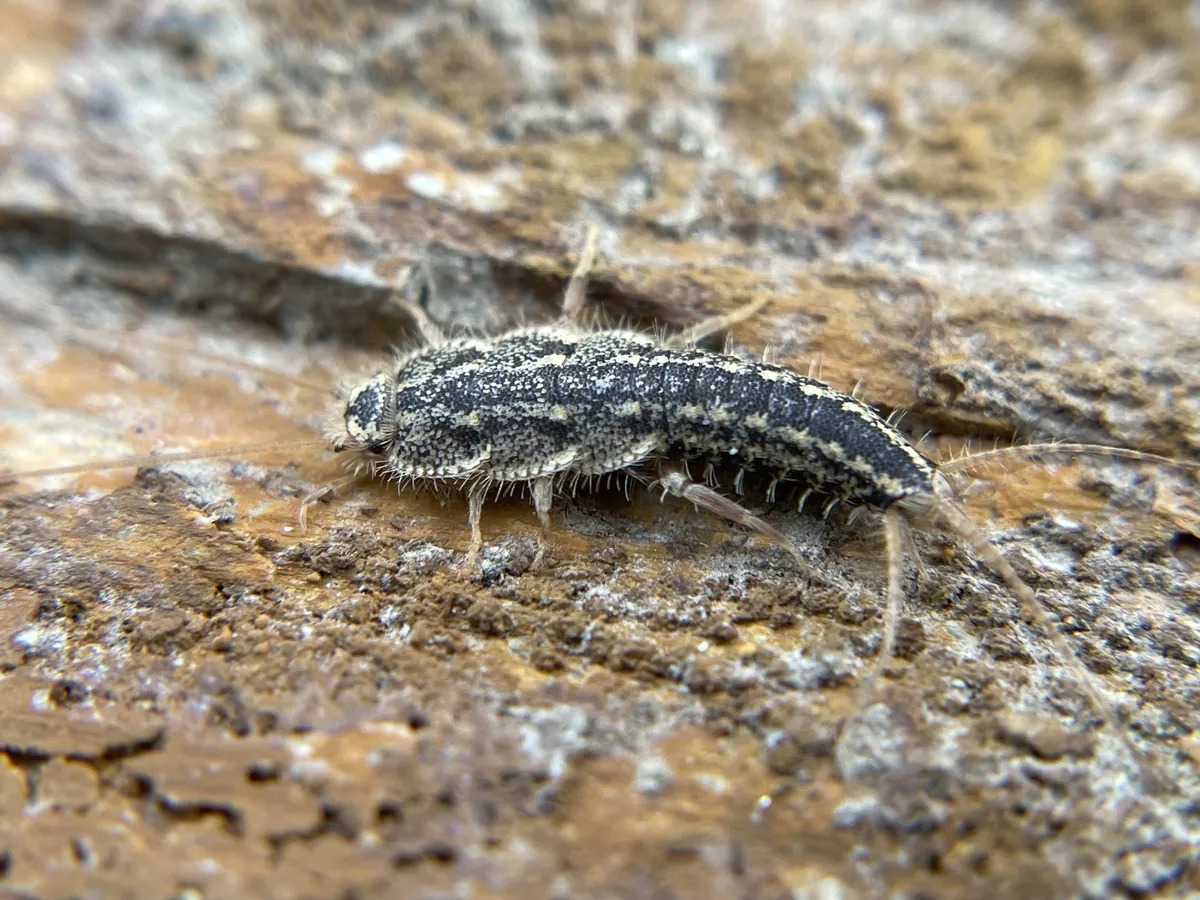
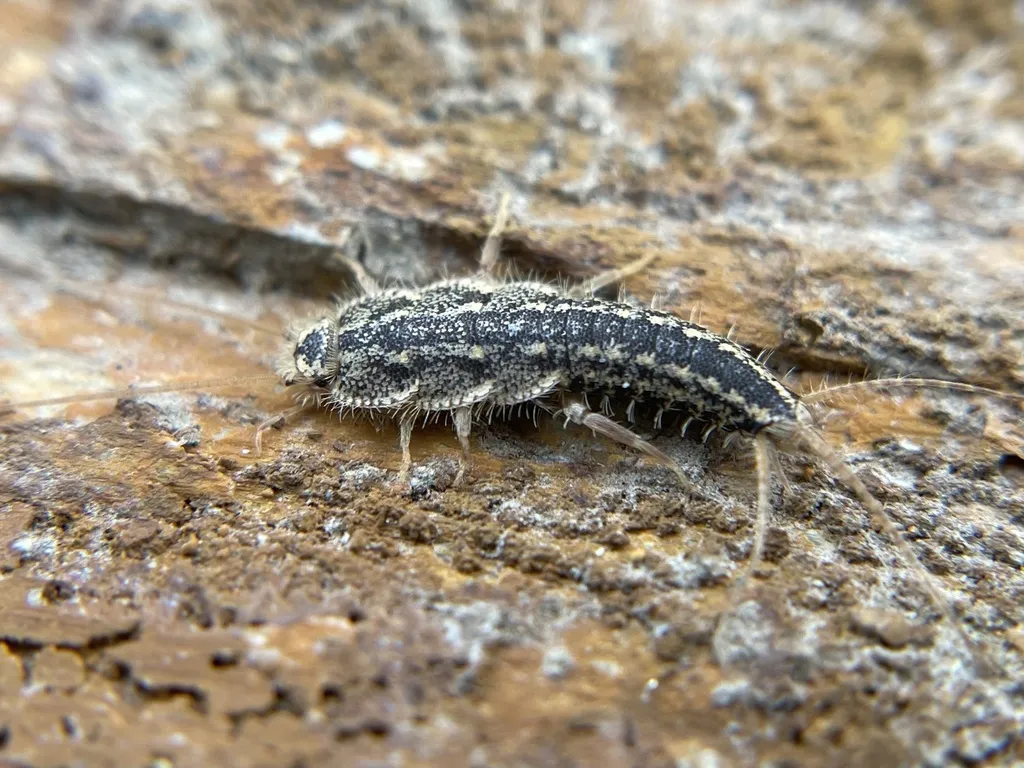
Photo credits: Contributed by Ted Kropiewnicki; Additional contributions by margarethe brummermann , v belov
Frequently Asked Questions About Four-lined Silverfish
What is Four-lined Silverfish?
Four-lined Silverfish (Ctenolepisma lineatum) is a species in the family Lepismatidae, within the order Zygentoma.
How big is Four-lined Silverfish?
~15 mm
How do you identify Four-lined Silverfish?
The abdomen is often marked with 4 dark brown lines. Generally similar to the closely related Common Silverfish ( Lepisma saccharina ) but can be distinguished by being rather stouter and less shiny with all appendages (antennae and 3 tails) noticeably longer. The young are light brown, and are often tinged with pink until the fourth molt, which occurs a month or so after hatching.
Where is Four-lined Silverfish found?
| Feature | Details |
|---|---|
| Habitat | can be found throughout the house, incl. basement, wall voids, attic (often in large numbers, particularly in houses with roofs of wooden shingles). in the mulch of flower beds around the foundation, and also in the garage (even unattached to the house) (Zeigler 1955). C. l. pilifera (Lucas) frequently enters homes in rural northern California (Smith 1970). |
| Range | eastern United States as far south as Georgia and Arkansas and also in California. |