
Coelodasys apicalis - Hodges#8009
Coelodasys apicalis
This record describes Coelodasys apicalis (species). Recorded family: Notodontidae. Recorded order: Lepidoptera.
Identification and Appearance
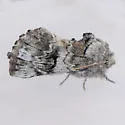
Classification
- Kingdom
- Animalia
- Phylum
- Arthropoda
- Class
- Insecta
- Order
- Lepidoptera (Butterflies and Moths)
- Superfamily
- Noctuoidea
- Family
- Notodontidae (Prominent Moths)
- Subfamily
- Heterocampinae
- Genus
- Coelodasys
Imported taxonomy record. Source availability varies; see the source references and editorial policy below.
Habitat and Range
Habitat
xeric, oak scrub, oak-pine scrub, savanna, or barrens
Geographic Range
Historically from scattered areas of southern Quebec and southern Maine to Wisconsin and southward, including parts of Nebraska, Missouri, and Kansas, to Texas and Florida Canada: NS to MB; USA: ME west to NE and south to FL and LA Type locality: "Eastern States".
Seasonal Activity
adults fly mid-June to early August in the north and January to June in Florida
Diet and Behavior
Diet: probably polyphagous but have been reported on bayberry, wax myrtle, sweet fern, and blueberry
Additional species information
Species notes from the sources
Etymology: Coelodasys apicalis Grote & Robinson, 1866, n. comb. in Miller et al. , was formerly in the genus Schizura .
About Butterflies and Moths: the wider group
Order-level background for Lepidoptera, the group containing Coelodasys apicalis. Species-specific details appear above.
Group overview
Lepidoptera includes approximately 180,000 described species of butterflies and moths. Moths outnumber butterflies roughly 10:1. The monarch butterfly's eastern population has declined by more than 80% since the mid-1990s, and the western population by over 95% since the 1980s. The IUCN lists the migratory monarch as Vulnerable.
Ecological role of the group
Butterflies and moths are essential indicators of ecosystem health. As caterpillars, they are a primary food source for birds - a single nest of blue tit chicks requires ~10,000 caterpillars. Adult moths pollinate many night-blooming plants.
Economic and practical significance of the group
Lepidoptera are critical pollinators. In Europe, grassland butterfly species have declined by almost 50% since the early 1990s. In the UK, three-quarters of butterflies are in decline. In the U.S., five butterfly species have gone extinct since 1950, with 29 listed as endangered.
Recorded sources for this group: IUCN Red List, Xerces Society, USFWS, PNAS, WWF. Imported estimates may describe particular regions or reporting periods.
Photos of Coelodasys apicalis - Hodges#8009 (5)
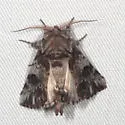
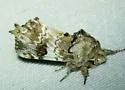
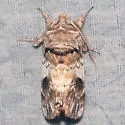
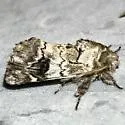
Photo credits: Contributed by john and jane balaban; Additional contributions by Steve Nanz , Jason D. Roberts , Randy Hardy
Frequently Asked Questions About Coelodasys apicalis - Hodges#8009
How big is Coelodasys apicalis - Hodges#8009?
wingspan 26 - 32mm
Where is Coelodasys apicalis - Hodges#8009 found?
| Feature | Details |
|---|---|
| Habitat | xeric, oak scrub, oak-pine scrub, savanna, or barrens |
| Range | Historically from scattered areas of southern Quebec and southern Maine to Wisconsin and southward, including parts of Nebraska, Missouri, and Kansas, to Texas and Florida Canada: NS to MB; USA: ME west to NE and south to FL and LA Type locality: Eastern States. |
What does Coelodasys apicalis - Hodges#8009 eat?
The diet of the Coelodasys apicalis - Hodges#8009 includes probably polyphagous but have been reported on bayberry, wax myrtle, sweet fern, and blueberry.
When is Coelodasys apicalis - Hodges#8009 active?
Coelodasys apicalis - Hodges#8009: seasonal activity - adults fly mid-June to early August in the north and January to June in Florida.