
Ceratocapsus fanseriae
This record describes Ceratocapsus fanseriae (species). Recorded family: Miridae. Recorded order: Hemiptera.
Identification and Appearance
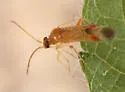
Classification
- Kingdom
- Animalia
- Phylum
- Arthropoda
- Class
- Insecta
- Order
- Hemiptera (True Bugs, Cicadas, Hoppers, Aphids and Allies)
- Suborder
- Heteroptera
- Superfamily
- Miroidea
- Family
- Miridae (Plant Bugs)
- Subfamily
- Orthotylinae
- Tribe
- Ceratocapsini
- Genus
- Ceratocapsus
Imported taxonomy record. Source availability varies; see the source references and editorial policy below.
Habitat and Range
Habitat
See notes above.
Geographic Range
AZ, NM
Additional species information
Species notes from the sources
Etymology: So named because the type series, collected by the outstanding mirid collector A. A. Nichol, was found breeding on what Mr. Nichol called " Franseria xanthofolia " in the foothills of the Catalina Mts. north of Tucson, AZ. This appears to be a non-existent plant name. Apparently, no plant ever had the species epithet "xanthofolia" (based on an exhaustive search of the SEINet list of plant names as well as the International Plant Names Index). It seems likely that Nichol would have been familiar with so-called "carelessweed", Cyclachaena xanthiifolia , and perhaps this was what came to mind when he found the similar-looking canyon ragweed (then called Franseria ambrosioides , later moved into the genus Ambrosia to form the hilarious current combination Ambrosia ambrosioides , which literally means "Ambrosia-like Ambrosia") - the dominant shrub of the Catalina foothills, one that lends the area a characteristic olfactory ambience. One can forgive Mr. Nichol for crossing his synapses a bit there; it's happened to the best of them. In any case, to the mental anguish of humanity forever after, Knight misspelled the reported host genus in the name he gave this mirid (though he spelled it correctly as "Franseria" in his remarks accompanying the description).
About True Bugs, Cicadas, Hoppers, Aphids and Allies: the wider group
Order-level background for Hemiptera, the group containing Ceratocapsus fanseriae. Species-specific details appear above.
Group overview
Hemiptera (true bugs) includes over 80,000 described species across cicadas, aphids, leafhoppers, shield bugs, and bed bugs. Aphids alone cost global agriculture an estimated $2.5 billion annually in crop losses.
Ecological role of the group
Many Hemiptera are essential food sources for birds and predatory insects. Cicadas provide massive nutrient pulses during emergence events - a single Brood X emergence can involve trillions of individuals across 15 states.
Economic and practical significance of the group
The brown marmorated stink bug (Halyomorpha halys) caused $37 million in apple crop losses in a single year in the U.S. Mid-Atlantic region. Bed bug infestations in the U.S. increased by 500% between 2001-2010, costing the hotel industry hundreds of millions annually.
Recorded sources for this group: USDA, EPA, University research. Imported estimates may describe particular regions or reporting periods.