
Spring Azure - Hodges#4363
Celastrina ladon
This record describes Celastrina ladon (species). Recorded family: Lycaenidae. Recorded order: Lepidoptera.
Identification and Appearance
See updates by Schmidt & Layberry 2016 and Pavulaan 2014 .
Classification
- Kingdom
- Animalia
- Phylum
- Arthropoda
- Class
- Insecta
- Order
- Lepidoptera (Butterflies and Moths)
- Superfamily
- Papilionoidea
- Family
- Lycaenidae (Blues, Coppers, Hairstreaks, Harvesters)
- Subfamily
- Polyommatinae
- Genus
- Celastrina (Azures)
Imported taxonomy record. Source availability varies; see the source references and editorial policy below.
Habitat and Range
Habitat
wooded areas
Geographic Range
much of central and eastern North America (Scott 1986)
Seasonal Activity
Where it occurs, this species often flies after C. lucia , but before C. serotina . In the mid-Atlantic region, this species begins flying in April.
Diet and Behavior
Diet: Flowering Dogwood ( Cornus florida ) and New Jersey Tea ( Ceanothus americanus ) among other spring-flowering trees and shrubs. Host plants can be herbs, vines, shrubs or trees of many families.
Life History
Eggs are laid on the host plant flower buds singly. Larvae tended by ants. Individuals overwinter as pupae. One or two flights a year depending on location. Flights occur between Feb 1 and Nov 30 in the more southern parts of the range, and often between May 15-Aug 15 in the most northern regions (Scott 1986) Adults live only a few days, females typically emerging and mating on the same day and laying eggs on the next, rarely surviving another day or two. Mass. Audubon
About Butterflies and Moths: the wider group
Order-level background for Lepidoptera, the group containing Celastrina ladon. Species-specific details appear above.
Group overview
Lepidoptera includes approximately 180,000 described species of butterflies and moths. Moths outnumber butterflies roughly 10:1. The monarch butterfly's eastern population has declined by more than 80% since the mid-1990s, and the western population by over 95% since the 1980s. The IUCN lists the migratory monarch as Vulnerable.
Ecological role of the group
Butterflies and moths are essential indicators of ecosystem health. As caterpillars, they are a primary food source for birds - a single nest of blue tit chicks requires ~10,000 caterpillars. Adult moths pollinate many night-blooming plants.
Economic and practical significance of the group
Lepidoptera are critical pollinators. In Europe, grassland butterfly species have declined by almost 50% since the early 1990s. In the UK, three-quarters of butterflies are in decline. In the U.S., five butterfly species have gone extinct since 1950, with 29 listed as endangered.
Recorded sources for this group: IUCN Red List, Xerces Society, USFWS, PNAS, WWF. Imported estimates may describe particular regions or reporting periods.
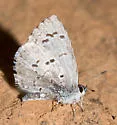
Photos of Spring Azure - Hodges#4363 (5)
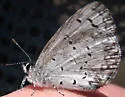
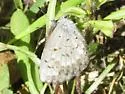
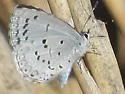
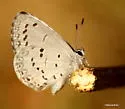
Photo credits: Contributed by Tony; Additional contributions by john and jane balaban , Steve Nanz , Beatriz Moisset , Nick Block , Corey Husic , Robert Lord Zimlich , KenW
Frequently Asked Questions About Spring Azure - Hodges#4363
What is Spring Azure - Hodges#4363?
Spring Azure - Hodges#4363 (Celastrina ladon) is a species in the family Lycaenidae, within the order Lepidoptera.
How big is Spring Azure - Hodges#4363?
Wingspan: 3/4 - 1 1/4".
Where is Spring Azure - Hodges#4363 found?
| Feature | Details |
|---|---|
| Habitat | wooded areas |
| Range | much of central and eastern North America (Scott 1986) |
What does Spring Azure - Hodges#4363 eat?
The diet of the Spring Azure - Hodges#4363 includes Flowering Dogwood ( Cornus florida ) and New Jersey Tea ( Ceanothus americanus ) among other spring-flowering trees and shrubs. Host plants can be herbs, vines, shrubs or trees of many families..
When is Spring Azure - Hodges#4363 active?
Spring Azure - Hodges#4363: seasonal activity - Where it occurs, this species often flies after C. lucia , but before C. serotina . In the mid-Atlantic region, this species begins flying in April..
What is the life cycle of a Spring Azure - Hodges#4363?
Eggs are laid on the host plant flower buds singly. Larvae tended by ants. Individuals overwinter as pupae. One or two flights a year depending on location. Flights occur between Feb 1 and Nov 30 in the more southern parts of the range, and often between May 15-Aug 15 in the most northern regions (Scott 1986) Adults live only a few days, females typically emerging and mating on the same day and laying eggs on the next, rarely surviving another day or two. Mass. Audubon