
Calcaritermes nearcticus
This record describes Calcaritermes nearcticus (species). Recorded family: Kalotermitidae. Recorded order: Blattodea.
Identification and Appearance
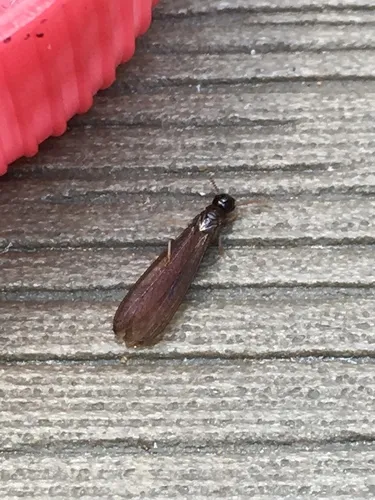
As with most Calcaritermes species, workers, presoldiers and some nymphs and soldiers can be differentiated from a small rasp near the end of the pronotum. Soldiers may be differentiated from sympatric Cryptotermes species due to the smooth texture of the head and the possession of U shaped depression on the dorsal-anterior portion of the head. In Cryptotermes , the front of the head is concave, with many wrinkles and lacks the defined U-shaped depression. Alates can be differentiated from the median vein on the forewing; it is scletorized and lacks cross veins connecting it to the costal veins, additionally the membrane is covered in small bumps. If wings are not available, C. nearcticus tends to be much darker in colouration (black/dark-brown v. brown to light brown) All Calcaritermes (with the exception of C. temnocephalus ) possess a raised patch of scales (metanotal rasp) on the pseudergate, soldier and nymph castes. It is speculated that this may be used to hold microbes to aid in the breakdown of the wood they infest similar to bark beetles and their relationship with fungi. It has also been noted that these Calcaritermes use their frass to line gallery walls.
Classification
- Kingdom
- Animalia
- Phylum
- Arthropoda
- Class
- Insecta
- Order
- Blattodea (Cockroaches and Termites)
- Superfamily
- Blattoidea
- Family
- Kalotermitidae (Drywood and Dampwood Termites)
- Genus
- Calcaritermes
Imported taxonomy record. Source availability varies; see the source references and editorial policy below.
Habitat and Range
Habitat
Likely infests branches in the canopy.
Geographic Range
One species in the United States being restricted to central and northeastern Florida to southeastern Georgia. Likely a relic species.
Seasonal Activity
Alates fly during midday, March to May.
Diet and Behavior
Diet: Has the habit of covering galleries in wet frass that likely help facilitate microbial breakdown of wood.
Additional species information
Species notes from the sources
Etymology: Calcaritermes nearcticus Snyder, 1925
About Cockroaches and Termites: the wider group
Order-level background for Blattodea, the group containing Calcaritermes nearcticus. Species-specific details appear above.
Group overview
Blattodea includes ~4,600 cockroach species and ~3,000 termite species. Only about 30 cockroach species are associated with human habitats - less than 1% of all species.
Ecological role of the group
Termites contribute ~40% of soil arthropod biomass globally, far exceeding ants at ~10%. Cockroaches are ancient insects dating back 320 million years and are critical decomposers in tropical forest ecosystems, recycling leaf litter and dead wood.
Economic and practical significance of the group
Termites cause $5-30 billion in damage to structures in the U.S. annually. They damage approximately 600,000 American homes each year, with average repair costs of $3,000-$17,000. A subterranean termite colony can consume one pound of wood per day.
Recorded sources for this group: USDA, Orkin, Today's Homeowner, PNAS soil biomass study. Imported estimates may describe particular regions or reporting periods.
Photos of Calcaritermes nearcticus (2)
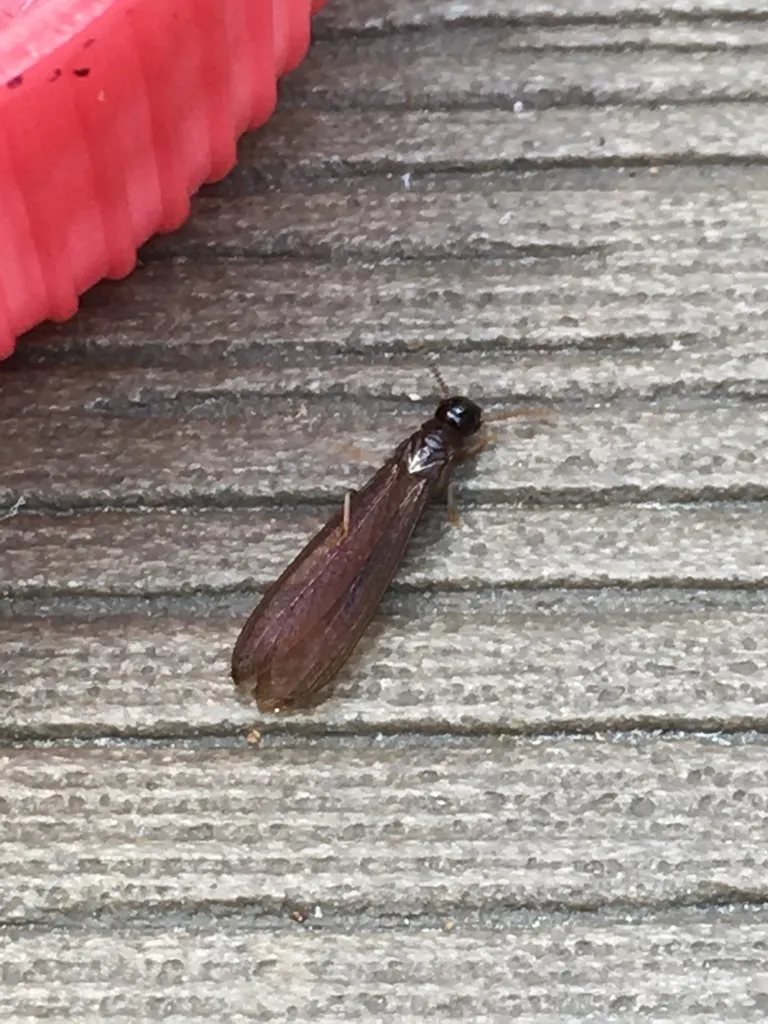
Photo credits: Contributed by Zhao J
Frequently Asked Questions About Calcaritermes nearcticus
What is Calcaritermes nearcticus?
Calcaritermes nearcticus is a species in the family Kalotermitidae, within the order Blattodea.
How big is Calcaritermes nearcticus?
Length of alates with wings: 7mm
How do you identify Calcaritermes nearcticus?
As with most Calcaritermes species, workers, presoldiers and some nymphs and soldiers can be differentiated from a small rasp near the end of the pronotum. Soldiers may be differentiated from sympatric Cryptotermes species due to the smooth texture of the head and the possession of U shaped depression on the dorsal-anterior portion of the head. In Cryptotermes , the front of the head is concave, with many wrinkles and lacks the defined U-shaped depression. Alates can be differentiated from the median vein on the forewing; it is scletorized and lacks cross veins connecting it to the costal veins, additionally the membrane is covered in small bumps. If wings are not available, C. nearcticus tends to be much darker in colouration (black/dark-brown v. brown to light brown)
Where is Calcaritermes nearcticus found?
| Feature | Details |
|---|---|
| Habitat | Likely infests branches in the canopy. |
| Range | One species in the United States being restricted to central and northeastern Florida to southeastern Georgia. Likely a relic species. |
What does Calcaritermes nearcticus eat?
The diet of the Calcaritermes nearcticus includes Has the habit of covering galleries in wet frass that likely help facilitate microbial breakdown of wood..
When is Calcaritermes nearcticus active?
Calcaritermes nearcticus: seasonal activity - Alates fly during midday, March to May..