
Agulla unicolor
This record describes Agulla unicolor (species). Recorded family: Raphidiidae. Recorded order: Rhaphidioptera.
Identification and Appearance
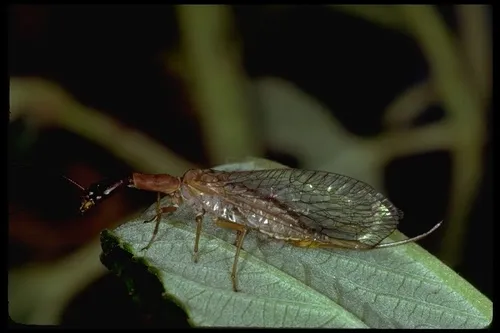
Classification
- Kingdom
- Animalia
- Phylum
- Arthropoda
- Class
- Insecta
- Order
- Rhaphidioptera (Snakeflies)
- Family
- Raphidiidae (Typical Snakeflies)
- Genus
- Agulla
Imported taxonomy record. Source availability varies; see the source references and editorial policy below.
About Snakeflies: the wider group
Order-level background for Rhaphidioptera, the group containing Agulla unicolor. Species-specific details appear above.
Group overview
Rhaphidioptera (snakeflies) includes ~260 described species. Named for their elongated 'neck' (prothorax) that gives them a snake-like appearance. They are exclusively found in the Northern Hemisphere.
Ecological role of the group
Snakefly fossils date to the Jurassic period (~150 mya) - they once had a worldwide distribution but are now restricted to temperate regions. Both larvae and adults are predatory, hunting under bark and in leaf litter.
Economic and practical significance of the group
Snakeflies are beneficial predators that feed on aphids, bark beetles, and other pest insects on trees. They are considered natural pest control agents in orchards and forests.
Recorded sources for this group: Entomological research, paleontology. Imported estimates may describe particular regions or reporting periods.
Photos of Agulla unicolor (3)
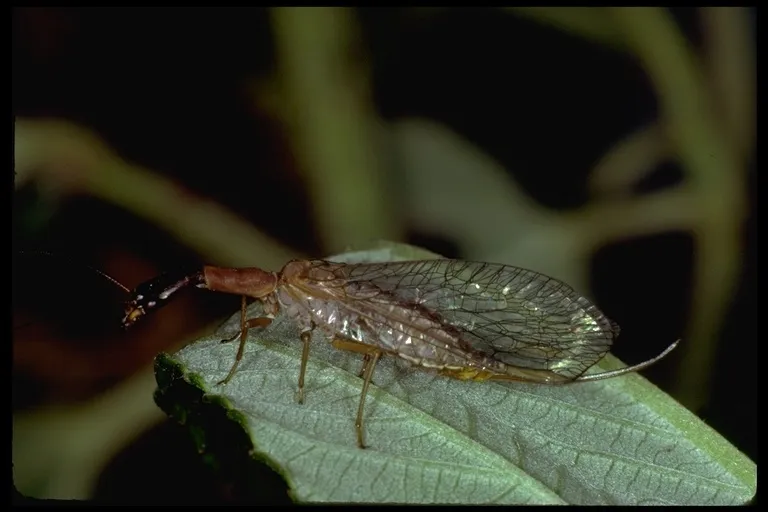
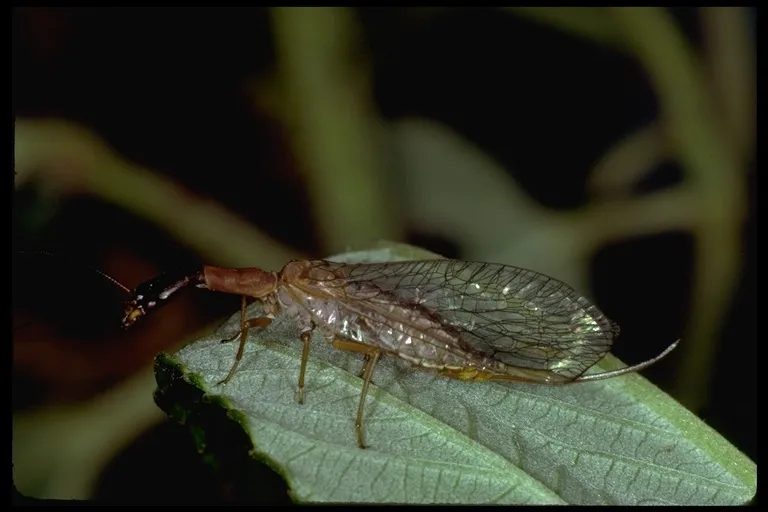
Photo credits: Contributed by Jonathan Hoskins