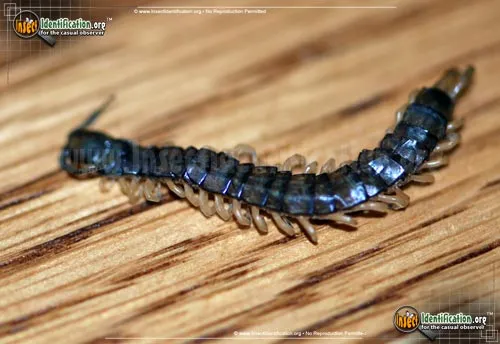
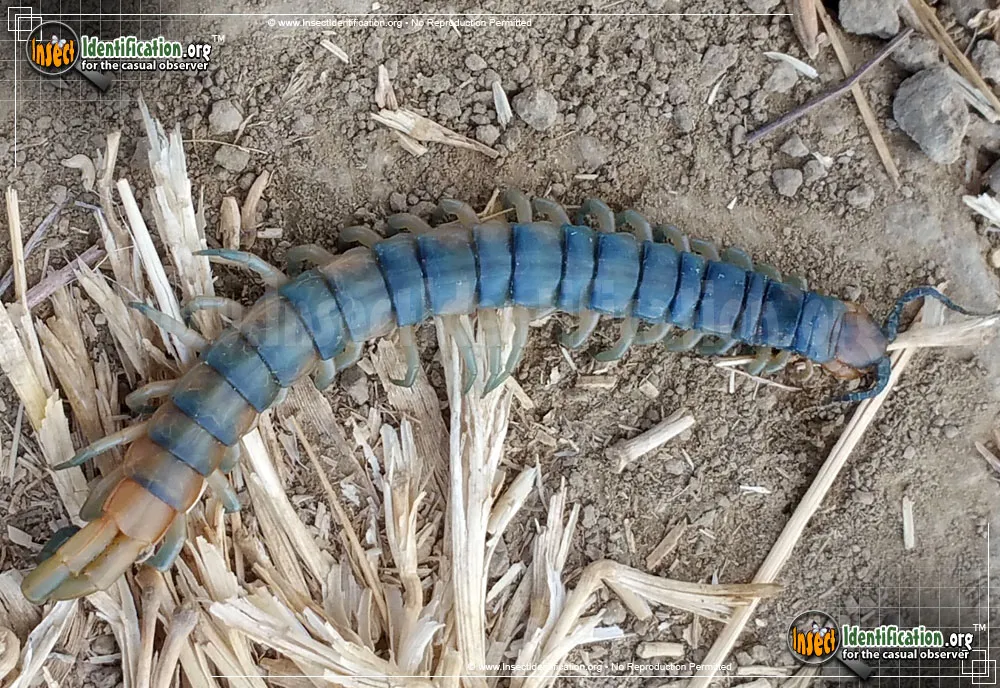
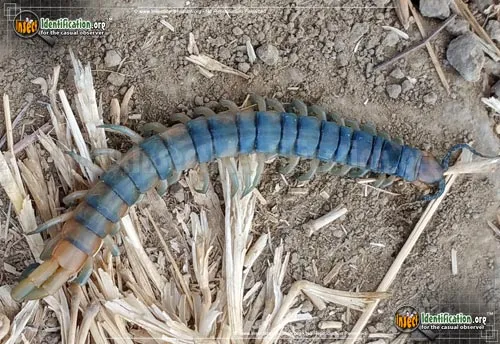
Scolopendrid Centipede
Hemiscolopendra marginata
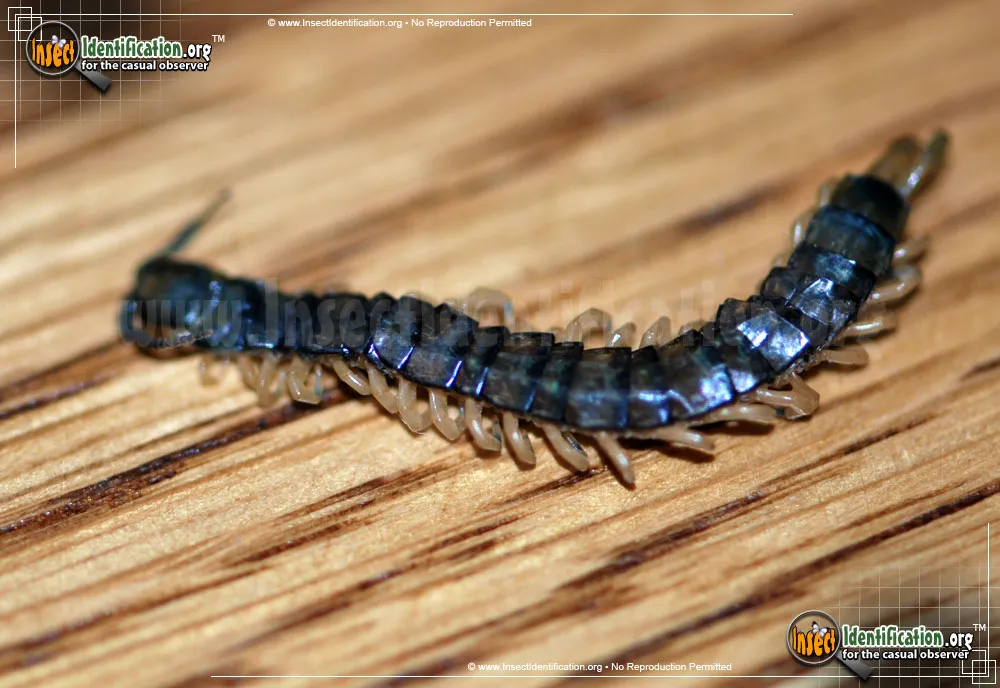
This record describes Hemiscolopendra marginata (species). Recorded family: Scolopendridae. Recorded order: Scolopendromorpha.
Identification and Appearance
| Other recorded terms |
|
|---|
Terms from the source record, grouped for readability. Broad terms such as size or location are not measurements or a confirmed range.
Classification
- Kingdom
- Animalia
- Phylum
- Arthropoda
- Class
- Chilopoda
- Order
- Scolopendromorpha (Bark Centipedes)
- Family
- Scolopendridae
- Genus
- Hemiscolopendra
Imported taxonomy record. Source availability varies; see the source references and editorial policy below.
About Bark Centipedes: the wider group
Order-level background for Scolopendromorpha, the group containing Hemiscolopendra marginata. Species-specific details appear above.
Group overview
Scolopendromorpha includes ~700 described species of tropical centipedes. The giant Amazonian centipede (Scolopendra gigantea) can reach 30cm (12 inches) and is known to catch and eat bats from cave ceilings.
Ecological role of the group
Centipedes are important nocturnal predators in tropical and temperate forests, feeding on insects, spiders, and even small vertebrates. All centipedes are venomous - they inject venom through modified front legs called forcipules.
Economic and practical significance of the group
Centipede venom is being actively researched for pain-relieving compounds. A peptide from the Chinese red-headed centipede (Scolopendra subspinipes mutilans) has shown effectiveness as a painkiller comparable to morphine in laboratory studies.
Recorded sources for this group: Toxinology research, tropical ecology. Imported estimates may describe particular regions or reporting periods.