
Bark Centipedes
Order Scolopendromorpha
The Bark Centipedes (Order Scolopendromorpha) includes 18 species across 6 families and 6 genera in our directory.
About Bark Centipedes
Scolopendromorpha includes ~700 described species of tropical centipedes. The giant Amazonian centipede (Scolopendra gigantea) can reach 30cm (12 inches) and is known to catch and eat bats from cave ceilings.
Economic Impact
Centipede venom is being actively researched for pain-relieving compounds. A peptide from the Chinese red-headed centipede (Scolopendra subspinipes mutilans) has shown effectiveness as a painkiller comparable to morphine in laboratory studies.
Ecological Role
Centipedes are important nocturnal predators in tropical and temperate forests, feeding on insects, spiders, and even small vertebrates. All centipedes are venomous - they inject venom through modified front legs called forcipules.
Families in Scolopendromorpha (6)
Species in Scolopendromorpha (18)
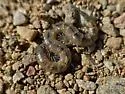
Arthrorhabdus pygmaeus
Arthrorhabdus pygmaeus
Identification: First intersegmental joint is abut to the first tergite
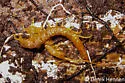
Theatops posticus
Theatops posticus
Identification: Cryptopidae: ocelli absent; 21 pairs of legs & pedal segments. Theatops : caudal legs enlarged, heavily sclerotized, forcipulate; ultimate segment longer than any of the others.
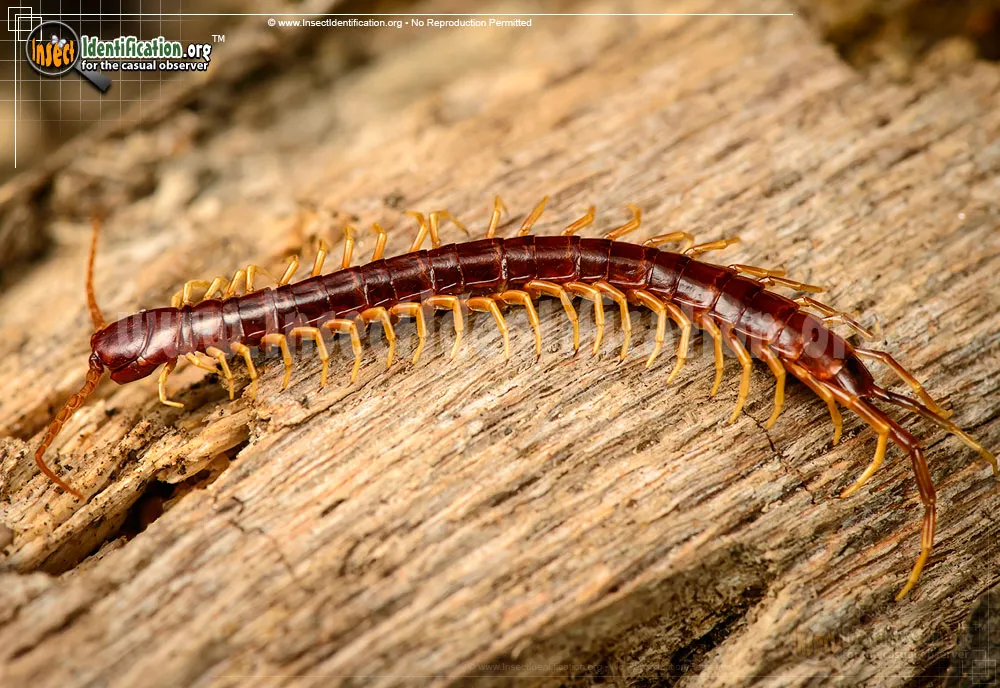
Bark Centidpede
Scolopocryptops sexspinosus
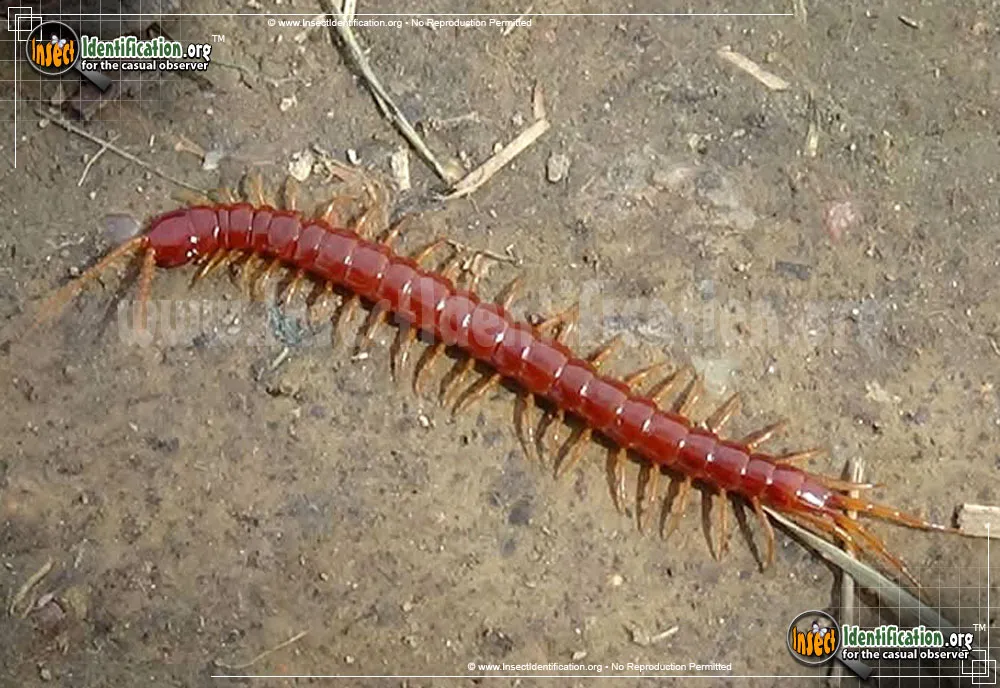
Bark Centipede
Scolopocryptops spinicaudus
Common Cryptops
Cryptops hortensis
Common Desert Centipede
Scolopendra polymorpha
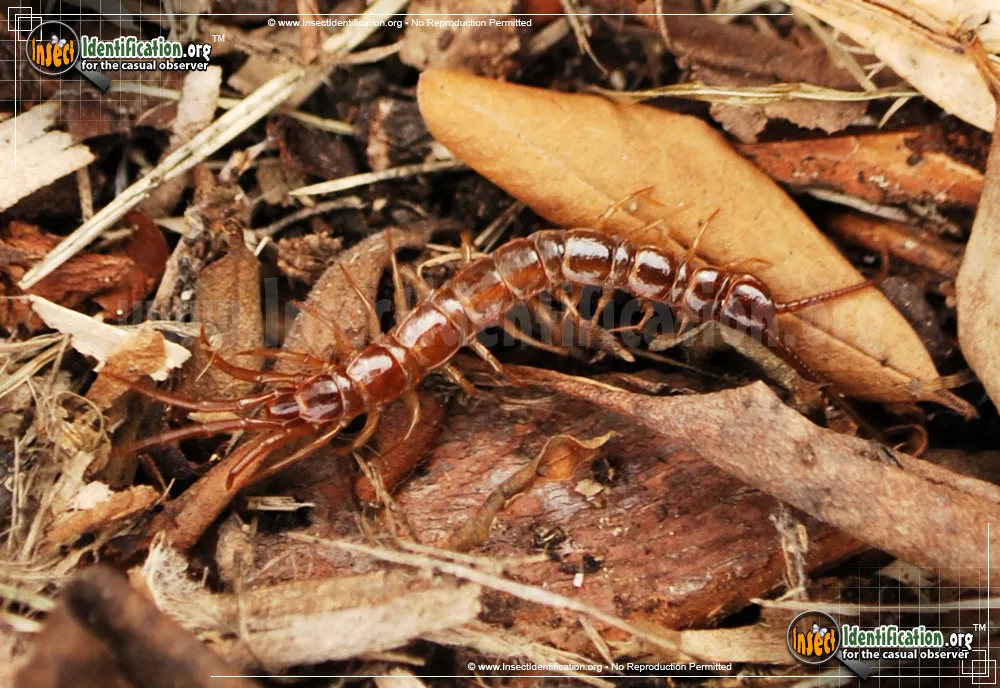
Cryptopid Centipede
Theatops californiensis
Cryptops floridanus
Cryptops floridanus
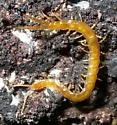
Cryptops leucopodus
Cryptops leucopodus
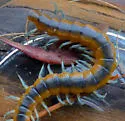
Florida Blue Centipede
Scolopendra viridis
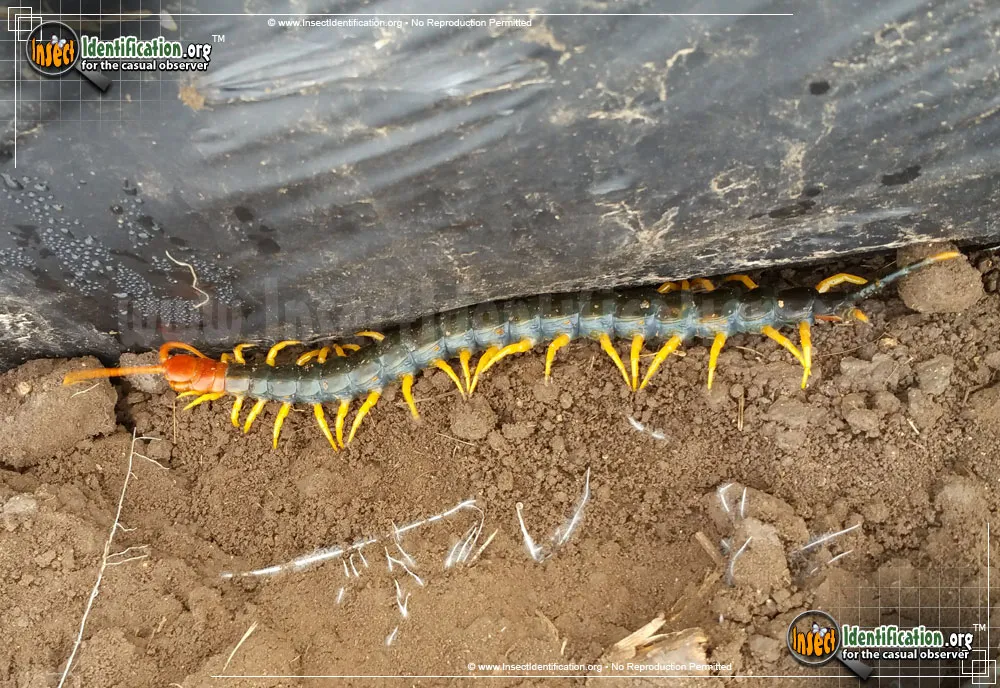
Giant Red-headed Centipede
Scolopendra heros
Scolopendra alternans
Scolopendra alternans
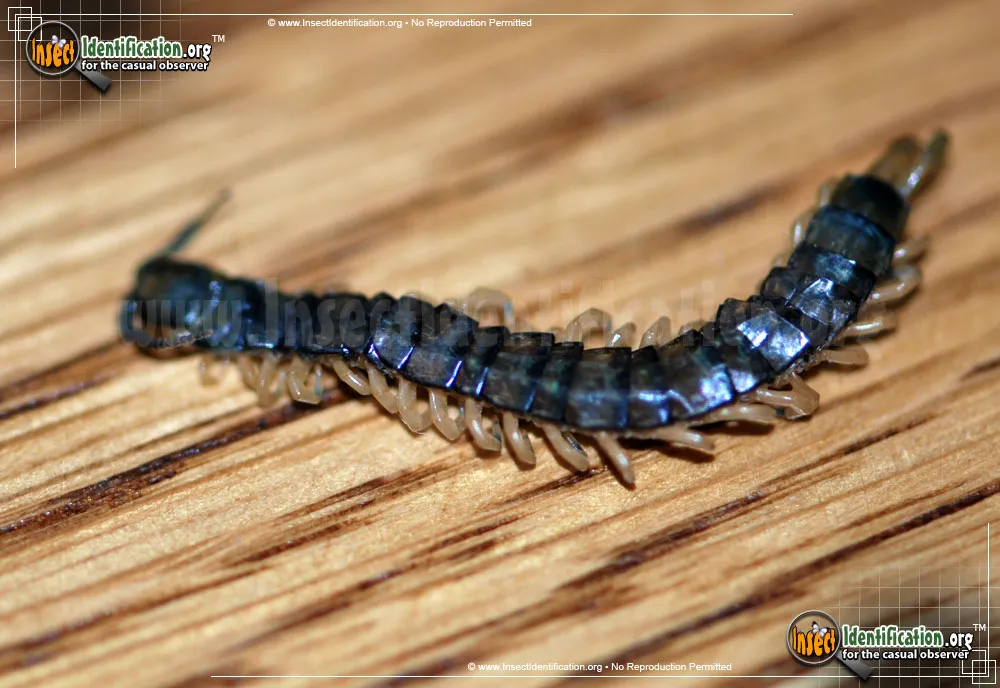
Scolopendrid Centipede
Hemiscolopendra marginata
Scolopocryptops gracilis
Scolopocryptops gracilis
Scolopocryptops nigridius
Scolopocryptops nigridius
Scolopocryptops peregrinator
Scolopocryptops peregrinator
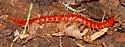
Scolopocryptops rubiginosus
Scolopocryptops rubiginosus
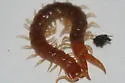
Theatops spinicaudus
Theatops spinicaudus