
Mesostigs
Order Mesostigmata
The Mesostigs (Order Mesostigmata) includes 12 species across 9 families and 40 genera in our directory.
About Mesostigs
Mesostigmata includes ~11,500 described species of predatory and parasitic mites. Many species are voracious predators of other mites, springtails, and small insects in soil and leaf litter.
Economic Impact
Predatory mesostigmatid mites are commercially produced for biological pest control. Phytoseiulus persimilis is one of the most widely sold biocontrol agents, used against spider mites in greenhouses worldwide - the market is worth hundreds of millions annually.
Ecological Role
Mesostigmatid mites are key regulators of soil arthropod communities. Some species are phoretic - they hitch rides on beetles and other insects to disperse to new habitats. Parasitic species include the varroa mite, the most devastating parasite of honey bees.
Families in Mesostigmata (9)
Species in Mesostigmata (12)
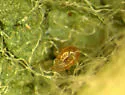
Amblyseius andersoni
Amblyseius andersoni
Identification: The long setae on the tip of the abdomen separate it from other phytoseiid predators in eastern apple orchards. An important predator of spider mites (Tetranychidae) and rust mites (Eriophyidae) on apple and grape along both coasts of
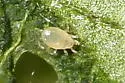
Amblyseius swirskii
Amblyseius swirskii
Introduced for biological control of greenhouse pests, especially thrips and greenhouse whitefly.

Tropical Rat Mite
Ornithonyssus bacoti
Can cause dermatitis in humans Possibly introduced from tropical areas
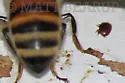
Varroa destructor
Varroa destructor
Identification: Adult females reddish-brown to dark brown, oval in shape. Adult males yellowish with lightly tanned legs, spherical body shape Introduced throughout the world (except Australia) from its native range in SE Asia (original host Apis cer
Western predatory mite
Typhlodromus occidentalis
Identification: Pear shaped. First they are white. Later they take the color of their prey, usually red or brown. Used as primary biocontrol agent of pest mites on many crops. Its benefit to commercial apple, plum, peach, and cherry orchard farming i
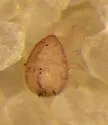
Cosmozercon setosus
Cosmozercon setosus
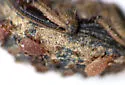
Macrocheles penicilliger
Macrocheles penicilliger
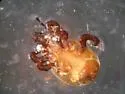
Megisthanus floridanus
Megisthanus floridanus
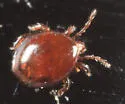
Neolobogynium americana
Neolobogynium americana
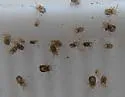
Northern Fowl Mite
Ornithonyssus sylviarum
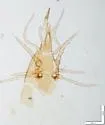
Parholaspella peltata
Parholaspella peltata
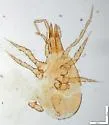
Veigaia nemorensis
Veigaia nemorensis